Notes / Singapore
Best Primary Schools in Singapore
Singapore's strongest international primary schools, ranked honestly. Tanglin and UWCSEA anchor the top; the IB PYP and ENC pathway choice is the real decision.
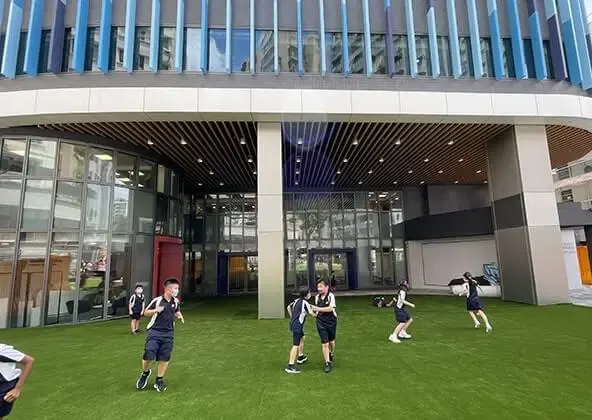
The brief
- The anchors: Tanglin Trust Infant and Junior School at Portsdown and UWCSEA Dover Primary plus UWCSEA East Primary. The two largest, oldest, and most over-subscribed international primary settings in the city.
- The IB PYP heavyweights: Stamford American Lower School at the Early Learning Village and Woodleigh, AIS Primary at Lorong Chuan, and Canadian International Lower School at Lakeside and Tanjong Katong.
- The ENC pathway depth: Dulwich Junior School, NLCS Singapore Prep, Dover Court Primary, SJI International Elementary and OWIS Primary. Same EYFS into KS1 and KS2 spine; very different scale and price.
- The American Elementary tier: SAS Elementary at Woodlands is the only large American primary in the city. ICS Elementary is the small faith-integrated alternative.
- The waitlist truth. Year 2 to Year 4 at Tanglin and UWCSEA are the hardest single year groups to enter in Singapore. Dulwich, AIS, Canadian and Dover Court clear faster, with broader-ability admissions at Dover Court the easiest door at this fee tier.
Singapore's international primary market splits cleanly down two pathway lines. EYFS into the English National Curriculum (KS1 and KS2), and IB Primary Years Programme age 3 to 12. A handful of schools run American Elementary; one or two run hybrid pathways. The choice at primary is mostly about which secondary route the family wants to walk into at Year 7 or Grade 6.
Top-of-market primary fees sit between SGD 25,000 and SGD 45,000. Tanglin Trust's Infant and Junior School lists Year 6 at around SGD 38,000; UWCSEA Dover Primary at around SGD 35,000; Dulwich Junior School at around SGD 36,000; NLCS Singapore Prep at around SGD 42,000; SAS Elementary at around SGD 36,000. The gap from top to mid-tier (OWIS at SGD 24,000 to 27,000, AIS at the wide Australian-calendar band) is real but narrower than parents arriving from London, Hong Kong, or Dubai expect.
The MOE context still shapes the market. Every private school is CPE-registered with SkillsFuture Singapore, and credible operators hold EduTrust certification. The regulatory floor is higher than in most regional capitals; thin or marketing-led primary operations do not survive in Singapore the way they do in some Gulf cities.
The top tier
Tanglin Trust Infant and Junior School
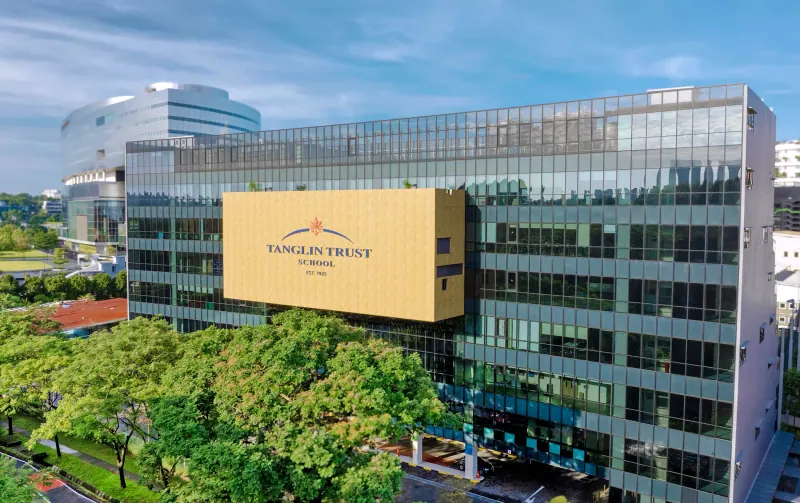
Portsdown Road. Ages 3 to 11 in primary (full school 3 to 18). Founded 1925. BSO-inspected 2022 and 2025, HMC member, FOBISIA since 1988. Around 2,900 pupils across all stages; the Infant School (Nursery to Year 2) and Junior School (Year 3 to Year 6) together form the largest single British-pathway primary in Singapore.
The Infant and Junior School runs EYFS into the English National Curriculum with UK-trained class teachers, dedicated specialist staff for music, art, PE and Mandarin from the early years, and the deepest enrichment spine in the city at primary scale: house competitions, peripatetic music, year-group musicals, FOBISIA fixtures from Year 4. Reception (age 4) is the entry point where the queue is longest and admissions are assessed, not first-come-first-served.
Year 2 to Year 4 are the hardest year groups to enter once Reception has filled. Mid-year transfers depend on cohort attrition; in some years there is no movement at all.
UWCSEA Dover Primary and East Primary
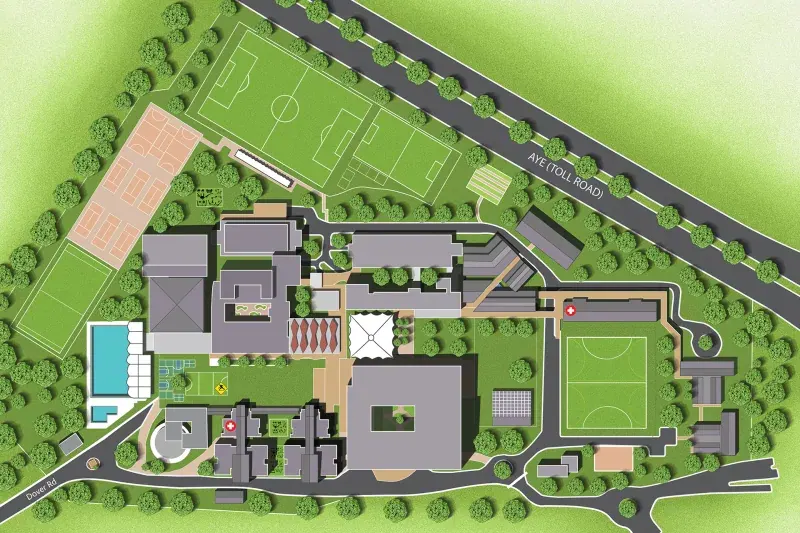
Dover Road (Dover Campus) and Tampines (East Campus). Ages 4 to 11 in primary. Dover founded 1971, East 2008. CIS and WASC accredited. Around 3,000 pupils per campus.
UWCSEA Primary is the largest IB-pathway primary in Singapore and one of the longest-running PYP implementations anywhere. Both campuses run as one school across two sites with an identical academic offer: IB Primary Years Programme from K1 (age 4) through G5 (age 10), into Middle School at G6. Inquiry-led, transdisciplinary units; UWC's CAS-and-service ethos starts visibly in primary, not at sixth form.
Entry is from K1 (age 4) and G1 (age 6), with G2 to G5 dependent on cohort attrition. Admissions are holistic: sibling priority, mission alignment, deliberately diverse cohorts. Dover waitlists are among the longest in the city. East clears faster at most year groups and is the natural pick for families east of the centre.
Dulwich College Singapore Junior School
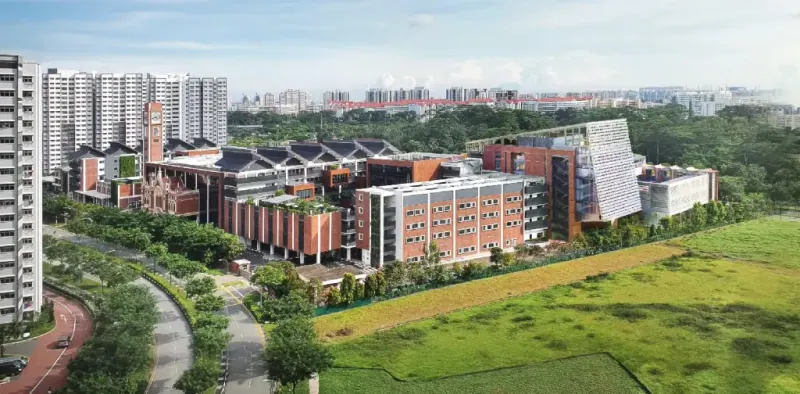
Bukit Batok West Avenue. Ages 2 to 11 in DUCKS and Junior School (full school 2 to 18). Founded 2014. CIS, WASC, BSO, COBIS fully accredited. Around 2,700 pupils.
Dulwich Junior School runs EYFS into the English National Curriculum in a separate building from the senior school, with a dedicated junior leadership team. The accreditation stack is the strongest in the city: CIS, WASC, BSO, and COBIS, plus recurring ISI inspection by the same body that inspects independent schools in England. Year 2 to Year 6 specialist provision in music, drama, PE, Mandarin, and a junior makerspace runs at a scale most British primaries cannot match.
Dulwich has more capacity than Tanglin (around 2,700 versus 2,900, but Tanglin is older with deeper waiting lists), and Year 1 to Year 4 are typically more accessible. The Bukit Batok commute from Holland Village, the CBD or the East Coast is real even though the AYE moves freely outside rush hours.
Singapore American School Elementary
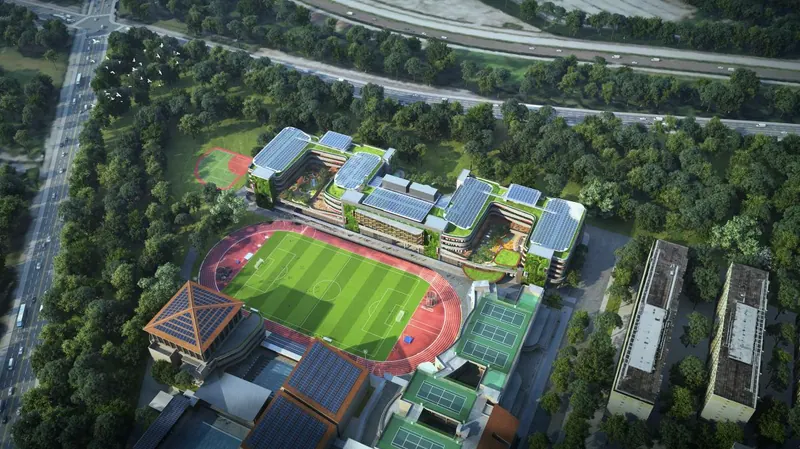
Woodlands Drive. Ages 2 to 11 in Preschool and Elementary (full school 2 to 18). Founded 1956. WASC-accredited on a 6-year term. Around 4,100 pupils across the whole school; Elementary alone is one of the largest American primary cohorts in Asia.
SAS Elementary is the American benchmark at primary scale: US K-5 grade structure, Pre-K and Kindergarten at age 4 and 5, US-trained leadership, and elementary-school resourcing built for a 4,000-pupil district campus. Specialist provision in art, music, PE, library and a research-and-innovation strand from the early grades; Mandarin and Spanish from G1.
SAS is not an IB school at any age. Elementary feeds Middle School and a US high school diploma with AP at sixth form. Woodlands sits in the far north near the Causeway; many families relocate to the Woodlands corridor for SAS proximity or commit to the school bus from Bukit Timah and the East Coast.
Stamford American Lower School
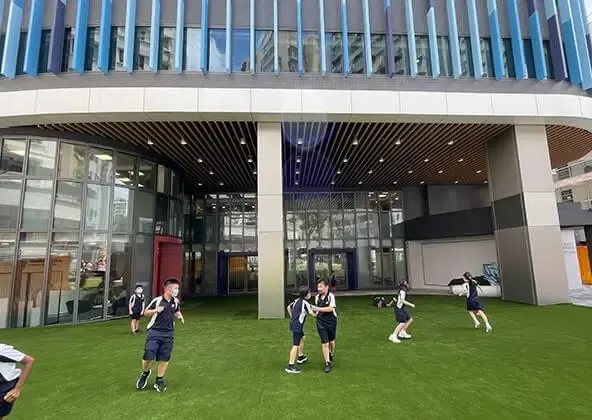
Woodleigh Lane (main) and Chuan Lane (Early Learning Village). Ages 1 to 11 in Pre-Nursery, EY and Lower School (full school 1 to 18). Founded 2009. WASC full accreditation; CIS re-accredited 2021. Around 3,000 pupils.
Stamford is the IB Primary Years Programme inside an American operating culture: PYP from age 3 with bilingual Mandarin and Spanish tracks at primary, then MYP and a Diploma-and-AP sixth form. The Early Learning Village at Chuan Lane is the largest dedicated early years building in Asia (shared with AIS), with infant care from 2 months and a separate purpose-built building for Pre-Nursery to KG2.
For an American family who wants the IB Primary Years Programme rather than US K-5, Stamford is the closest match in the city. Bilingual tracks at primary are a genuine differentiator; few PYP schools deliver bilingual Mandarin or Spanish at this scale.
Strong mid-tier
Below the top five, Singapore's primary market widens out. The schools below are credible primary-pathway operators at a lower price point, with a different operating culture, or at smaller scale.
Australian International School Primary
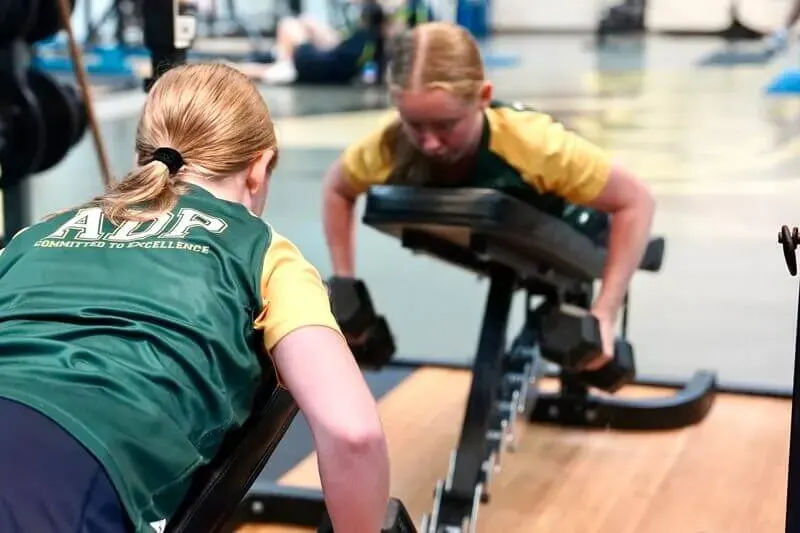
Lorong Chuan. Ages 1 to 11 in Pre-School and Primary. Founded 1993. WASC, CIS, NSW Board of Studies registered. Around 2,700 pupils. AIS runs the Australian Early Years Learning Framework in preschool into IB PYP at primary, and the school year runs January to December on the southern hemisphere calendar. Useful for arrivals from Sydney, Melbourne or Perth mid-northern-hemisphere year; harder for families syncing with a UK or US start.
Canadian International School Lower School
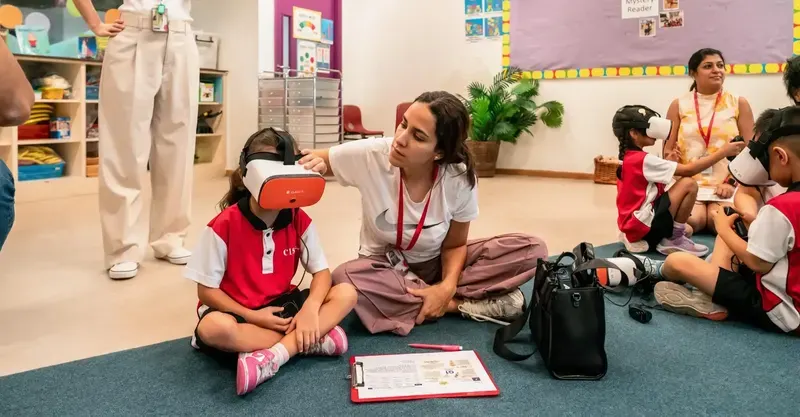
Jurong (Lakeside) and Tanjong Katong. Ages 2 to 11 in Lower School. Founded 1990. WASC and Cognia accredited. Around 2,100 pupils across both campuses. Full IB PYP with a bilingual Chinese-English programme alongside the standard English-medium track from K1, plus a French bilingual track at Tanjong Katong. The most established bilingual primary in the IB stream.
Dover Court Primary
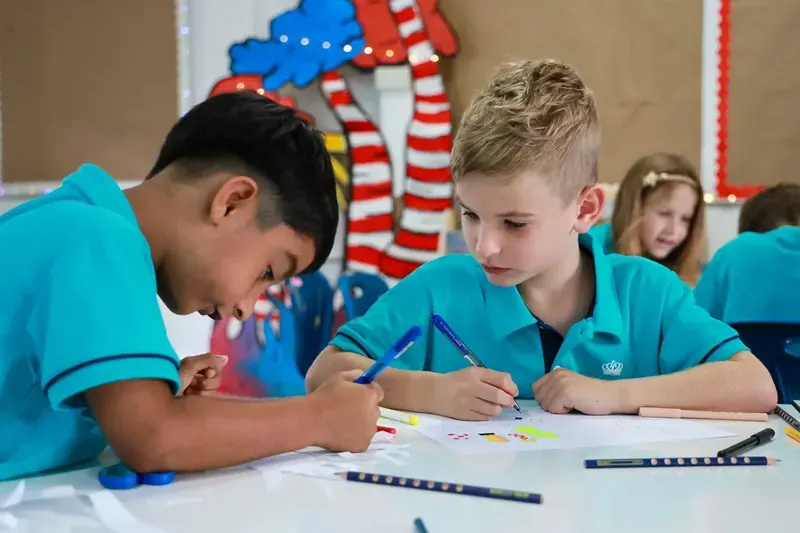
Dover Road. Ages 3 to 11 in Primary (full school 3 to 18). CIS re-accredited 2025, WASC. Around 1,900 pupils. The Nord Anglia primary in Singapore: EYFS into the English National Curriculum, with a broad-ability admissions model and a strong learning-support team. Dover Court is the easier door into the top-tier fee bracket: comparable specialist provision to Tanglin or Dulwich Junior at a slightly lower published cost, and entry that is not gated by the same Reception assessment process.
NLCS Singapore Pre-Prep and Prep
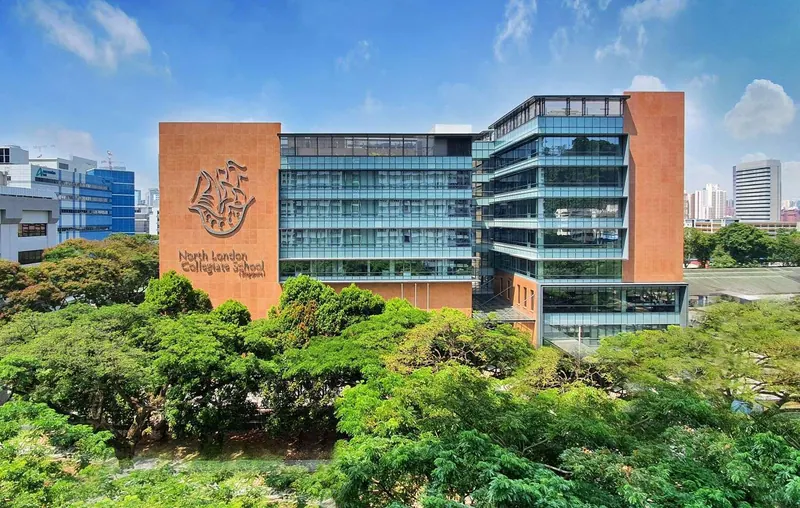
Depot Road. Ages 3 to 11 in Pre-Prep (Nursery to Year 2) and Prep (Year 3 to Year 6). Founded 2020. CIS accredited, COBIS accredited member, FOBISIA since 2022. Around 1,400 pupils across all stages. EYFS into the English National Curriculum with a STEAM emphasis the brand pushes across its international campuses; selective at entry. Pre-Prep and the lower Prep years are among the harder entries in the school; upper Prep and Year 7 onwards are more accessible while NLCS continues to build enrolment.
SJI International Elementary

Bukit Timah. Ages 6 to 11 in Elementary (Grade 1 to Grade 6); full school 7 to 18 with Year 7 entry. Founded 2007. CIS and WASC accredited. Around 2,400 pupils. SJI International runs the IB Primary Years Programme at Elementary into MYP and Diploma at senior. Lasallian Catholic heritage. The most distinctive values-led IB primary in the city, with strong sport and service from the early grades. Fees sit a tier below UWCSEA and Stamford.
One World International School Primary
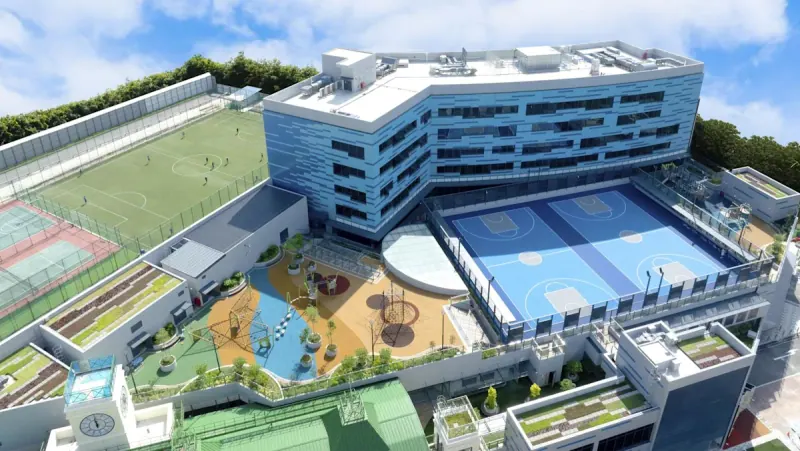
Mountbatten and Suntec. Ages 3 to 11 in Primary (full school 3 to 18). CIS accredited. Around 2,000 pupils across campuses. IB PYP at primary with a Cambridge IGCSE pathway from secondary onwards. Mid-fee at SGD 24,000 to SGD 27,000 in primary, a meaningful step below the top tier without dropping out of credible accreditation. Suntec's location near the CBD is a logistical advantage few primaries can match.
Chatsworth International School Primary

Orchard. Ages 3 to 11 in Primary. Founded 1995. WASC since 2004. Around 800 pupils across all stages. Full IB PYP primary in a single central location. Smaller than the top tier, with a community feel that suits families wanting a less corporate primary; the Orchard location is a commute advantage for CBD-based families.
ISS International Primary
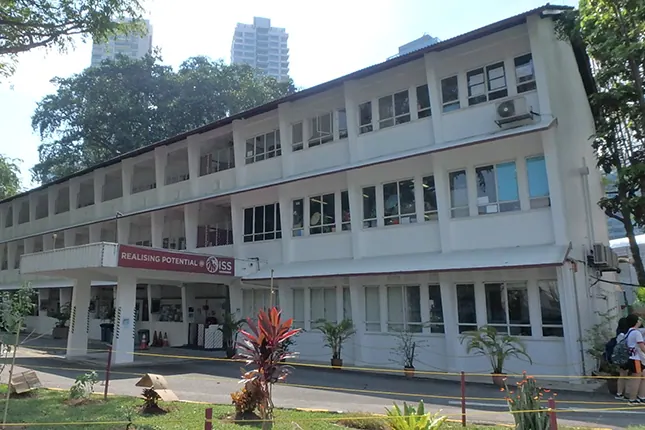
Preston Road (Bukit Merah). Ages 4 to 11 in Primary. Founded 1981, the oldest IB school in Singapore. WASC since 1986, CIS re-accredited 2022. Around 450 pupils across all stages. Full IB PYP at small scale. The smallest of the credible IB primary options; fewer subject specialists and a thinner co-curricular spine, with class sizes that consistently sit below 20.
Overseas Family School Primary
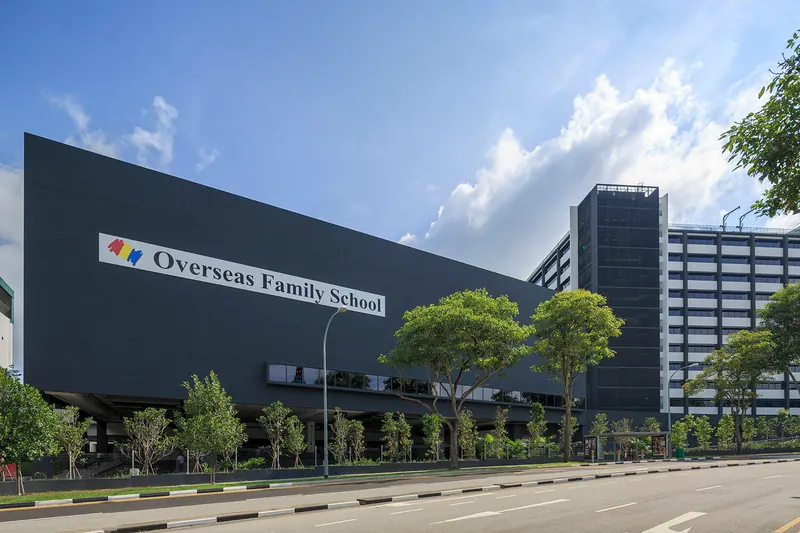
Pasir Ris. Ages 2 to 11 in Primary. Founded 1991. WASC accredited. Around 2,500 pupils across all stages. IPC and Cambridge primary at the lower end, with IB MYP and Diploma upstream; long-established expat-family base in the east. The pathway is hybrid rather than pure ENC or pure PYP, useful for families uncertain about the secondary route or transferring from a Cambridge primary elsewhere in Asia.
Brighton College Singapore Pre-Prep and Prep
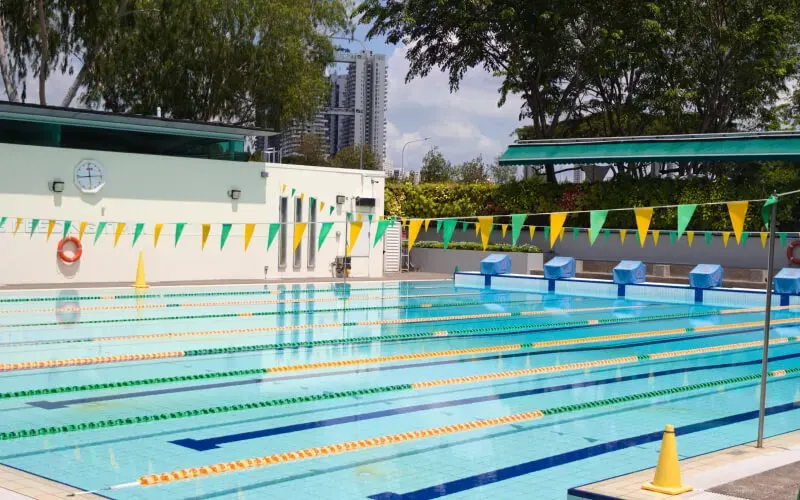
Lorong Chuan. Ages 2 to 11 in Pre-Prep and Prep (full school 2 to 16). Founded 2020. Around 750 pupils across all stages. EYFS into the English National Curriculum with a deliberate pre-prep and prep identity the parent school in Sussex is known for. Brighton runs only to Year 11 at present (no sixth form yet); for primary, that is not yet a constraint, but families committing now should map the senior-school transition.
Best for British (ENC) primary
For families committed to the English National Curriculum spine into IGCSE and either A-Level or IB Diploma at sixth form, the short list is straightforward.
- Tanglin Trust Infant and Junior School. EYFS through Year 6 at Portsdown. The default for a full Tanglin pathway from age 3.
- Dulwich College Junior School. EYFS through Year 6 at Bukit Batok. The Dulwich global-brand operation in primary form.
- NLCS Singapore Pre-Prep and Prep. Nursery through Year 6 at Depot Road. STEAM-led, selective at entry.
- Brighton College Singapore Pre-Prep and Prep. Pre-Nursery through Year 6 at Lorong Chuan. The strongest pre-prep identity in the city.
- Dover Court Primary. EYFS through Year 6 at Dover. Broader-ability admissions, Nord Anglia delivery.
EYFS delivery, KS1 and KS2 progression, UK-trained class teachers, and a Year 6 to Year 7 transition into an established secondary phase are the markers. Dulwich and Tanglin are the most complete year-3-to-year-13 primary-to-senior pipelines. NLCS is building the upper years now. Brighton is rolling out a sixth form. Dover Court is full through age 18 with a Nord Anglia operational base.
Best for IB PYP
For families committed to the IB pathway through MYP and Diploma at sixth form, the choice is wider and the implementation difference matters more.
- UWCSEA Dover and East. K1 through G5 at both campuses. The benchmark PYP implementation in Singapore.
- Stamford American Lower School. PYP from age 3 with bilingual Mandarin and Spanish tracks.
- AIS Primary. EYLF into PYP at primary, Australian calendar year.
- Canadian International Lower School. PYP with bilingual Chinese-English and French tracks.
- SJI International Elementary. PYP at Bukit Timah, Lasallian Catholic, strong sport and service.
- GESS. Full IB continuum at Bukit Panjang with a German-stream option alongside the international stream.
- XCL World Academy Primary. PYP from age 2 at Yishun, IB through Diploma with AP at sixth form.
- OFS Primary. IPC and Cambridge primary into IB MYP and Diploma, Pasir Ris.
- Chatsworth International Primary. PYP in Orchard.
- ISS International Primary. PYP at small scale, the oldest IB school in Singapore.
The PYP framework is the same across all of these; the daily experience is not. The differentiator is the team, the adult-to-child ratio in K1 and G1, outdoor and atelier provision, language depth, and how seriously the school takes the PYP Exhibition at the end of primary.
Best for American Elementary
The American Elementary field is thin in Singapore. Two schools matter at scale.
- SAS Elementary. US K-5 at Woodlands. The largest, most resourced American Elementary in the city; Pre-K and Kindergarten in the early childhood centre, then G1 to G5.
- Stamford American Lower School. PYP inside an American operating culture, Pre-Nursery to G5. For families wanting the IB Primary Years Programme with American leadership and college counselling downstream.
- ICS Elementary. Small Christian elementary in central Singapore, around 350 pupils across all stages, US Common Core-aligned with a faith-integrated curriculum.
A US K-5 grade structure with a US transcript downstream is SAS or ICS. The IB PYP in American operating culture is Stamford.
At a glance
| School | Curriculum | Ages (primary) | Fees range (SGD) | Notes |
|---|---|---|---|---|
| Tanglin Trust Infant and Junior | British | 3 to 11 | 25,948–38,000 | Portsdown; HMC, BSO |
| UWCSEA Dover Primary | IB PYP | 4 to 11 | 29,156–35,000 | Dover; benchmark PYP |
| UWCSEA East Primary | IB PYP | 4 to 11 | 31,701–37,000 | Tampines; identical offer |
| Dulwich Junior School | British | 2 to 11 | 20,270–36,000 | Bukit Batok; CIS/WASC/BSO/COBIS |
| Singapore American School Elementary | American | 2 to 11 | 31,000–36,000 | Woodlands; the largest US elementary |
| Stamford American Lower School | IB PYP | 1 to 11 | 47,390–52,000 | Woodleigh; bilingual PYP |
| AIS Primary | IB PYP | 1 to 11 | 3,330–35,000 | Lorong Chuan; Jan–Dec calendar |
| Canadian International Lower School | IB PYP | 2 to 11 | 20,010–37,000 | Lakeside, Katong; bilingual tracks |
| NLCS Singapore Pre-Prep and Prep | British | 3 to 11 | 37,563–42,000 | Depot Road; STEAM-led |
| Dover Court Primary | British | 3 to 11 | 2,622–38,000 | Dover; broad-ability admissions |
| Brighton College Pre-Prep and Prep | British | 2 to 11 | 27,282–38,000 | Lorong Chuan; UK-brand overseas |
| SJI International Elementary | IB PYP | 6 to 11 | 25,000–32,000 | Bukit Timah; Lasallian Catholic |
| GESS | IB PYP | 2 to 11 | 28,855–36,000 | Bukit Panjang; German + international |
| XCL World Academy Primary | IB PYP | 2 to 11 | 21,642–32,000 | Yishun; full IB continuum |
| OFS Primary | IB, British | 2 to 11 | 17,200–28,000 | Pasir Ris; IPC + Cambridge primary |
| Chatsworth International Primary | IB PYP | 3 to 11 | 30,250–36,000 | Orchard; mid-size PYP |
| ISS International Primary | IB PYP | 4 to 11 | 27,748–36,000 | Bukit Merah; oldest IB school |
| OWIS Primary | IB PYP | 3 to 11 | 23,707–27,255 | Mountbatten, Suntec; mid-fee |
| ICS Elementary | American | 4 to 11 | 29,807–35,000 | Central; small Christian school |
Fees are 2025–2026 published year-group bands in SGD. Year 5 and Year 6 figures used where the school publishes a single primary-band figure. Verify current figures with each school.
The age labels and frameworks
Singapore uses several overlapping age labels in primary; the framework determines the vocabulary.
EYFS covers Nursery and Reception, ages 3 to 5, at British-pathway schools. The framework runs the seven areas of learning (three prime, four specific) with Early Learning Goals at the end of Reception. Tanglin, Dulwich, NLCS, Brighton, Dover Court, OFS and Holland International all deliver EYFS.
Key Stage 1 (ages 5 to 7, Year 1 and Year 2) and Key Stage 2 (ages 7 to 11, Year 3 to Year 6) are the English National Curriculum proper. Core subjects (English, maths, science) run throughout; foundation subjects (history, geography, art, music, PE, design and technology) phase in across the key stages. Many international schools teach a modified ENC that imports IPC topics or adds Mandarin and second-language exposure that maintained schools in England would not.
The IB Primary Years Programme runs age 3 to 12, the upper end overlapping the start of MYP at age 11. PYP is inquiry-led, organised around six transdisciplinary themes rather than discrete subjects, with literacy and numeracy taught within the inquiry framework. No external IB exams in primary; assessment is portfolio-based and culminates in the PYP Exhibition in G5. UWCSEA, Stamford, AIS, Canadian, GESS, SJI International, XCL, OFS upstream, Chatsworth and ISS deliver PYP.
American Elementary covers Pre-K (age 4), Kindergarten (age 5), then G1 to G5 (ages 6 to 10). The structure is US K-5 with a US transcript downstream; SAS Elementary is the clearest example. ICS is the smaller alternative.
Local-stream MOE primary is a parallel world. English-Mandarin bilingual from the start, the Singapore Nurturing Early Learners framework into Primary 1, fees a fraction of international tuition, accessible to foreign-passport children but designed around the local primary system into PSLE and the streamed secondary entry. Few expat families take this route past P1 or P2; those who do typically transfer into the international stream by middle school.
How to choose between them
The primary decision in Singapore is functionally a K-12 pathway decision. Families who enrol at Reception, K1 or G1 typically stay through Year 6 or G5, and the secondary choice is often the same school. A change at age 11 means a fresh application, possible waitlist, and a peer-group transition no one in the family asked for.
EYFS-ENC or IB PYP? EYFS into KS1 and KS2 (Tanglin, Dulwich, NLCS, Brighton, Dover Court) feeds IGCSE at 16 and A-Level or IB Diploma at 18. PYP (UWCSEA, Stamford, AIS, Canadian, SJI International, GESS, XCL, OFS, Chatsworth, ISS, OWIS) feeds IB MYP and the IB Diploma. American Elementary (SAS, ICS) feeds a US high school diploma with AP. Both ENC and PYP are play-based and child-centred in the early years; the daily experience for a 5-year-old is more similar than the framework names suggest. The downstream pathway is the bigger choice.
How early, how flexibly? Stamford takes infants from 2 months. Dulwich, SAS, Canadian, GESS, XCL, OFS from age 2. Tanglin, NLCS, Dover Court, Brighton, Chatsworth from age 3. UWCSEA from age 4. SJI International from G1 (age 6). Earlier entry is often the easier door into a school whose later year groups are closed.
Where do you live? Tanglin is Portsdown, ten minutes from Holland Village. UWCSEA Dover is the southwest; UWCSEA East and OFS are Tampines and Pasir Ris. SAS is Woodlands in the far north. Dulwich is Bukit Batok in the west. NLCS is Depot Road. Stamford is Woodleigh; AIS, Brighton and the Early Learning Village are Lorong Chuan. A 70-minute bus journey at age 4 is a different thing from the same journey at age 13; by Year 6 the school transition window is closed, so the commute is the commute.
Scale and pastoral feel. SAS Elementary at 4,000-pupil-school scale runs more like a US suburban district. UWCSEA Primary at around 1,500 per campus is large by international standards but feels coherent. Dulwich Junior School operates as a separate school inside the wider campus complex. Smaller primaries (ISS, Chatsworth, Brighton at present) trade subject specialists and co-curricular breadth for class sizes that consistently sit below 20.
Waitlists. Year 2 to Year 4 at Tanglin and UWCSEA Dover are the hardest single year groups in Singapore. Dulwich, Canadian, GESS, AIS, Dover Court, OFS and the newer arrivals (Brighton, NLCS, XCL) clear faster. Reception or K1 entry at age 4 is the easiest way into the top-tier schools; G1 and Year 2 are the next-easiest. Mid-primary entry depends on attrition.
Related reading
- Best international schools in Singapore
- Best British schools in Singapore
- Best IB schools in Singapore
- Best American schools in Singapore
- Best early years schools in Singapore
- English National Curriculum and Key Stages
FAQs
Which is the best primary school in Singapore?
For the English National Curriculum pathway, Tanglin Trust Infant and Junior School is the incumbent: founded 1925, oldest in Southeast Asia, the deepest co-curricular spine in primary, and the only Singapore primary where the wider school's head sits in HMC. Dulwich Junior School is the strongest alternative with the fullest accreditation stack (CIS, WASC, BSO, COBIS). For the IB Primary Years Programme, UWCSEA Dover Primary and East Primary are the benchmark. For American Elementary at scale, SAS Elementary is the only realistic answer.
How much does primary school cost in Singapore?
Top-of-market primary fees sit between SGD 25,000 and SGD 45,000: Tanglin Junior around SGD 38,000 in Year 6, UWCSEA Dover Primary around SGD 35,000 in G5, Dulwich Junior around SGD 36,000, NLCS Prep around SGD 42,000, SAS Elementary around SGD 36,000, Stamford Lower School at the top of the band closer to SGD 52,000. Mid-tier (OWIS, Chatsworth, ISS) sit between SGD 24,000 and SGD 32,000. Capital, registration and application fees apply on top in year one at most schools.
Is EYFS or PYP better at primary?
Neither is structurally better. Both are play-based at age 3 to 5 and child-centred through ages 5 to 11. EYFS into KS1 and KS2 progresses through year-by-year subject expectations and feeds IGCSE at 16. PYP is inquiry-led, organised around transdisciplinary themes, and feeds IB MYP and the IB Diploma. The daily experience of a 6-year-old is more similar than the framework names suggest; the downstream pathway is the larger decision.
Can my child get into a Singapore local primary school?
Foreign-passport children can apply to MOE primary through the Primary 1 Registration Phase 3 (after citizens and PRs); admissions are gated by demand at each school. Mandatory Mother Tongue (Mandarin, Malay, or Tamil) starts at P1, the PSLE comes at the end of P6, and the school experience is built around the Singapore local system rather than expat continuity. Few expat families take this route past P1 or P2.
How long are primary waitlists at the top schools?
Tanglin and UWCSEA Dover carry the longest queues at popular primary year groups. Reception (Tanglin) and K1 (UWCSEA Dover) are typically the easiest way in if applied for 12 to 18 months ahead; Year 2 to Year 4 at Tanglin and G2 to G5 at UWCSEA Dover can be effectively closed in some years. Dulwich, Dover Court, AIS, Canadian, NLCS, Brighton and the IB mid-tier clear faster.
Which primary schools take children mid-year?
AIS runs the Australian calendar year (January to December), making January a natural start for mid-year arrivals from the northern hemisphere. Most other primaries follow August to June with limited mid-year entry depending on cohort size and attrition. Class caps typically sit at 20 to 22 in EYFS and KS1, and 22 to 24 in KS2 or upper PYP.
Sources. School admissions pages and fee schedules: Tanglin Trust, UWCSEA Dover and East, Dulwich College Singapore, Singapore American School, Stamford American, AIS, Canadian International, NLCS Singapore, Dover Court, Brighton College Singapore, SJI International, GESS, XCL World Academy, OFS, Chatsworth, ISS, OWIS, ICS. UK Department for Education EYFS statutory framework and National Curriculum Key Stage documents. IB Organization PYP curriculum framework. WASC, CIS, COBIS, BSO accreditation registers. Singapore Council for Private Education / SkillsFuture Singapore CPE registration and EduTrust certification records. Singapore Ministry of Education Primary 1 Registration framework.