Notes / Sao Paulo
Best International Schools in São Paulo: The 2026 Guide for Families
São Paulo has one of the most developed international school markets in Latin America. The schools are genuinely good, the city is liveable once you find your neighbourhood, and fees are lower in real terms than many comparable postings elsewhere.
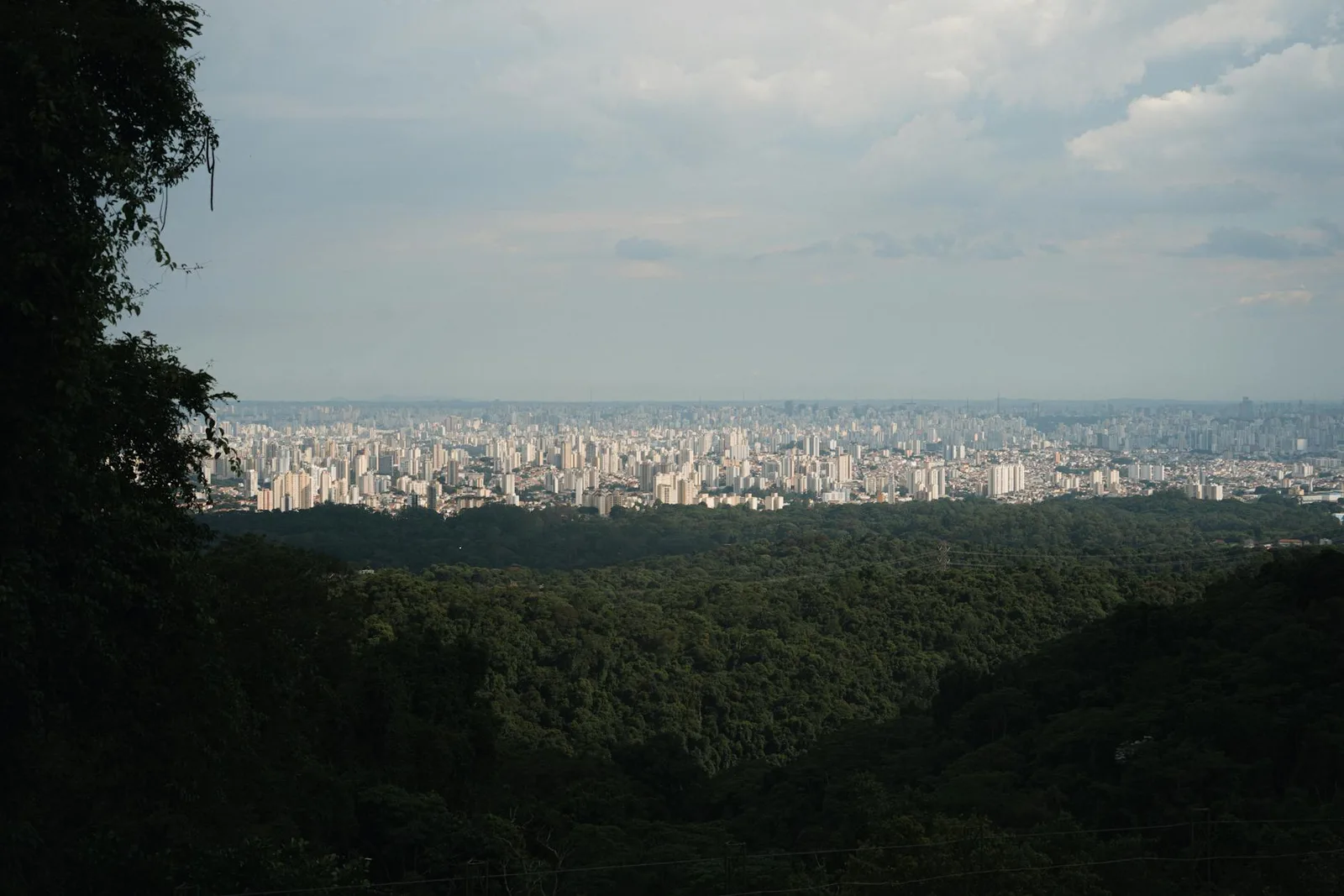
Comparison table
| School | Curriculum | Ages | Fees range (USD) | Notes |
|---|---|---|---|---|
| Graded - The American School of Sao Paulo | IB, American | 3-18 | 30,763–38,174 | Morumbi |
| St. Paul's School | IB, British | 3-18 | 20,918–26,429 | Jardins |
| St Nicholas School | IB, Cambridge | 1.5-18 | 18,900–31,825 | Pinheiros |
| The British College of Brazil | IB, British, Cambridge | 2-18 | 18,400–27,600 | Chacara Flora & Cidade Jardim |
| Avenues Sao Paulo | American, Brazilian | 1.5-18 | 24,960–42,637 | Jardim Panorama |
| Chapel School | IB, American | 3-18 | 13,572–28,010 | Chacara Flora |
| St. Francis College | IB, Cambridge, AP | 3-18 | 23,040–28,800 | Pinheiros |
| Beacon School | IB, Brazilian | 2-18 | 17,000–30,600 | Alto de Pinheiros |
| Pan American Christian Academy | American, Brazilian | 3-18 | 15,593–20,240 | Jardim Textil |
| Colegio Visconde de Porto Seguro | IB, Cambridge, German | 3-18 | 14,078–22,800 | Morumbi |
| Colegio Humboldt - Deutsche Schule Sao Paulo | German, Brazilian | 2-18 | 8,760 | Interlagos |
Fees converted to USD at indicative 2026 rates. Verify current figures with each school.
TL;DR
- The IB is the dominant framework at the top English-medium schools, though credible American-curriculum and British-curriculum options exist alongside it.
- Most internationally recognised schools cluster in the south-west of the city: Morumbi, Chácara Flora, Jardins, and Pinheiros.
- Annual fees at the leading schools run from roughly BRL 94,000 to BRL 200,000 (approximately USD 19,000 to USD 40,000), with some schools billing monthly.
- Entry to the most sought-after schools is competitive, particularly at early years and at the IB Diploma entry point. Worth contacting schools well before you arrive.
The city
São Paulo is South America's largest city, with around 12 million people in the municipality and over 20 million in the wider metropolitan area. That scale shapes everything: traffic is heavy, distances are real, and your neighbourhood choice matters more than in most postings. The city does not have a single international district. Families spread across a band running south-west from the centre, broadly from Jardins through Pinheiros and Alto de Pinheiros down to Morumbi and Chácara Flora.
The climate is mild year-round by South American standards. It rains a lot (the rainy season runs October to March) but temperatures rarely drop below 10°C or climb much above 35°C. It is not a hardship posting in terms of comfort. The medical infrastructure is excellent: private hospitals including Hospital Albert Einstein in Morumbi and Hospital Sírio-Libanês in Bela Vista are genuinely good by any standard.
Portuguese is not optional if you want to function here. English is spoken at the international schools and in some corporate environments, but the city runs in Portuguese. Banks, government agencies, landlords, and most service providers will conduct business in Portuguese only. A few months of classes before or shortly after you arrive is worth more than almost any other preparation.
The financial context matters for school fees. The Brazilian real fluctuates against the dollar and pound, sometimes significantly. Schools billing in BRL provide a degree of protection when the real weakens, but your dollar or sterling budget can shift substantially with exchange rate moves. Factor this into your planning.
The schools
Graded - The American School of São Paulo
Graded is the city's flagship American school, and it has been since 1920. Around 1,329 students from 48 nationalities attend the Morumbi campus, which makes it one of the larger international schools in the city. It runs the American curriculum through to Grade 12, with the IB Diploma available alongside Advanced Placement courses at the top end. Families relocating from North America or heading there for university tend to gravitate here first.
Fees for 2026-27 run BRL 153,816/year for Lower School and BRL 190,872/year for Upper School (Grades 6-12), billed monthly. At current exchange rates that works out to roughly USD 31,000-USD 38,000/year. A one-time capital contribution is charged at enrolment.
The Morumbi location is central to where the international community clusters. Most families in Morumbi, Brooklin, and the surrounding areas will find the commute manageable. Traffic on the Marginal can be brutal at peak times, which matters before you commit to a flat on the wrong side of it.
St. Paul's School
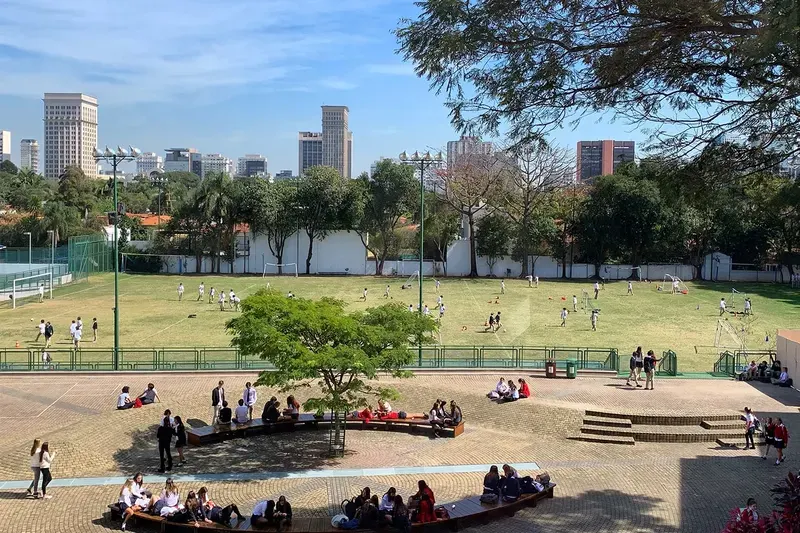
St. Paul's in the Jardins district has been running since 1926 and remains one of the most respected English-medium schools in the city. Around 1,100 pupils aged 3-18 follow a British-influenced curriculum, with the IB Diploma at sixth form alongside Cambridge IGCSE at secondary. University destinations lean toward the UK and North America. Families who've been in São Paulo a few years tend to mention St. Paul's as the school with the strongest sense of academic continuity.
Fees run BRL 104,592/year for primary and BRL 132,144/year for secondary, with a one-off registration fee of BRL 33,768. That puts it at roughly USD 21,000-USD 26,000/year. For a school with this track record, the fees sit at the mid-range of what the city charges.
The Jardins campus is central by São Paulo standards, which gives it wider residential flexibility than some of the other schools. Families in Jardins itself, Itaim Bibi, and Pinheiros are well-placed. The school has a strong waiting list, particularly at primary entry, so contact them before you have a confirmed start date.
St Nicholas School
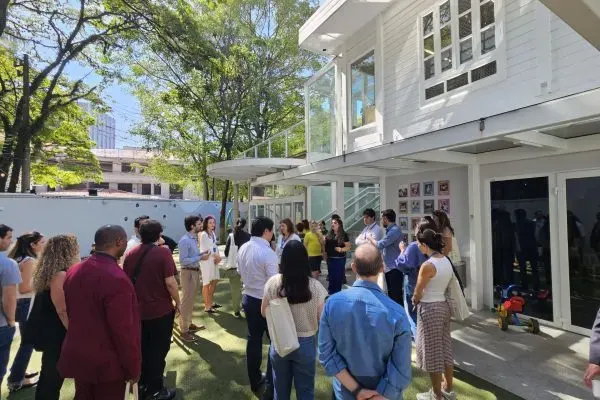
St Nicholas in Pinheiros is the city's longest-established IB-only school, authorised since 2000 and serving around 1,300 students from age 18 months through to 18. The multilingual model is a genuine differentiator here: the school offers native-level instruction in six languages, and 87% of its graduating cohort earn bilingual IB Diplomas. The IB Diploma pass rate sits above 90%, and the 2025 cohort included a score of 44/45.
Fees run BRL 94,500 to BRL 159,125/year (approximately USD 19,000-USD 32,000). That makes it one of the more accessible top-tier options in the city in absolute terms.
Pinheiros is a practical base for families. It is well connected to the rest of the city and sits within range of Jardins, Alto de Pinheiros, and the schools along that corridor. Parents say the school's multilingual culture attracts a genuinely international mix, which shapes the community feel.
The British College of Brazil
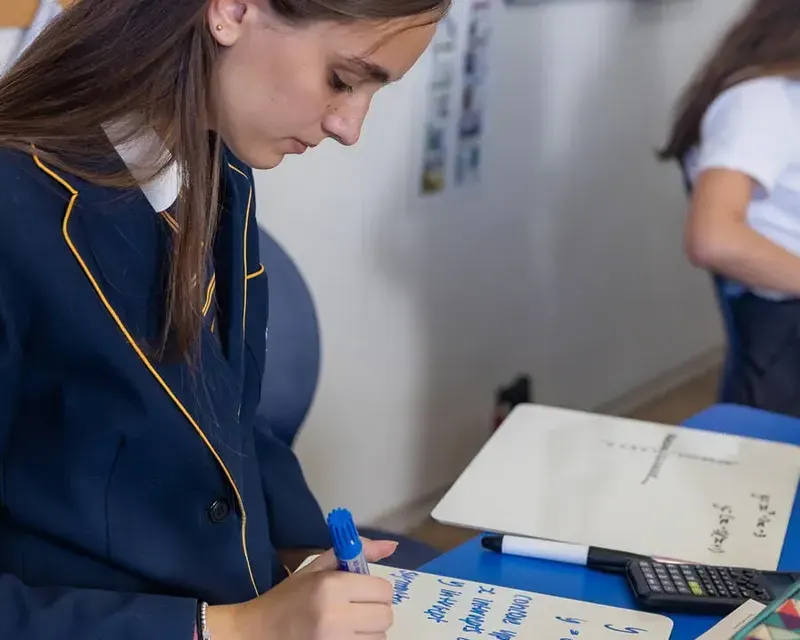
The British College of Brazil is part of the Nord Anglia Education group and operates two campuses in the south of the city, in Chácara Flora and Cidade Jardim. Around 600 students aged 2-18 follow the British curriculum, with IGCSE and the IB Diploma at the upper end. Class sizes average 22 students with a reported 1:10 teacher-student ratio.
Fees for 2025-26 run BRL 92,000/year for Pre-Nursery through to BRL 138,000/year for Years 7-13, which equates to roughly USD 18,000-USD 28,000/year. The Nord Anglia network brings some benefits: partnerships with institutions including Juilliard and MIT, and some staff mobility across its global network.
The Chácara Flora campus sits in the residential area that many international families use as a base when Morumbi is priced out. It is a little further from some of the central amenities, but families in the area say the trade-off is worth it for the school fees and quieter surroundings.
Avenues São Paulo
Avenues opened its São Paulo campus in 2018 as the second location of the New York-founded Avenues The World School. The school serves around 1,200 students from age 18 months through Grade 12 on a large Jardim Panorama campus with an integrated American and Brazilian dual curriculum. Fees are inclusive of books, lunch, and technology, running from BRL 117,500/year to BRL 198,000/year (roughly USD 24,000-USD 40,000). That makes it one of the most expensive options in the city.
Avenues has a distinctive philosophy and attracts families who want something different from the standard IB or British track. Parents new to the city sometimes ask about it as a novelty; families who've been here a few years have more divided views. Visit if you're specifically interested in the integrated dual-curriculum approach, but do not assume the fees reflect a straightforward academic premium over the more established schools.
Chapel School
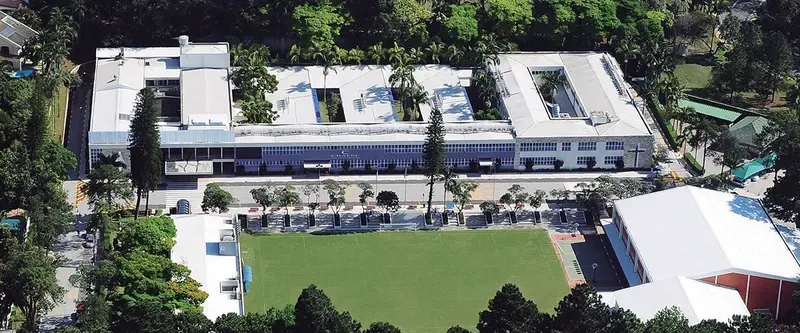
Chapel School in Chácara Flora is one of the city's oldest international schools, Catholic-founded and co-educational, serving around 740 students from 32 nationalities. It runs American, Brazilian, and IB Diploma programmes. The school has a long track record of sending graduates to US universities, with 80% of recent cohorts placing at American institutions.
Fees run from BRL 67,860/year (Nursery) to BRL 140,049/year (High School), billed monthly. In USD terms that is roughly USD 14,000-USD 28,000. The lower primary fees make Chapel one of the more accessible options for families looking for the American track without Graded's price point. The Chácara Flora location keeps it within reach of a large part of the south-western residential cluster.
St. Francis College
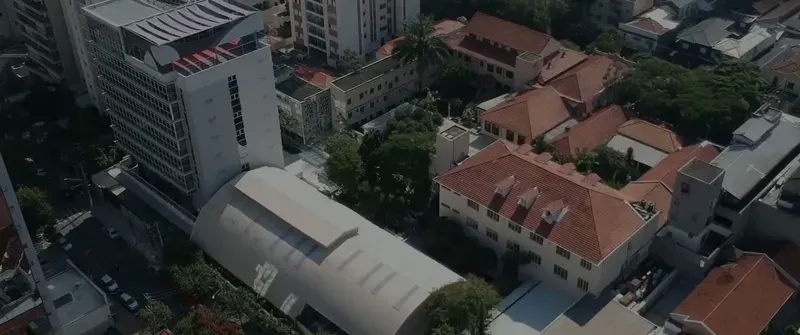
St. Francis College in Pinheiros is a CIS-accredited IB Continuum school serving around 920 students from Early Years through Secondary. It offers the full IB framework, PYP through to Diploma, alongside IGCSE and Cambridge qualifications. Graduates have placed at over 270 universities in 19 countries, which is a reasonable indicator of the breadth of its university preparation.
Fees run roughly USD 15,000-USD 25,000/year, which puts it in the accessible bracket for Pinheiros. Families who want the full IB pathway from early years but find St Nicholas at capacity often look at St. Francis as the next option. CIS accreditation provides a level of institutional assurance that matters for families on corporate packages.
Beacon School
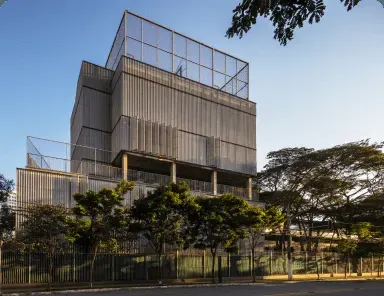
Beacon School in Alto de Pinheiros is a larger option, with around 1,500 students from Early Childhood through High School. It runs a trilingual model in English, Portuguese, and Spanish (from age 10), integrates the IB with the Brazilian national curriculum, and holds UNESCO Associated School status. Fees run BRL 85,000 to BRL 153,000/year (approximately USD 17,000-USD 31,000).
Beacon is the school families land on when they want the IB framework but also want genuine integration with Brazilian education and a connection to local community life. The Alto de Pinheiros campus is well-placed for families in that part of the city and for the Jardins corridor.
Pan American Christian Academy
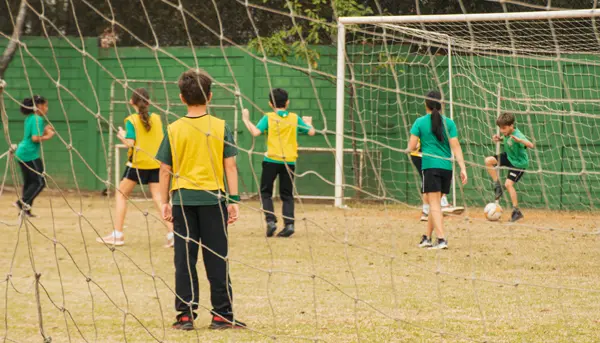
Pan American Christian Academy in Jardim Têxtil is a non-denominational Christian school serving around 350 students, with 60% international. The dual American and Brazilian curriculum is accredited by ACSI, MSA, and MEC, and 80% of graduates attend US universities. Fees for 2025-26 run BRL 77,964/year (Elementary) to BRL 101,200/year (Grade 12), which in USD terms sits around USD 16,000-USD 20,000.
PACA is the most affordable credible American-curriculum option in the city. The smaller student body is genuinely a different experience from Graded or Avenues. Families who chose it specifically mention the community feel and the accessible fees; those who need a large school infrastructure tend to go elsewhere.
St Nicholas School, Colegio Visconde de Porto Seguro, and the German and European schools
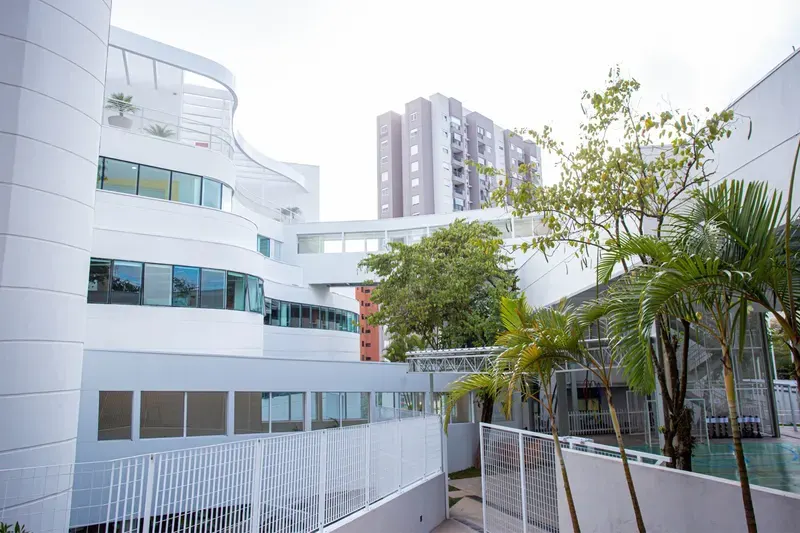
A brief word on schools outside the core English-medium group. Colegio Visconde de Porto Seguro in Morumbi is the largest German school in South America, with around 4,500 students and a bilingual German-Portuguese track leading to the Abitur. Fees run USD 8,000-USD 20,000/year, making it significantly more affordable than the English-medium schools. The IB Diploma launches at its Panamby campus in 2026. It is relevant for German-speaking families and for Brazilian families seeking the Abitur track.
Colegio Humboldt in Interlagos is a further German option with a 60,000 m2 campus, fees running BRL 43,800-BRL 52,000/year (USD 8,000-USD 10,000). The Lycee International Francais de São Paulo in Vila Mariana serves French-speaking families through to the Baccalaureate at BRL 56,381-BRL 65,559/year (USD 11,000-USD 13,000).
Where people live
Morumbi and Brooklin
The established cluster for international families from North America and UK-aligned postings. Graded is here, which pulls a large proportion of the American corporate community into the area. Good apartment stock, reasonable access to the Marginal highway, and enough English-language amenities to make the first few months manageable. Rents for family apartments run from around BRL 6,000 to BRL 18,000/month depending on size and whether you are in a condominium. The Morumbi Shopping area provides the practical infrastructure most families need when they first arrive.
Chácara Flora and Cidade Jardim
Quieter and more residential than Morumbi, Chácara Flora is where a significant part of the South American international community lives. Chapel School and BCB's main campus are here. It has a village feel by São Paulo standards, with lower traffic noise and more green space. It is not as well-connected to the centre as some other areas, but families with young children often prefer it.
Jardins and Itaim Bibi
The most central of the international family neighbourhoods. St. Paul's is in Jardins, and the area has better access to restaurants, cultural venues, and the metro than the further-out options. A three-bedroom apartment in Jardins typically runs BRL 10,000-BRL 18,000/month. It works well for families where one or both parents are working centrally or travelling frequently.
Pinheiros and Alto de Pinheiros
Younger and more mixed than Jardins, Pinheiros has a large community of Brazilian professionals alongside international families. St Nicholas, St. Francis, and Beacon are all within range. Rents are somewhat lower than Jardins for comparable space. For families prioritising the IB corridor, Pinheiros is the natural base.
The commute question
Traffic in São Paulo is a serious daily consideration. The city consistently ranks among the most congested in the world. Most families eventually settle on living within 20-30 minutes of the school during term-time, which means neighbourhood choice and school choice are intertwined. Every school runs bus services covering a wide area, which is the practical solution for many families. If you are driving the school run yourself, a 40-minute cross-city commute each way will wear on you within a term.
Fees in context
| School | Curriculum | Ages | Fees (BRL/year) | Approx USD/year |
|---|---|---|---|---|
| Graded | American, IB | 3-18 | BRL 153,816-190,872 | USD 31,000-38,000 |
| Avenues | American, Brazilian | 1.5-18 | BRL 117,500-198,000 | USD 24,000-40,000 |
| St. Paul's School | British, IB | 3-18 | BRL 104,592-132,144 | USD 21,000-26,000 |
| Beacon School | IB, Brazilian | 2-18 | BRL 85,000-153,000 | USD 17,000-31,000 |
| St Nicholas School | IB | 1.5-18 | BRL 94,500-159,125 | USD 19,000-32,000 |
| The British College of Brazil | British, IB | 2-18 | BRL 92,000-138,000 | USD 18,000-28,000 |
| St. Francis College | IB | 3-18 | Contact school | USD 15,000-25,000 |
| Chapel School | American, IB | 3-18 | BRL 67,860-140,049 | USD 14,000-28,000 |
| Pan American Christian Academy | American, Brazilian | 3-18 | BRL 77,964-101,200 | USD 16,000-20,000 |
| Colegio Visconde de Porto Seguro | German, IB | 3-18 | Contact school | USD 8,000-20,000 |
| Colegio Humboldt | German, Brazilian | 2-18 | BRL 43,800-52,000 | USD 8,000-10,000 |
USD figures are approximate at BRL 5.0 per USD (indicative May 2026). Fee levels shift materially with exchange rate movements.
Practical notes
Visas and bureaucracy: The Brazilian bureaucratic process is real and can be slow. CPF registration (the Brazilian tax ID) is the foundation for almost everything: bank accounts, contracts, and school enrolment paperwork. Families on corporate packages should ensure HR starts this process before departure. Non-corporate families should budget time and ideally an immigration lawyer.
Healthcare: The private healthcare system is excellent. Hospital Albert Einstein in Morumbi and Hospital Sírio-Libanês in Bela Vista are well-regarded internationally. Most international families take out comprehensive private health insurance before arriving. The public system is not the right option for routine family healthcare at this stage of your posting.
Safety: São Paulo has security challenges. Most families in the international school corridor live in gated condominiums and follow standard precautions: avoiding ostentatious displays of valuables, using apps for transportation rather than street-hailing, and staying aware in less-familiar areas. The vast majority of families who live here long-term settle into a routine that feels normal. It requires adjustment, but it is not the security environment of some other postings.
Cost of living (excluding school fees): A family of four in Morumbi or Jardins, renting a good apartment, running a car, with private health insurance, should budget around BRL 25,000-40,000/month before school fees, depending on lifestyle. Restaurants are good value by European standards at the mid-range. Premium international groceries (imported cheeses, specific brands) cost more. Domestic staff are affordable and most international families employ a cleaner and often a full-time helper.
Transport: Uber and 99 are widely used and inexpensive. The metro is good in the central areas but does not reach most of the international family neighbourhoods. A car is effectively essential for families with children in school. Cycling infrastructure is improving but is not yet a practical commute option for most.
Methodology
This article covers the schools most considered by international families relocating to São Paulo with children. Selection was based on academic track record, accreditation status, parent-community reputation, and the breadth of the curriculum offer. We have focused on schools with a genuine English-medium track or a recognised international qualification (IB, IGCSE, US High School Diploma, Abitur, or Baccalaureate). Schools with fees listed as "Contact school" in our data are included where they have a strong reputation; we have not been able to verify current fee levels independently.
Fee data comes from school websites and our own data file, verified where possible against published fee schedules. Brazilian real figures are as published by the schools; USD equivalents are calculated at an indicative rate of BRL 5.0 per USD and will change as the rate moves. We do not claim this article is exhaustive: São Paulo has a large number of bilingual and international schools, and some deserve more attention than space allows here. The schools included represent those most consistently mentioned by families on the school tour circuit.
FAQs
Which schools offer the IB Diploma in São Paulo? Several of the leading schools offer the IB Diploma, including Graded, St. Paul's, The British College of Brazil, St Nicholas, St. Francis College, Beacon School, and Chapel School. St Nicholas is the only IB-only school in the list, offering the full PYP-MYP-DP continuum from early years.
Do I need to speak Portuguese to live in São Paulo? Practically, yes. The international schools operate in English, but daily life, including banks, government offices, landlords, and most service providers, runs in Portuguese. Families who arrive with some Portuguese cope significantly better than those who do not. Evening classes or an online course before departure is worth the time.
How early should I apply to São Paulo's international schools? Contact schools as early as possible, ideally 6-12 months before your intended start date. St. Paul's, Graded, and St Nicholas have waitlists at competitive entry years. Do not assume availability when you land.
Is São Paulo safe for international families? São Paulo requires adjusting to a different security environment compared with most postings in Europe or North America. Families in the main international residential areas, living in secure condominiums and following common-sense precautions, typically describe their daily life as normal and comfortable. Security is a consideration, not a dealbreaker for most families who choose to come.
Are German-track schools a viable option for non-German families? Colegio Visconde de Porto Seguro and Colegio Humboldt are built around the German curriculum and primarily serve the German-speaking community, alongside Brazilian families seeking the Abitur qualification. They are not a natural fit for families without German, but for those with a European dual-language background, the fees are significantly lower than the English-medium schools and the educational quality is high.
Fees correct as at January 2026. BRL/USD rate indicative at BRL 5.0 per USD (May 2026). Fee levels in BRL can appear to shift significantly with exchange rate movements. Verify all fees on school websites before making enrolment decisions. We work hard to make every figure, date and description on this page accurate. We don't always get it right. If you spot an error, please tell us.