Notes / Paris
Best International Schools in Paris: The 2026 Guide for Families
Paris has a well-established international school market with genuine options across British, American, and IB curricula. The city is more liveable than its reputation suggests, and you have more neighbourhood flexibility than you might expect.
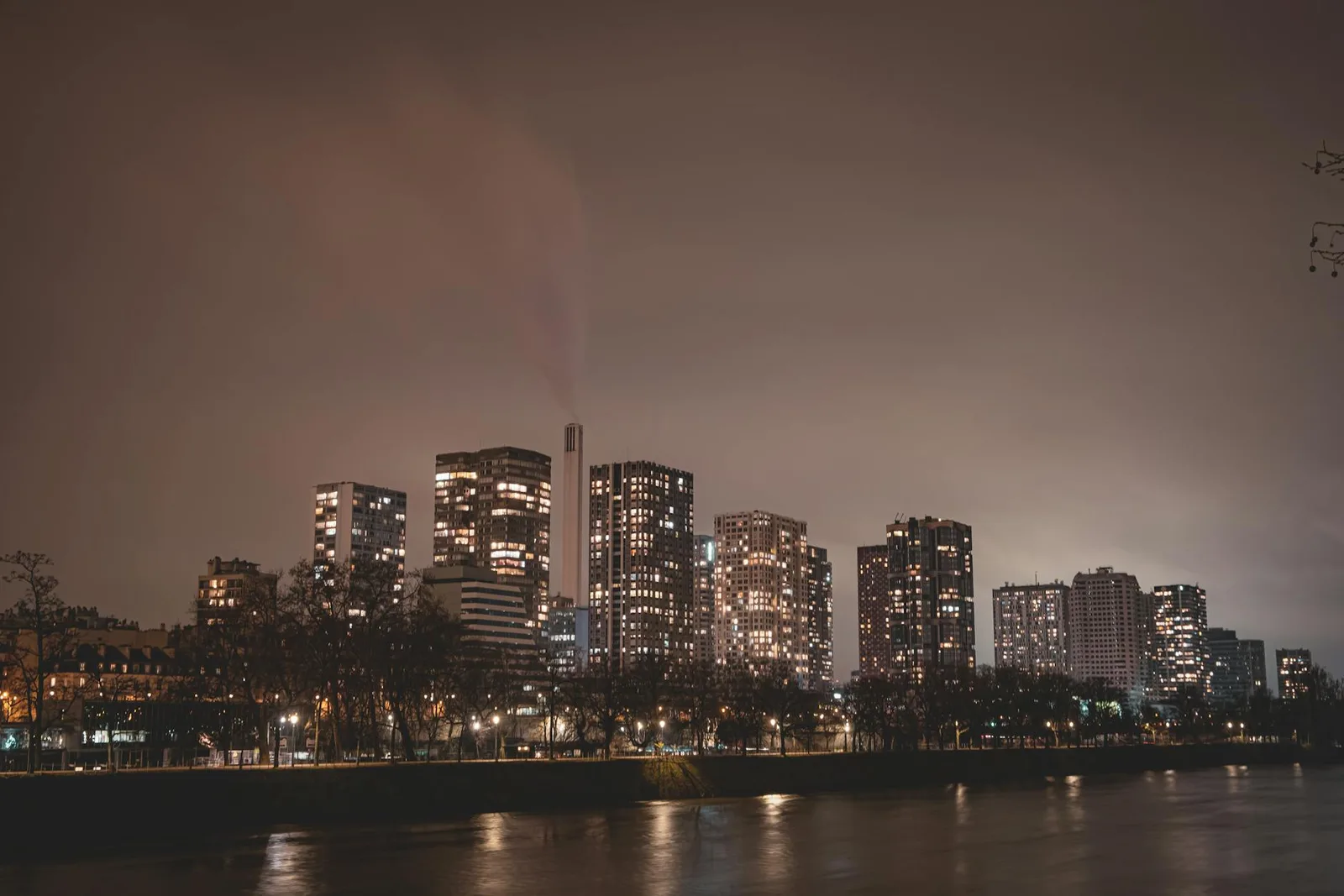
Comparison table
| School | Curriculum | Ages | Fees range (USD) | Notes |
|---|---|---|---|---|
| Ecole Jeannine Manuel Paris | IB, Cambridge, French | 6-18 | 11,152–35,391 | 15th Arrondissement |
| International School of Paris | IB | 3-18 | 27,717–42,391 | 16th Arrondissement |
| American School of Paris | IB, American | 3-18 | 27,174–45,000 | Saint-Cloud |
| British School of Paris | British | 3-18 | 22,483–37,027 | Croissy-sur-Seine |
| ICS Paris | IB, British, Cambridge | 2-18 | 22,820–35,843 | 15th Arrondissement |
| Marymount International School Paris | American | 2-14 | 25,272–41,848 | Neuilly-sur-Seine |
| Ermitage International School | IB, French | 3-18 | 8,152–31,467 | Maisons-Lafitte |
| Lycee International British Section | British, Cambridge, French | 3-18 | 4,072–9,880 | Saint-Germain-en-Laye |
| Lennen Bilingual School | American, French | 2-11 | 11,630–22,500 | 7th Arrondissement |
| EIB Paris | British, French | 3-18 | 15,326–18,473 | 8e Arrondissement |
| Deutsche Schule Paris | German | 4-18 | 11,613–14,189 | Saint-Cloud |
| Lab School Paris | IB, French | 5-18 | 16,957–25,543 | 11th Arrondissement |
Fees converted to USD at indicative 2026 rates. Verify current figures with each school.
TL;DR
- The IB dominates at the top end, but credible British and American options exist. The standout school for IB results is Ecole Jeannine Manuel, which consistently ranks first in France.
- Most of the English-medium international schools sit outside central Paris: the western suburbs (Saint-Cloud, Croissy-sur-Seine, Maisons-Lafitte, Neuilly-sur-Seine) are where the majority of international families end up.
- Fees at the established English-medium schools run roughly EUR 20,000-41,000 per year, with one-time entry fees on top. The Lycee International British Section in Saint-Germain-en-Laye is a genuine outlier at EUR 7,500-9,000, with results that match the private schools.
- Entry years fill quickly. Worth contacting schools as early as you can.
The city
Paris is a proper city in a way that Jakarta or Dubai are not. There is a real public transport system, walkable neighbourhoods, a functioning health service, and a cultural and social life that has nothing to do with your company's relocation package. It is also expensive, bureaucratically demanding, and conducted almost entirely in French. Those last three things are worth taking seriously.
The language point is real. Paris is not London, Singapore, or Dubai, where you can build a full professional and social life without speaking the local language. You can get by in English in the tourist zones and in parts of the international community, but French school admin, the GP, the prefecture, and most of your neighbours will not meet you halfway. A few months of French lessons before you arrive will make the first year considerably less grinding.
Cost of living is high by most international standards, though not wildly out of line with London or Zurich. Housing in the western suburbs, where most international schools sit, runs EUR 3,000-7,000 per month for a family-sized flat or house. Central Paris costs more.
The schools
Ecole Jeannine Manuel Paris
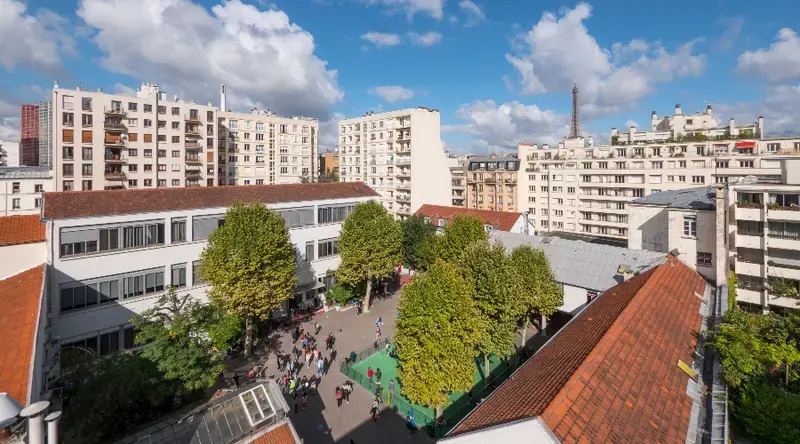
Ecole Jeannine Manuel is the most academically impressive international school in Paris. An IB average of 38.1 in 2025 puts it first in France and well inside the global top tier. It is a bilingual French-English school with around 1,600 students in the 15th arrondissement, and it runs both the IB Diploma and the French Baccalaureat International. Fees are considerably lower than most competitors because the school receives partial state funding: EUR 9,935 per year at primary level, rising to EUR 32,560 for the IB Diploma years.
The school is not aimed exclusively at families relocating from abroad. It has a strong local French base and a genuinely bilingual culture, which matters for how your child will spend their day. If your child has no French, entry to the lower years is possible but expect an immersion period. For families who are already comfortable in French or are committed to raising bilingual children, it is the obvious first stop.
International School of Paris
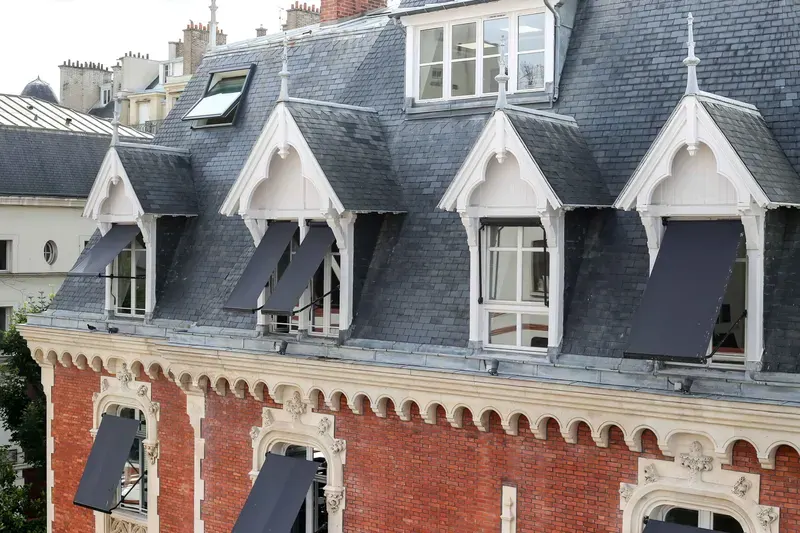
International School of Paris is Paris's only full IB World School running the PYP, MYP, and Diploma from a single campus. Around 900 students from the 16th arrondissement, founded in 1964, governed by a parent board of trustees. The 16th is one of the most convenient locations for international families: good access across the west of the city, walkable, and close to several of the residential areas where families tend to land.
Fees run from EUR 25,500 for the youngest year groups to EUR 39,000 for Grades 10-12, with a EUR 10,000 one-time entry fee for Grades 1 onwards. That makes it one of the more expensive schools in Paris, and families say it has a fairly tight-knit community that can take time to break into if you arrive mid-cycle. The IB continuity from age 3 through to the Diploma is a genuine convenience for families who move frequently within the IB system.
American School of Paris
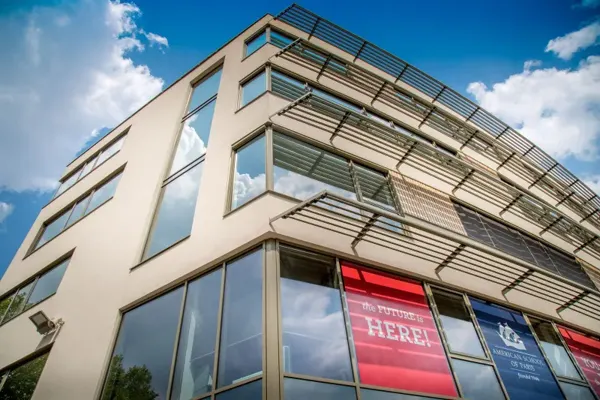
American School of Paris is the natural home for US families and families targeting American universities. It is on a 5-hectare campus in Saint-Cloud, running from Early Childhood through to Grade 12, with both Advanced Placement and the IB Diploma as sixth form options. An IB average of 34.6 in 2025 and a 100% pass rate are the headline numbers. AP pass rate (3 or above) was 86% in 2025. Around 760 students from over 63 nationalities.
Tuition for 2026-27 runs from EUR 25,000 at Early Childhood level to EUR 41,400 for Grades 9-12, plus a one-time capital assessment of EUR 12,200. The campus and facilities are good, and the community has a recognisably American school feel: involved parents, strong sport and activities, college counselling that is primarily US-focused. For British-curriculum families, the American School of Paris is an option but probably not the first call.
British School of Paris
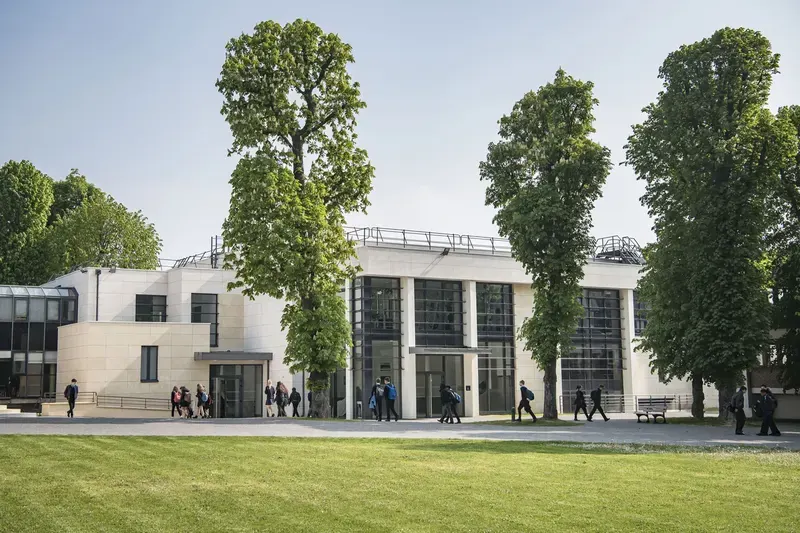
British School of Paris is France's original British school, established in 1954, on a campus in Croissy-sur-Seine in the western suburbs. It runs the National Curriculum of England from Nursery through to A-Levels, with no IB pathway. If your child is heading to UK universities and you want focused IGCSE and A-Level preparation in a recognisably British environment, this is the school to look at.
A-level results in 2025: 28% A/A grades, 55% A-B. GCSE: 67% of grades were 9-7. Those numbers are solid without being exceptional. Fees run from EUR 20,684 for Nursery to EUR 34,065 for Years 12-13, with a EUR 8,000 non-refundable development fund payable on registration. The Croissy location requires a car for most families, or a combination of school bus and RER A. Families in the western suburbs generally find it manageable; those based centrally have more to plan around.
ICS Paris
ICS Paris runs the full IB pathway (PYP, MYP, Diploma) alongside Edexcel IGCSE and A-Level options, which gives it more curriculum flexibility than most Paris schools. Around 600 students from age 2 to 18 in the 15th arrondissement, near metro line 12. The 15th is a large, residential arrondissement: quieter than the tourist centre, well connected by metro, and home to several other international families who prefer to live inside the city rather than the suburbs.
Fees for 2026-27 run from EUR 20,994 for Nursery to EUR 32,976 for Grade 10 with five IGCSEs, with annual school trips included in tuition. The school is less prominent on the Paris circuit than ISP or ASP, but families who are happy with the 15th arrondissement location often find it a good match, particularly if they want the flexibility of both IB and IGCSE/A-Level pathways under one roof.
Marymount International School Paris
Marymount International School Paris is France's oldest international school, founded 1923, in Neuilly-sur-Seine. The important thing to know before you apply is that it runs only to Grade 8 (age 14). There is no secondary beyond that point, so families will need to plan a transition to another school for the older years. For young children through to early secondary, it has a small, well-regarded community of around 360 students and follows the American AERO curriculum.
Fees for 2026-27 run from EUR 23,250 for the Early Learners programme to EUR 38,500 for Middle School, plus a one-time non-refundable capital assessment of EUR 12,400. The Neuilly location is convenient for families in the western parts of Paris and the near suburbs. The Grade 8 ceiling is the single biggest planning consideration: if your child will be in Paris through secondary, you will need a second school for later.
Ermitage International School
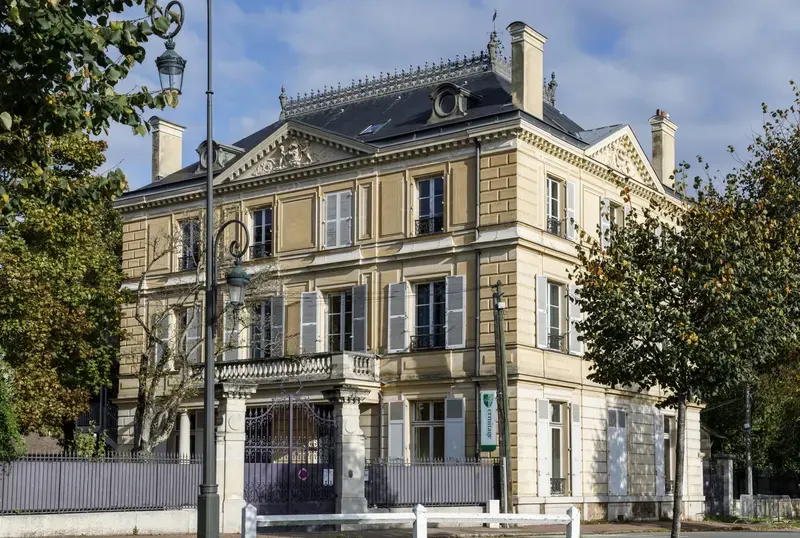
Ermitage International School is the most interesting option if you want strong IB results at fees noticeably below the Paris private school average. It is in Maisons-Lafitte, 20 minutes west of Paris on the RER A, on a park campus. Around 1,500 students from 80 nationalities, IB average of 34 in 2025, ranked third in France for IB results. It also offers the French Baccalaureat with a 100% pass rate. Boarding is available for ages 11-18, which matters if your work involves significant travel.
Day fees for 2026-27 run from EUR 7,500 for French Bilingual primary to EUR 28,950 for the IB Diploma. That lower end is very competitive by Paris private school standards. The Maisons-Lafitte location puts most families on the RER A, which runs frequently and is generally reliable. Families who land in Maisons-Lafitte, Saint-Germain-en-Laye, or the western RER A corridor often find Ermitage the natural choice.
Lycee International British Section
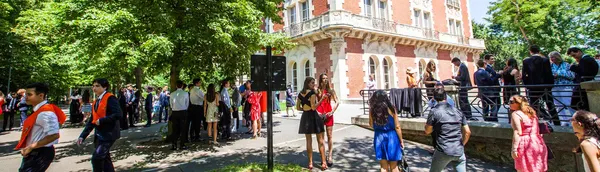
Lycee International British Section is the option that makes everyone do a double take when they first hear the fees. It is the British section of the Lycee International de Saint-Germain-en-Laye, a French state school with internationally managed language sections, and it offers a bilingual British-French education for ages 3 to 18 at around EUR 7,492-9,090 per year. Those are not typos. Results are strong: 80% of 2024 students achieved Mention Tres Bien or Bien in the Baccalaureat Franco-International.
The school operates within the French state system, which means the French baccalaureat is the core qualification, with the British section running alongside it. Around 830 students, 53 nationalities. Waiting lists operate at most year groups, as families who have discovered it tend to stay. Saint-Germain-en-Laye is around 30-35 minutes from central Paris by RER A and is a pleasant, well-resourced town. For self-funding families, or those who want strong bilingual outcomes at a fraction of private school prices, this deserves serious consideration.
Lennen Bilingual School

Lennen Bilingual School is a small Franco-American bilingual school in the 7th arrondissement for children aged 2 to 11. Founded in 1960, it runs the French national curriculum and American standards in a 50/50 French-English split. Around 200 students. The 7th is a desirable central Paris address, close to the Champ de Mars and well connected by metro.
The ceiling is the main thing to know: the school goes to Grade 5 only. Fees run from EUR 10,700 for Toddler mornings to EUR 20,700 for Grades 3-5, plus a one-time EUR 2,500 entry fee per family. For families with young children who want a genuinely bilingual start and are happy in central Paris, it is a solid option. Planning for secondary starts at around age 9.
A note on the broader Paris school market
Several French private schools with international sections offer strong academic outcomes at fees below the full international schools. EIB Paris runs eight bilingual French-English campuses across Paris and the western suburbs, with fees at the La Jonchere campus representative site running EUR 13,545 at primary and EUR 16,350 at secondary. Deutsche Schule Paris in Saint-Cloud is a strong option for German-speaking families or families targeting German university entry: fees run EUR 10,684-13,054, with both the Abitur and the AbiBac dual certificate on offer. Lab School Paris in the 11th arrondissement is a small evidence-based school with a sliding-scale fee structure from EUR 15,600-23,500; it is primarily for French families comfortable in that model, but its IB Diploma pathway (first cohort 2025) is worth watching.
IB results in context
The global IB Diploma average in 2025 was 30.5. Paris's leading schools are well above that. For reference:
| School | 2025 IB average |
|---|---|
| Ecole Jeannine Manuel | 38.1 |
| American School of Paris | 34.6 |
| Ermitage International School | 34.0 |
Source: school-published results and IBO data.
Where people live
The western suburbs are where most international families end up, largely because that is where the major English-medium schools are. The city is divided enough east-west that commuting across it daily is a real consideration.
The 16th arrondissement
The traditional base for international families who want to live in Paris proper. Broad streets, good schools nearby, quiet residential atmosphere. The International School of Paris is here. Families in the 16th have easy access to the Bois de Boulogne and to the RER A and C lines for wider travel. A family-sized flat runs EUR 4,000-7,000 per month in the better streets. It is expensive even by Paris standards, but the location is genuinely convenient and the neighbourhood has enough of an international community that arriving families do not feel stranded.
Neuilly-sur-Seine
Just west of the 16th, across the Peripherique. The feel is similar: affluent, residential, well connected. Marymount is here. Neuilly is marginally more suburban in character than the 16th but shares the same access advantages. A four-bedroom apartment runs EUR 4,000-6,500/month. Families on corporate packages who want Paris proximity without quite committing to central Paris rents often land here.
Saint-Cloud and the western suburbs
Saint-Cloud is where the American School of Paris is, and it sits at the beginning of a corridor of suburban communes stretching west: Rueil-Malmaison, Croissy-sur-Seine (British School of Paris), Maisons-Lafitte (Ermitage). This is a different feel from central Paris: more suburban, quieter, larger housing footprints for comparable money. A four-bedroom house in Saint-Cloud or Croissy typically rents EUR 3,000-5,500/month. The RER A runs through this corridor and is reasonably direct into central Paris, though peak-hour trains fill quickly.
Saint-Germain-en-Laye
Around 30-35 minutes from central Paris by RER A. A well-preserved royal town with good local schools, market, and services. The Lycee International British Section is here, as is the broader Lycee International campus. Families who have found the British Section tend to base themselves here or in the surrounding villages. Housing is more affordable than the western suburbs closer to Paris: a four-bedroom house runs EUR 2,500-4,000/month. The commute into central Paris is manageable but real.
The 15th arrondissement
The 15th is a large, functioning residential arrondissement, popular with both French and international families. ICS Paris and Ecole Jeannine Manuel are both here. It is less prestigious than the 16th but considerably cheaper and arguably more liveable day-to-day. A three-bedroom apartment runs EUR 2,800-4,500/month. Families who want to live in Paris proper without paying 16th arrondissement prices, and whose school is in the 15th, often find this a good fit.
On the commute question
Paris is not Jakarta, where school geography is a near-absolute constraint. The metro and RER networks are extensive, and most international schools run bus services. That said, cross-city commutes are real: if you are in Saint-Germain-en-Laye and your school is in the 16th, that is 40-50 minutes each way by public transport. The western corridor is internally well connected; east-west travel within the same zone is fine. Central-to-western movement adds up. Plan the school run before you sign a lease.
Practical notes
Bureaucracy: France's administrative systems are thorough and conduct themselves in French. The Carte de Sejour (residence permit) for non-EU nationals, the CAF for any housing benefit entitlements, bank accounts, school registration forms: all require documents, appointments, and patience. Start the paperwork early and expect things to take longer than they logically should.
Healthcare: The French health system is well regarded. Salaried employees access it through their employer's mutuelle (top-up insurance). Families arriving on corporate packages often have international health insurance that covers specialists and avoids the referral system. English-speaking GPs and specialists exist in the international areas, though you may need to ask around to find the right ones. Most international schools can point you in a useful direction.
Cost of living: A family of four in the western suburbs, with a car, private health top-up, eating out once or twice a week, should budget EUR 5,000-7,500 per month before school fees. Groceries and eating out are expensive by the standards of Southeast Asia, but reasonable compared with London or Geneva.
Language: French at school admin level is non-negotiable. Even at fully English-medium schools, letters from the local mairie and much of the admin bureaucracy will arrive in French. A reasonable working knowledge of written French within six months of arrival is a practical necessity.
FAQs
Which Paris international schools have the best IB results? Ecole Jeannine Manuel ranked first in France in 2025 with an average of 38.1, well above the global mean of 30.5. The American School of Paris follows at 34.6, and Ermitage International School at 34.0. Both ISP and ICS Paris run the IB but do not publicly publish average Diploma scores.
Is there a good British school in Paris? The British School of Paris in Croissy-sur-Seine runs the English National Curriculum from Nursery through A-Levels. It is the main dedicated British-curriculum option. The Lycee International British Section in Saint-Germain-en-Laye is a lower-cost alternative running to the Baccalaureat Franco-International, with strong results and very different fees. ICS Paris also offers Edexcel IGCSE and A-Level pathways alongside its IB route.
Do I need to live near the school in Paris? Less so than in Jakarta, but more so than in Madrid. The RER and metro networks are good, and most international schools run bus services. The main complication is the east-west split: the large international schools are mostly in the west of the city and the western suburbs, while much of central Paris is to the east. A cross-city school run can take 50 minutes each way. Families whose school is in the western corridor generally find that living in the same corridor, or the 15th or 16th, keeps things manageable.
How early should I apply? ISP, ASP, and the Lycee International British Section fill entry years quickly, and the British Section in particular has waiting lists at most year groups. Contact schools before your posting is confirmed where possible. Four to six months is a minimum for most schools; for the British Section, earlier is considerably better.
Are there cheaper international schools in Paris? The Lycee International British Section is the standout: fees around EUR 7,500-9,000 per year with strong academic outcomes. Ermitage International School in Maisons-Lafitte has fees from EUR 7,500 at the primary level, rising to EUR 28,950 for the IB Diploma. EIB Paris offers bilingual French-English education at EUR 13,545-16,350 across multiple campuses. These are all materially cheaper than ISP, ASP, or the British School of Paris.
Fees correct as of January 2026. Exchange rate: approximately USD 1.05 per EUR 1 (January 2026, indicative for fee comparisons in text). We work hard to make every figure, date and description on this page accurate. We don't always get it right. If you spot an error, a fee that's changed, a fact that's out of date, or something we've got wrong, please tell us. Use the feedback button above or email us directly. We'll check it and update the article.