Notes / Jeddah
Best International Schools in Jeddah: The 2026 Guide for Families
Jeddah has a smaller international school market than Dubai or Riyadh, but it has depth where it counts. The top schools are genuinely strong, the city is more relaxed than most families expect, and Vision 2030 has brought a new wave of international families to figure it all out.
Comparison table
| School | Curriculum | Ages | Fees range (USD) | Notes |
|---|---|---|---|---|
| British International School of Jeddah | IB, British | 2-18 | 7,777–28,064 | Al Mohammadiyah |
| Jeddah Prep and Grammar School | British, Cambridge | 3-18 | 9,813–21,313 | Al Hamra |
| American International School of Jeddah | American, AP | 2-18 | 10,733–28,029 | Al Mohammadiyah |
| Jeddah Knowledge International School | IB, American | 2-18 | 6,080–18,400 | Al Salamah |
| Thamer International Schools | British, American, Cambridge | 3-18 | 6,533–11,733 | Al Salamah |
| Sherborne School Jeddah | British | 3-13 | 9,275–22,029 | Other Jeddah |
| Dar Jana International Schools | IB, American, AP | 3-18 | 5,467–10,400 | Other Jeddah |
| German International School Jeddah | IB, Cambridge, German | 3-18 | 7,023–17,541 | Other Jeddah |
Fees converted to USD at indicative 2026 rates. Verify current figures with each school.
TL;DR
- British and American curricula dominate. The British track is the stronger one if your children are heading to UK or international universities. The American track suits families already in the US system or targeting US universities.
- Schools are concentrated in Al Mohammadiyah, Al Hamra, and Al Salamah. Families tend to cluster around these districts.
- Fees for the established English-medium schools run roughly SAR 30,000-SAR 105,000 per year (approximately USD 8,000-USD 28,000), depending on school and year group. The American school sits at the higher end. The IB and community schools sit in the middle.
- Entry years fill up. If you are arriving mid-year or targeting a popular cohort, worth contacting schools well before your move date.
The city
Saudi Arabia's commercial capital sits on the Red Sea and has a different feel from Riyadh. It is more open, more diverse, and considerably more relaxed in its social environment. The corniche is genuinely pleasant. There are good restaurants, a real café culture by Saudi standards, and a city that has visibly changed over the last few years. Women driving is no longer news; it is simply how things work. Families new to the Kingdom who land in Jeddah are often pleasantly surprised by how quickly daily life feels normal.
Vision 2030 has accelerated that shift. The government is actively attracting international companies and the families that come with them, which means the international school population has grown and is still growing. Infrastructure is following, though not always as fast as the families arriving.
The heat is serious. From May through September, you are largely indoors during the day. That shapes how families use the city and how schools structure outdoor activities. Schools that opened with British or American campus cultures have adapted, but you should factor the climate into how you imagine your children spending time outside school hours. The flip side is that the winter months, October through April, are excellent.
Arabic is the official language and you will encounter it in daily life. English is widely understood in commercial and professional contexts, and most of the international school ecosystem runs in English. For families not planning to learn Arabic, day-to-day life is manageable, but the administrative side of things works better when you have someone to help with translation or paperwork. Most employers and compound managers can point you in the right direction.
The schools
British International School of Jeddah
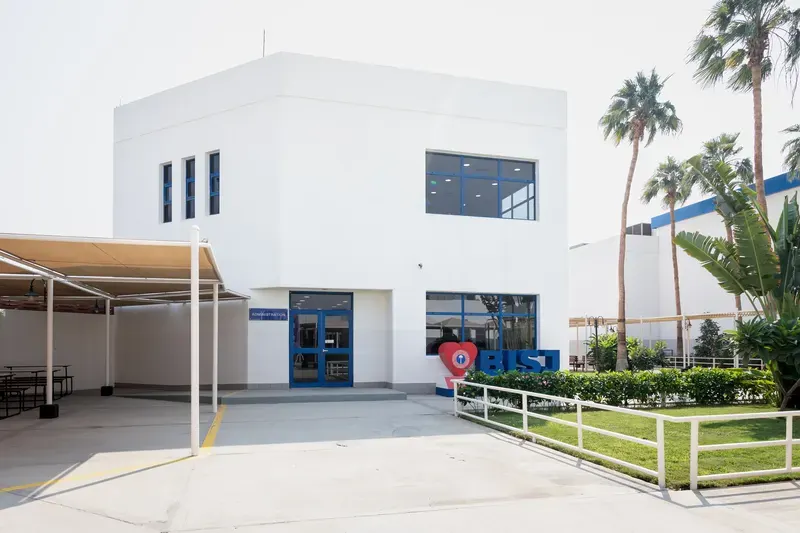
BISJ is the anchor school for the British-curriculum track in Jeddah. It has been here since 1977, is run on a not-for-profit basis, and has around 1,300 students from over 60 nationalities. That combination - longevity, non-profit structure, diverse student body - tends to produce stable schools, and BISJ has that quality. It runs the IPC in primary, Cambridge IGCSE in secondary, and the IB Diploma in the sixth form, which gives you an academically credible pathway all the way through. The dual IGCSE-IB offering at the top end is genuinely useful for families not yet certain which university system their child will target.
Fees for 2025-2026 run from SAR 29,163 (Nursery) to SAR 105,239 (IB Year 12-13, VAT inclusive). At the secondary level, that puts it at roughly USD 20,000-USD 28,000/year depending on year group.
Jeddah Prep and Grammar School
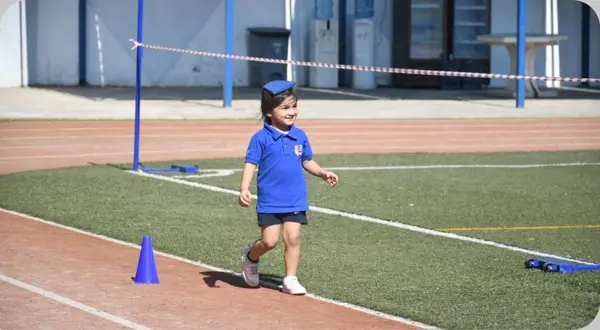
JPGS has been running since 1967 and sits in Al Hamra. It is a Cambridge-accredited British school offering IGCSE and A-Levels, and it takes the academic side seriously. The school has a strong record of Cambridge Outstanding Learner Awards, and its university placement rate - reportedly over 90% of leavers going on to UK, US, or Canadian universities - reflects that. A-Level schools in the Gulf are not as common as IB schools, and for families specifically targeting UK universities, A-Levels often make more sense than the IB. That is worth factoring into the decision.
Fees for 2025-2026 run from SAR 36,800 (KG1) to SAR 79,925 (Year 11-12). Broadly USD 10,000-USD 21,000/year depending on stage.
American International School of Jeddah
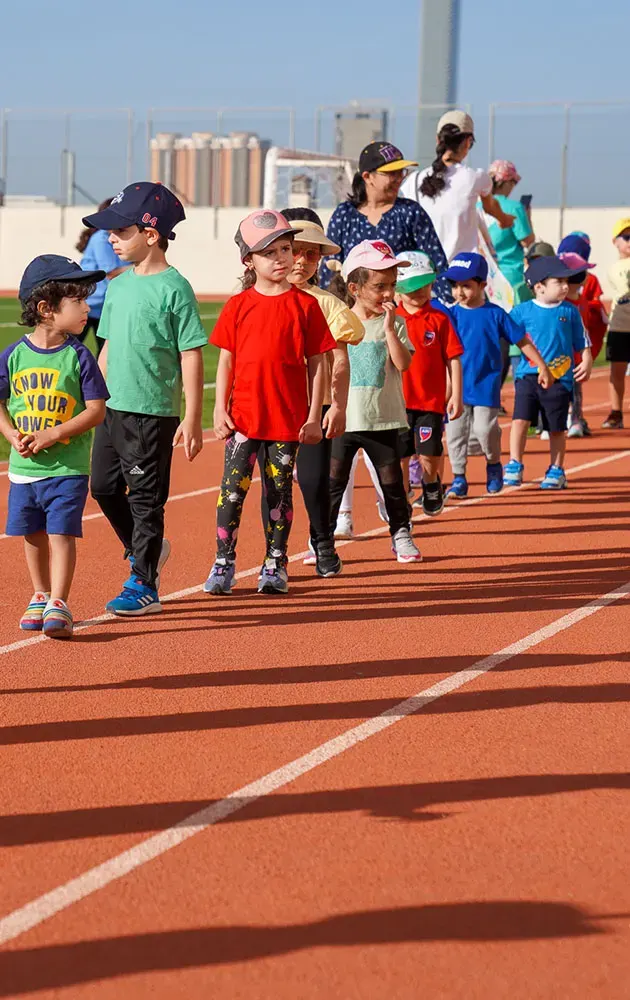
AISJ is the main American-curriculum school in the city and one of the oldest international schools in Saudi Arabia, having opened in 1952. It runs from Pre-K through Grade 12, aligned to the AERO standards, with AP courses in the high school. For families relocating from the US, or those targeting American universities, it is the natural fit. The community has the feel of a traditional American school abroad: the parent body skews towards diplomatic and US corporate families, there is an active school community, and the social calendar follows the American school year.
Fees for 2025-2026 run from SAR 40,250 (Pre-K) to SAR 105,110 (Grades 11-12, VAT inclusive). That is roughly USD 11,000-USD 28,000/year, putting it at the higher end of the Jeddah market.
Jeddah Knowledge International School
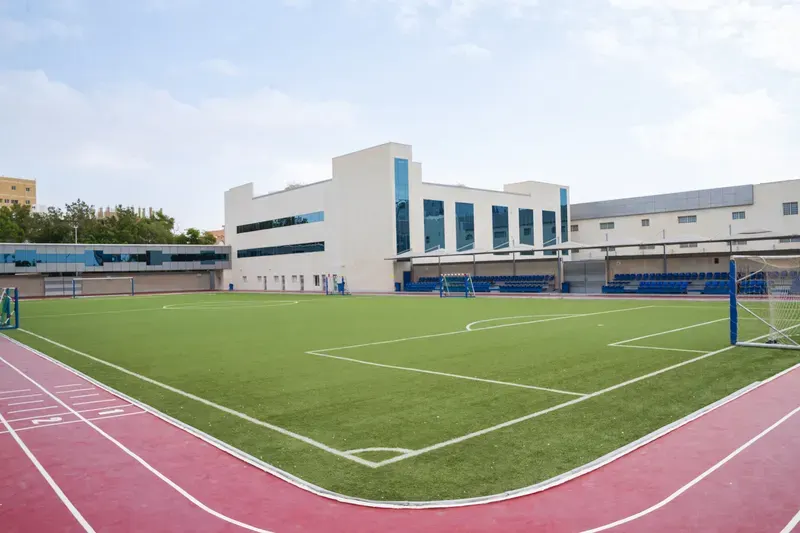
JKIS sits in Al Salamah and has the distinction of being the first IB Continuum school in Saudi Arabia. It runs PYP, MYP, and IB Diploma alongside an American Diploma pathway, which gives families flexibility if they are not certain which route suits their child. Around 2,000 students, CIS and NEASC accredited. Fees run from SAR 22,050 (Toddlers) to SAR 64,800 (Grade 12), making it meaningfully cheaper than AISJ or BISJ at the upper school level. For families who want a strong IB pathway but are not on a full corporate package, it deserves a serious look.
Thamer International Schools
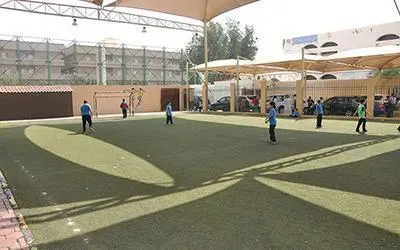
Thamer operates in Al Salamah with around 3,575 students and offers both British and American curricula on a single campus. Cambridge IGCSE and A-Level on one track, SAT and AP on the other. Multiple Cambridge Outstanding Learner Awards sit in its record. The school is co-educational to Grade 4, then segregated from Grade 5 by gender as required by Saudi regulations - a practical point to know if you have children at different stages. Fees run from SAR 25,000 (KG) to SAR 44,000 (Grade 12), which makes it one of the more accessible options for families who want a Cambridge curriculum without paying BISJ prices.
Sherborne School Jeddah
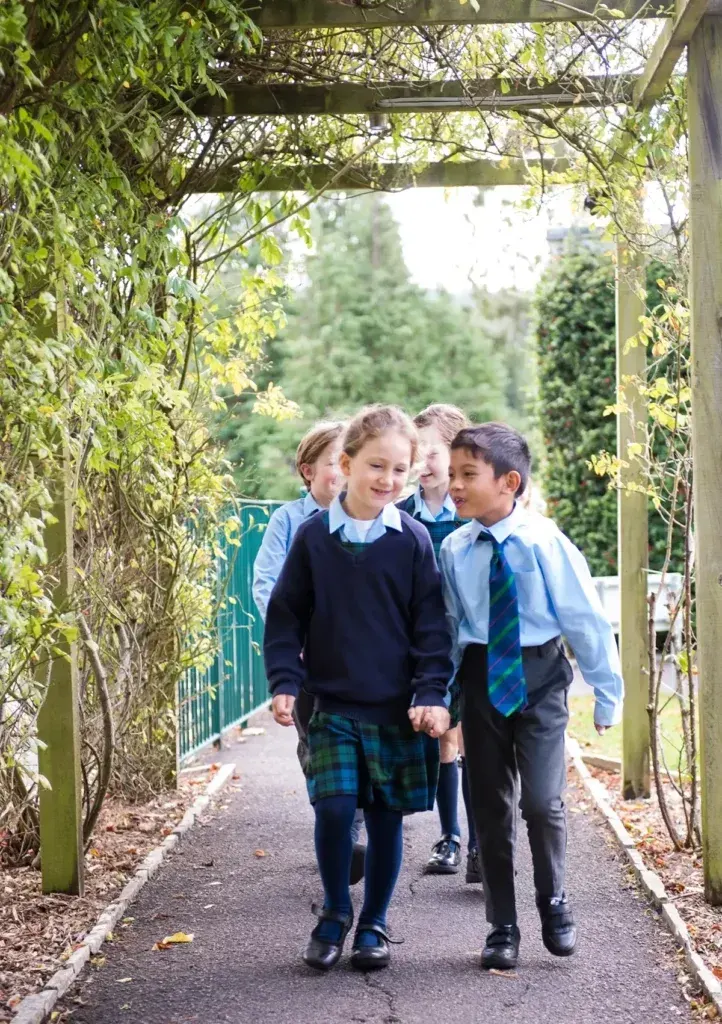
Sherborne Jeddah is the newest entrant here, having opened in August 2025 in the Ar Rawdah district. It operates in partnership with Sherborne School in Dorset - one of England's older independent schools - and currently runs from FS1 to Year 7, expanding one year group at a time. For families with younger children who want a strong British prep school environment and are comfortable with the school still building its track record, it is a credible option. Fees for 2025-2026 run from SAR 30,435 (FS1) to SAR 64,565 (Year 7). Those are founding-year fees; confirm directly for the years ahead.
Dar Jana International Schools
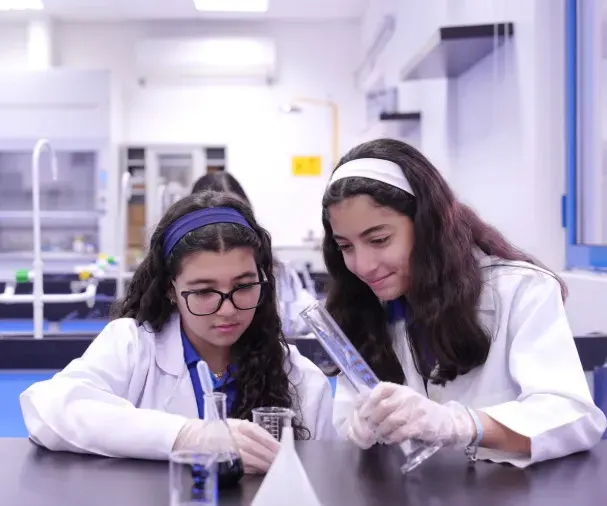
Dar Jana is one of the largest international schools in Jeddah, with over 5,000 students across three campuses serving boys, girls, and nursery. It runs the US curriculum with AP courses and IB PYP, and is Cognia-accredited. Fees run from SAR 20,500 (KG1-3) to SAR 39,000 (Grade 12) - significantly lower than the British schools and AISJ. For families on self-funded packages or tighter budgets who want recognised qualifications and an English-medium education, it warrants inclusion.
German International School Jeddah
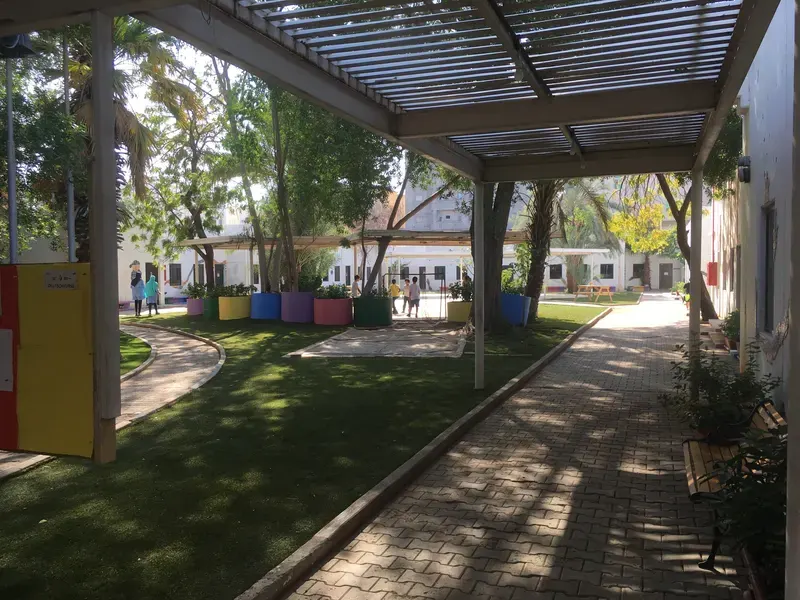
DISJ operates for the German-speaking community in Jeddah. It runs full German-language instruction from Kindergarten through Grade 10, then the German International Baccalaureate (GIB) for the final two years. A small school - around 155 students - with a 100% pass rate on the Baccalaureat in recent years. Fees run from SAR 26,335 (Kindergarten) to SAR 65,780 (GIB/IB). Only relevant to German-speaking families, but included for completeness.
Where people live
International families in Jeddah tend to cluster in a few districts, partly by school geography and partly by compound availability.
Al Mohammadiyah and Al Rawdah
The district where most of the older-established compounds sit. Al Mohammadiyah in particular has a high density of international families. Both BISJ and AISJ are nearby, which makes it convenient for the two most popular school tracks. Compounds vary considerably in age, facilities, and price. Rents have risen with demand from Vision 2030 investment but remain more affordable than comparable Gulf cities.
Al Hamra
A coastal district along the Red Sea, more mixed residential than Al Mohammadiyah but popular with families who want proximity to JPGS or the corniche. Some of the better compounds here have sea views. The drive north to Al Mohammadiyah is manageable in non-rush-hour conditions.
Al Salamah
Further south than the other main clusters, Al Salamah is home to JKIS and Thamer, and has a mix of compounds and private villas. Slightly more space for your money. Families who send their children to the larger volume schools in this area tend to settle here rather than commuting across the city.
Compounds versus private housing
Most newly arriving international families start in compounds. The appeal is straightforward: security, English-speaking neighbours, pool access, and a ready-made social network. Once families have their bearings, some move into private villas, which offer more space for roughly similar money. The compound route is particularly useful in the first year, and many families stay in them for the duration of their posting.
On the commute
Jeddah's traffic is real. Morning school run is manageable if you are in the right district, less so if you are crossing the city. Most of the established schools run buses, which take the daily logistics pressure off parents. The sensible approach is to choose your compound around the school, not the other way around.
Practical notes
Iqama and registration: Your employer will handle the iqama (residence permit), but timelines vary. Nothing else falls into place until it is issued - bank accounts, school registration, driving - so understand where things stand before you arrive. Most companies know how this works, but press your HR team if you are not getting clear answers.
Driving: Women have been driving in Saudi Arabia since 2018. In practical terms, Jeddah is a car-dependent city and families here use private cars or compounds with transport for most movement. Ride-hailing apps work well if you do not have a car yet.
Healthcare: Private hospitals are the standard choice for international families. King Faisal Specialist Hospital is the most well-known. Saudi German Hospital and Dr Soliman Fakeeh Hospital are both well-regarded and used by the international community. Most corporate packages include private health cover; check what yours includes before you arrive, as standards and networks vary considerably.
Schooling fees and VAT: Saudi Arabia introduced 15% VAT in 2020. The treatment for school fees can vary - some fees are quoted inclusive, some exclusive. Check whether quoted fees include VAT. The difference at the higher end can be SAR 10,000-15,000 per year, which matters.
Cost of living: Jeddah is not cheap for international families on compound living. Accommodation, school fees, and a car take most of a package. Eating and shopping can be very affordable, and domestic help is common and relatively inexpensive. Families on strong corporate packages do well; self-funded families need to budget carefully.
FAQs
Which is the best international school in Jeddah? There is no single answer because it depends on curriculum preference and your children's age. BISJ is the strongest established option for families on the British track, with longevity, non-profit governance, and an IB sixth form. AISJ is the natural choice for American-curriculum families. JPGS is worth looking at specifically if A-Levels and UK university entry are the goal. JKIS sits in the middle at a lower price point with a good IB Continuum.
Is the British or American curriculum better for Jeddah? British curriculum is more common and has deeper roots in Jeddah. BISJ and JPGS between them have been here for decades and have strong university placement records. American curriculum suits families already in the US system or targeting US universities specifically. Both tracks are credible; the choice depends on your circumstances and where your children are heading afterwards.
How early should I contact schools? Before you accept the posting, if possible. Popular year groups - particularly early primary and the IB entry years - can be tight, especially at BISJ and AISJ. Register interest as soon as you have a rough sense of arrival date, even if the exact timing is not confirmed. Schools will hold a place in some cases; they cannot hold air.
Do I need to live near the school? In practice, most families choose accommodation with the school commute in mind. Jeddah's traffic is not Dubai-level, but it is also not trivial. The school bus networks cover most of the main residential districts, which resolves the logistics for the children. Proximity matters most if you are doing the school run yourself and working across the city.
Are there IB schools in Jeddah? Yes. BISJ offers the IB Diploma in sixth form alongside Cambridge IGCSE. JKIS runs the full IB Continuum - PYP, MYP, and Diploma. DISJ (German school) offers the German IB in its final two years. For families specifically wanting the IB Diploma, all three are options at different price points.
What are typical school fees in Jeddah? The established English-medium schools run from roughly SAR 30,000 to SAR 105,000/year depending on school and year group. In USD terms, that is approximately USD 8,000-USD 28,000. VAT treatment varies between schools, so check what the quoted figures include. Corporate-package families are typically covered; self-funding families should add fees to their overall cost-of-living calculation early.
Fees correct as of May 2026. Exchange rate used: approximately USD 1 = SAR 3.75 (fixed peg, indicative for comparisons in text). We work hard to make every figure, date and description on this page accurate. We don't always get it right. If you spot an error - a fee that has changed, a fact that is out of date, something we have got wrong - please tell us. Use the feedback button above or email us directly. We will check it and update the article.