Notes / Istanbul
Best International Schools in Istanbul: The 2026 Guide for Families
Istanbul is a serious relocation, not a straightforward one. School choice is part of the homework, and getting it right means knowing more than just which names come up first in a search.
Comparison table
| School | Curriculum | Ages | Fees range (USD) | Notes |
|---|---|---|---|---|
| The British International School Istanbul | IB, British, Cambridge | 2.5-18 | 18,700–46,035 | Sarıyer (Zekeriyaköy) |
| Istanbul International Community School | IB, AP | 3-18 | 25,300–53,790 | Sarıyer (Hisar) / Hadimköy (Marmara) |
| MEF International School Istanbul | IB, British, Cambridge | 3-18 | 25,971–50,891 | Levent |
| Istanbul International School | British, Cambridge, IGCSE | 4-18 | 23,650–36,025 | Üsküdar (Asian Side) |
| ENKA Schools Istanbul | IB, AP, Turkish | 3-18 | 15,697–29,226 | Istinye (Levent & Etiler) |
| Koç School | IB, American | 5-18 | 17,491–48,651 | Asian Side |
| Robert College | IB, American, AP | 14-18 | 21,246–49,397 | European Side |
Fees converted to USD at indicative 2026 rates. Verify current figures with each school.
TL;DR
- Istanbul's international schools cluster on the European side, mainly in Sarıyer, Levent, Etiler, and Beşiktaş. There are a handful of options on the Asian side, but the cross-continental commute is a real daily constraint.
- The IB is the dominant framework among fully international schools. British and Cambridge curricula are also well represented. American and Canadian options exist but are fewer.
- Fees are USD-invoiced at most international schools, which matters given Turkish lira volatility. Expect USD 17,000-USD 49,000/year for the fully international options, with Turkish-operated schools running considerably lower.
- Some popular schools receive more enquiries than places available. Contact schools well before your move rather than assuming availability.
The city
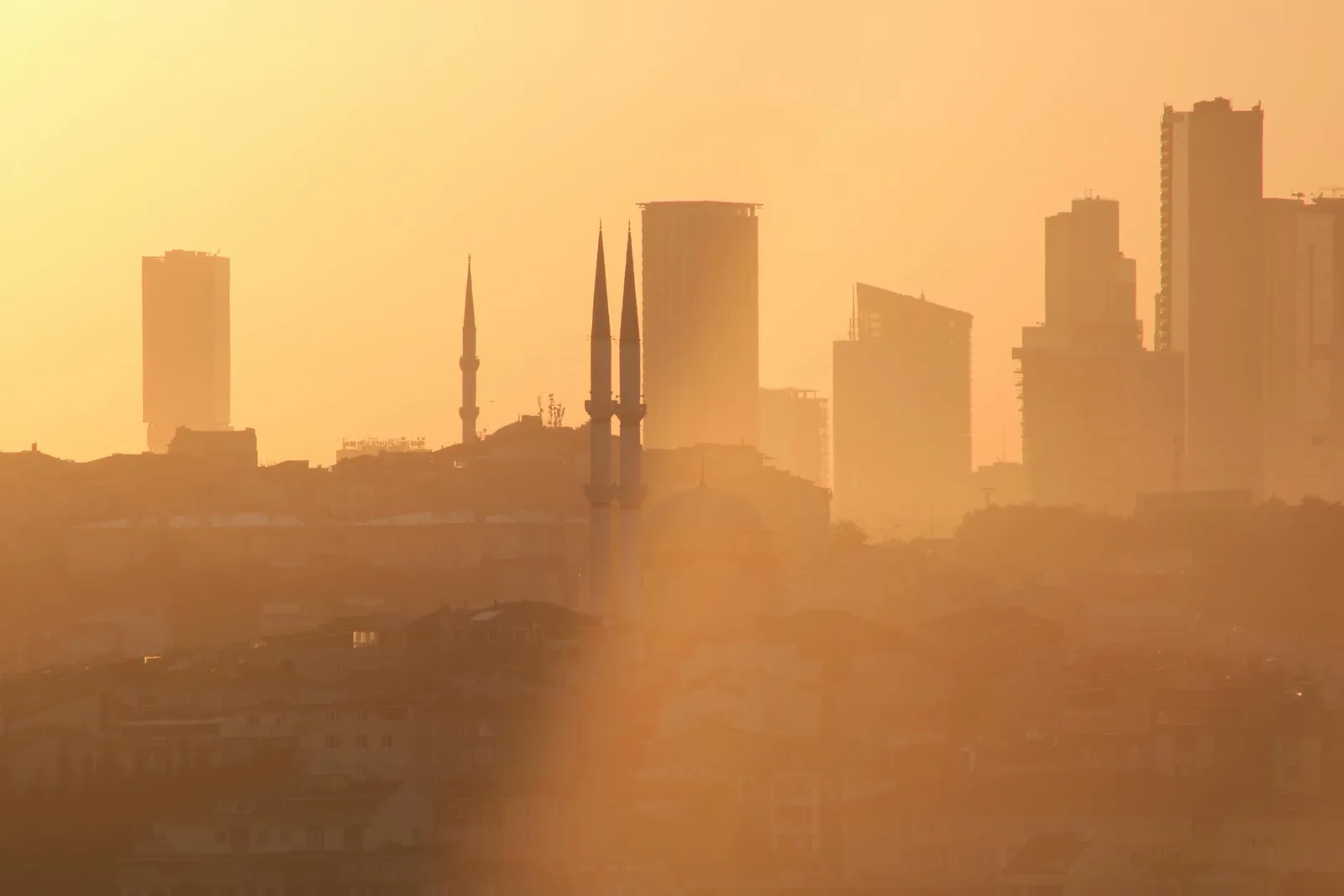
Istanbul spans two continents. The European side holds the majority of international schools, most of the established expat residential areas, and most of the commercial and professional activity. The Asian side is residential and quieter, and some families love it. But if you are choosing an Asian-side school and European-side apartment, or vice versa, plan carefully: the Bosphorus bridge crossings are among the most congested in the world and a 20km journey can easily take 90 minutes at the wrong time of day.
The city is vast in a way that surprises newcomers. Istanbul has around 16 million people and the traffic reflects that. School location and home location need to be considered together, not separately.
Turkish is the language of daily life, and outside the expat residential clusters and international schools, English is limited. Menus, doctors, banks, government offices - most of these run in Turkish. Families who arrive expecting a Dubai or Singapore level of English-language infrastructure will need to adjust. That said, Istanbul has a well-established international community, particularly in the northern European-side neighbourhoods, and you will not be the first family to arrive without any Turkish.
The cost of living is lower than western Europe for eating out, domestic help, and many services - but this doesn't apply to international school fees or imported goods. Families on corporate packages invoiced in USD or EUR are largely insulated from lira volatility. Self-funding families should think carefully about fee currency: schools that invoice in lira pass on real exchange risk, schools that invoice in USD do not.
Istanbul has excellent food, extraordinary history, and a cultural depth that most cities cannot match. For families willing to put in the effort to understand it, it is one of the most rewarding cities in the world to live in. It doesn't make itself easy, though.
The schools
A note on how we've approached this: Istanbul has a large number of Turkish private schools that offer IB programmes alongside Turkish national credentials. They are good schools - ENKA, Koç, Robert College, Hisar - but their admissions processes and student bodies differ from fully international schools. We cover both, but we flag the distinction where it matters.
The British International School Istanbul

The British International School Istanbul sits in Zekeriyaköy in Sarıyer, on the edge of Belgrade Forest. The campus has outdoor sports facilities and room to breathe - a different feel from the denser urban campuses elsewhere in the city. The school runs British curriculum through IGCSE and offers the IB Diploma in the sixth form, and holds triple accreditation from CIS, COBIS, and MSA-CESS. Class sizes cap at 12, which is small by any standard, and there are around 55 nationalities in a student body of approximately 600. That combination of small classes, genuine curriculum rigour, and a forested setting is fairly rare at this price point.
Fees run approximately USD 17,000-USD 45,000/year depending on year group, with early years at the lower end and IB sixth form at the top. Families on the school circuit consistently mention the pastoral care and the community feel. It draws heavily from families living in the Sarıyer and Zekeriyaköy corridor, but the school runs transport that extends the catchment considerably.
Istanbul International Community School
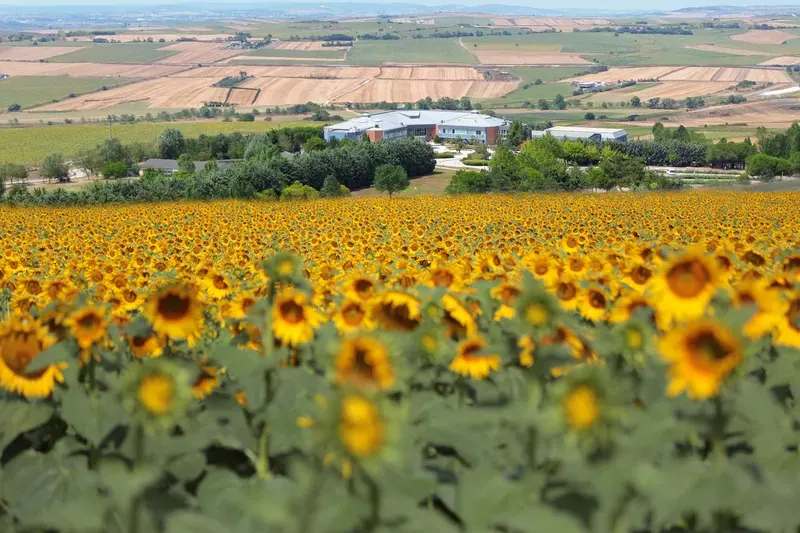
Istanbul International Community School has been operating since 1911 and was the first school in Turkey to offer all three IB programmes - PYP, MYP, and the Diploma. It runs across two campuses: a compact Hisar campus in Sarıyer and a larger, greener Marmara campus in Hadimköy to the west of the city. The Marmara campus is further out but has space the Hisar campus doesn't. Both sites serve the full 3-18 age range.
Fees are at the top of the Istanbul international market at USD 23,000-USD 49,000/year. University counselling is a particular strength, and families who have been through the system mention it consistently. With around 70 nationalities across both sites and a genuinely international student body, this is one of the more obvious choices for families who want full IB continuity and have used the programme elsewhere. Worth contacting early - places at certain year groups don't always hold.
MEF International School Istanbul
MEF International School Istanbul is a single-campus school in Levent, which puts it centrally placed for families living in Levent, Etiler, Beşiktaş, and Maslak. It offers both British curriculum and the full IB continuum from early years through IB Diploma, and holds accreditation from CIS and NEASC. A major renovation completed in 2025-2026 upgraded the facilities significantly. Families who joined more recently mention improved parent communication and a more settled feel than a few years ago - it's a school that has visibly invested in improving itself.
Fees run USD 20,000-USD 46,000/year. For families who want a central European-side location, an IB-aligned programme, and don't want to commute out to Sarıyer every day, MEF is worth a serious look. The student body is around 400 across the full age range, which keeps it on the smaller side of the Istanbul international schools.
Istanbul International School
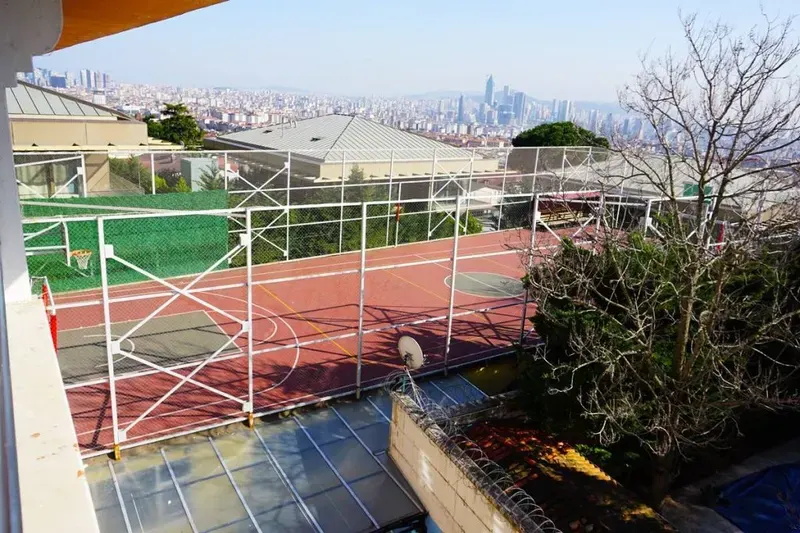
Istanbul International School takes an unusual position in this market: it is a Cambridge-accredited school on the Asian side, running from Early Years through A-Levels across two Üsküdar campuses. For families living or working on the Asian side, this is the obvious English-curriculum option. It's also one of the more fee-transparent schools in Istanbul: the headline figure includes tuition, lunch, books, and materials, which makes it more comparable to competitors than it initially looks. Fees run USD 22,000-USD 33,000/year on that all-in basis.
The student body is around 350 - small enough that pastoral relationships are close, large enough to have a proper school feel. For Asian-side families wanting a British/Cambridge curriculum, this is the school to know about.
ENKA Schools Istanbul
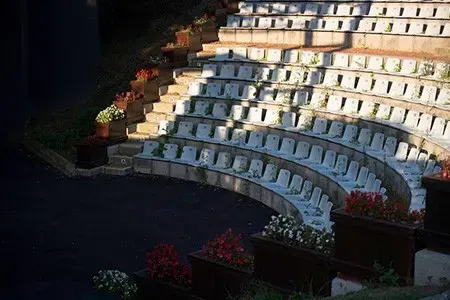
ENKA Schools Istanbul is an IB World School on a large campus in Istinye, on the European side near Sarıyer. It runs from kindergarten through IB Diploma and is one of the longest-established IB schools in Turkey. The student body is around 1,200, primarily Turkish families with international ambitions - roughly 80-90% of graduates go on to universities outside Turkey. It runs Turkish national curriculum alongside the IB framework.
Fees are USD 17,000-USD 31,000/year, which is toward the lower end of the full-service IB schools. Admissions is competitive. This is not a school aimed at the new-arrival international family in the same way BIS or IICS are, but for families settling longer-term in Istanbul, or those with Turkish family connections, ENKA is a well-regarded path to international university outcomes at a fee point below the top-tier fully international schools.
Koç School
Koç School is on the Asian side in Tuzla, a significant distance from most European-side residential areas. It is one of the most prestigious schools in Turkey full stop - a large IB World School (around 2,000 students) offering both day and boarding, with an alumni network and university placement record that are genuinely strong. Fees run USD 35,000-USD 46,000/year for day places.
The school draws primarily from Turkish families, and the admissions process is competitive. For families relocating internationally to Istanbul it matters, but the Tuzla location is a real consideration if you're planning to live on the European side.
Robert College
Robert College is a historic American-Turkish secondary school in Arnavutköy on the European side, offering high school years only (roughly equivalent to Years 9-12). It is co-educational, IB-authorised, and has one of the longest histories of any international school in Turkey - founded in 1863. Entry is by competitive examination, primarily drawing Turkish students. Fees are on the lower end at USD 15,000-USD 22,000/year.
For families arriving in Istanbul mid-secondary with a strong student, it matters. For families arriving with younger children looking for a full K-12 programme, it's not the right starting point.
A note on French and German schools
Lycée Français Pierre Loti is the only AEFE-affiliated French school in Istanbul, running nursery through Baccalauréat across two campuses. Fees sit at USD 11,000-USD 13,000/year, which makes it the most affordable genuinely international option in the city. It is the obvious choice for French families or those already in the French education system. Deutsche Schule Istanbul is Istanbul's oldest continuously operating foreign school (founded 1868), awarding the German Abitur, with means-tested fees rather than fixed grade pricing. Both schools have limited relevance for non-French and non-German families, but are worth the mention for those they serve.
Where people live
Sarıyer and Zekeriyaköy
The furthest-north of the established residential areas on the European side, and the location of both BIS and IICS's Hisar campus. Zekeriyaköy in particular has a distinct expat community feel - detached houses, Belgrade Forest access, a slower pace than the rest of Istanbul. It is not well served by public transport and you will need a car. The trade-off is space, greenery, and proximity to the best-regarded international schools. Families who end up here often say they chose the school first and found a home nearby. Three or four-bedroom villas in Zekeriyaköy rent from around USD 3,000-USD 6,000/month equivalent.
Levent, Etiler, and Bebek
The main established urban residential cluster for international families on the European side. Good restaurants, international supermarkets (including Whole Foods-equivalent options), easy access to the major employers in the Levent business district. MEF is in Levent. BIS and IICS are a 30-40 minute drive north, traffic dependent - manageable by school bus but a meaningful journey by car. Apartments in Levent and Etiler run from around USD 2,500-USD 5,000/month for a family-sized flat. Bebek is along the Bosphorus and coveted for the view and the village feel; it commands a premium.
Beşiktaş and Balmumcu
More central and more urban than Levent or Sarıyer, with the Bosphorus close and Istanbul's cultural scene accessible. Families who want to be in the city rather than a suburb often end up here. The commute to Sarıyer-based schools is real - 40 minutes on a good day, considerably more in traffic. Bus routes and school transport help. Rents are broadly similar to Levent.
Maslak
A business and residential district further north on the European side, closer to the Sarıyer schools than central Levent. More corporate, less community feel. Works well if one parent is based in the Maslak or Ayazağa office corridor.
The Asian side
Kadıköy, Moda, and parts of Üsküdar are genuinely nice places to live. Quieter, more Turkish in character, often better value on rent. Istanbul International School is the obvious English-curriculum option if you're here. The complication is anything that requires crossing the Bosphorus, which is a meaningful journey every time. Families who are both working and schooling on the Asian side find it perfectly workable. Mixed arrangements, less so.
Practical notes
Fees and currency: Most fully international schools in Istanbul invoice in USD. Given lira volatility over the past several years, this is materially important. When comparing fees, check the invoice currency first. Turkish-operated schools with lira fees may look significantly cheaper in dollar terms in a given year, but that comparison fluctuates. USD-invoiced schools provide predictability for families on hard-currency packages.
Getting set up: Turkey's residency permit process requires some patience. Non-EU nationals need an ikamet (residence permit) to access public services, and the process involves an appointment with the immigration office and a stack of translated documents. It is not fast. Start before you land if possible. A local relocation agent is worth the fee for the first few months, particularly for anyone arriving without Turkish.
Healthcare: Istanbul has strong private hospitals and the Acıbadem and American Hospital groups are widely used by the international community. Private health insurance is standard for international families and most corporate packages include it. The public system requires more Turkish-language comfort to use practically.
Transport: Istanbul traffic is genuinely brutal during rush hours, particularly on the E5 and the bridge corridors. Most international families either use school bus services (which the schools provide across wide areas) or factor school location heavily into where they live. The metro network is expanding but does not yet serve the northern European-side residential areas well. If you're driving school runs daily, build in significant time buffers.
Turkish language: The international schools operate in English, but Turkish is useful in almost every other context. Children pick it up quickly, particularly if attending school with Turkish students. For parents, even basic Turkish makes a meaningful difference to daily quality of life.
FAQs
Which international schools in Istanbul follow the IB programme? Istanbul International Community School offers all three IB programmes (PYP, MYP, Diploma) and was the first IB school in Turkey. MEF International School Istanbul, ENKA Schools, Koç School, and Robert College are all IB-authorised to varying extents. The British International School Istanbul offers the IB Diploma alongside its British curriculum at sixth form. Gokkusagi Schools and several Turkish-operated private schools also carry IB PYP or Diploma authorisation.
Are international school fees in Istanbul invoiced in Turkish lira or USD? Fully international schools (BIS, IICS, MEF, Istanbul International School) generally invoice in USD, which provides stability against lira fluctuation. Turkish-operated schools that cater primarily to local families tend to invoice in lira. When comparing fees across the market, check the invoice currency. The USD figures we quote are based on published 2025-2026 fee schedules and should be verified directly with schools before making decisions.
Do I need to live near the school in Istanbul? More so than in many cities. Istanbul's traffic makes distance a real variable, not a theoretical one. A 15km journey across the city can take 20 minutes at 7am or 80 minutes at 8:15am. Most international schools run bus services that cover large areas of the European side, and families in the Levent-Etiler-Beşiktaş corridor regularly use school transport to Sarıyer schools. If you're planning to do the school run by car yourself, school geography and home geography need to match closely.
How early should I apply? Earlier than you think. Some schools at particular year groups receive more applications than they can accommodate, and a good number of places are filled well before the academic year begins. Contact schools as soon as your move is confirmed - or before, if you're able to. Waiting until you arrive to start the process is a risk worth avoiding.
Is the Asian side viable for international families? Yes, with the right setup. Kadıköy and Üsküdar are pleasant, well-resourced, and often better value than equivalent European-side areas. Istanbul International School in Üsküdar is the main English-curriculum option. The constraint is anything requiring a cross-Bosphorus journey - commutes, after-school activities, social plans on the other side. Families where work and school are both on the Asian side find it works very well. Mixed arrangements need more planning.
What is the typical total cost of international schooling in Istanbul? Beyond headline fees, expect uniform costs, activity fees, and transport (school buses typically run USD 1,500-USD 3,000/year) on top. For fully international schools, the all-in cost for one child typically runs USD 20,000-USD 55,000/year depending on year group and school. Istanbul is not the cheapest international school market in the region, but it is cheaper than Singapore, Hong Kong, or Geneva for comparable provision.
Fees quoted are based on published 2025-2026 information from school websites and are indicative. USD equivalents for lira fees use approximate rates as of May 2026 and will fluctuate. We work hard to make every figure, date and description on this page accurate. We don't always get it right. If you spot an error - a fee that's changed, a fact that's out of date, something we've got wrong - please tell us. Use the feedback button above or email us directly. We'll check it and update the article.