Notes / Doha
Best International Schools in Doha: The 2026 Guide for Families
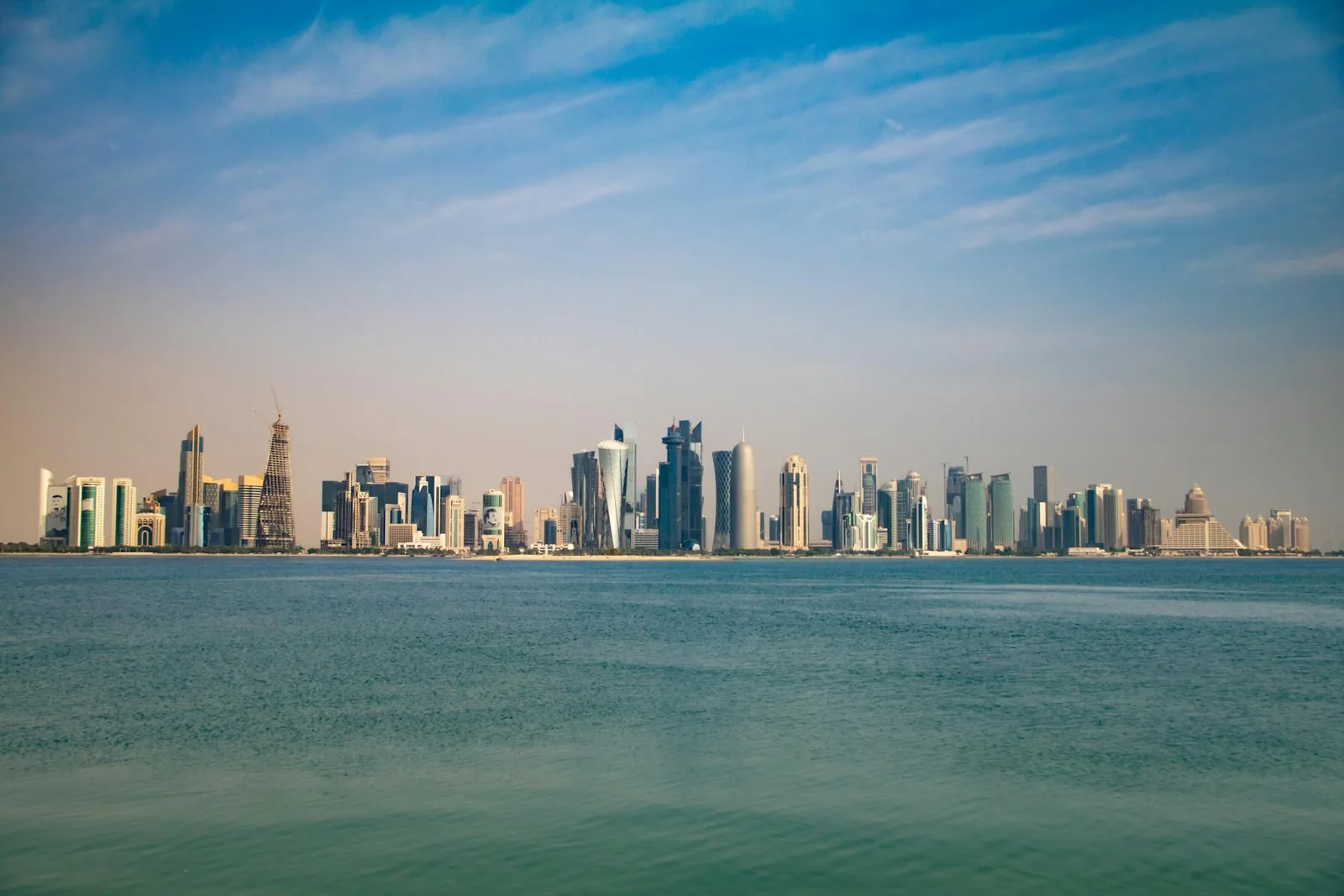
Doha's international school market is smaller than Dubai's but more straightforward. A handful of genuinely strong schools, a compact residential belt, and a post-World Cup city that has settled into a rhythm.
Comparison table
| School | Curriculum | Ages | Fees range (USD) | Notes |
|---|---|---|---|---|
| Doha College | British | 3-18 | 10,767–20,561 | Al Wajba |
| American School of Doha | IB, American | 3-18 | 10,047–21,787 | Al Waab |
| Qatar Academy Doha | IB | 2-18 | 12,646–20,482 | Education City, Ar-Rayyan |
| Doha British School (Ain Khaled) | IB, British, Cambridge | 3-18 | 6,422–18,457 | Ain Khaled |
| Sherborne Qatar | British | 3-18 | 9,615–18,146 | Other Doha |
| Compass International School Doha | IB, British, Cambridge | 3-18 | 12,363–18,775 | Madinat Khalifa |
| International School of London Qatar | IB | 3-18 | 14,955–21,364 | Other Doha |
| Swiss International School Qatar | IB | 3-18 | 15,316–20,334 | Al Luqta |
Fees converted to USD at indicative 2026 rates. Verify current figures with each school.
TL;DR
- British and IB curricula dominate. There is one established American school. A handful of schools offer both.
- Most families on corporate packages end up in Al Waab, West Bay Lagoon, or The Pearl. The school belt runs through Al Waab and out toward Al Wajba, which is not far.
- Fees for the well-regarded English-medium schools run roughly USD 13,000-USD 26,000/year for the oldest year groups. Qatar regulates school fees; schools cannot raise them freely.
- Doha College and the American School of Doha are the two established anchors. Everything else sits around them.
- The heat is real and the city is car-dependent. Both matter when choosing where to live relative to school.
The city
Doha is a Gulf posting with a difference. The infrastructure is excellent, the city is clean and safe, and post-World Cup there is more to do than there used to be. The international community is large and settled, and most of the corporate packages here are substantial. That said, the heat from May to September is not a minor inconvenience. It is 42°C and humid, the city closes in on itself, and your social life moves indoors or vanishes. Families who struggle with that tend not to renew.
The city is built around the car. There is no metro to speak of for the residential areas families use, and almost everything involves a drive. The Pearl, West Bay Lagoon, and Al Waab - the three main residential clusters for international families - are all reasonably well connected by road, and the distances are not large. But you will be driving twice a day for the school run, and in summer that means going from air-conditioned house to air-conditioned car to air-conditioned school and back. It is a specific lifestyle. Most families adapt; some never quite do.
Qatar regulates international schools. The Supreme Education Council sets the framework, schools require MEHE accreditation, and fee increases are not at the school's discretion. That fee regulation matters: it means costs are more predictable than in, say, Dubai, where schools with strong demand can push fees up sharply.
Arabic is compulsory at all schools operating under the Qatar national framework. The hours vary, but do not expect to opt out entirely. Most families find it is a modest imposition; a few find it grating.
The schools
Doha College
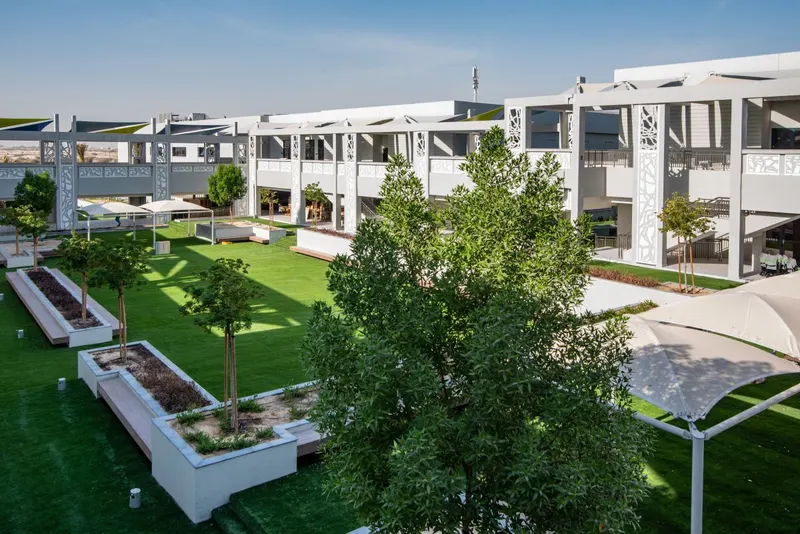
Doha College is the standout British school in Qatar on any metric that matters. It is the only not-for-profit British school in the country, rated Outstanding in every category in its 2023 BSO inspection, and the only Qatar school to appear in the Spear's Top 100 global schools index for both 2025 and 2026. The not-for-profit status is worth pausing on: fees go back into the school, not to a group's shareholders. It shows.
The campus is in Al Wajba, which is slightly further from the main residential clusters than some families would like, but parents who have made the drive say it stops being an issue quickly. A single campus takes students from FS1 through Year 13, with IGCSE and A-Level in the senior school.
Fees run from around USD 13,000/year for Early Foundation to approximately USD 22,000/year for Sixth Form (QAR 47,000-QAR 80,000 at current rates). Given the school's profile, demand for places is consistently strong. Contact the admissions team well before your intended start date.
American School of Doha
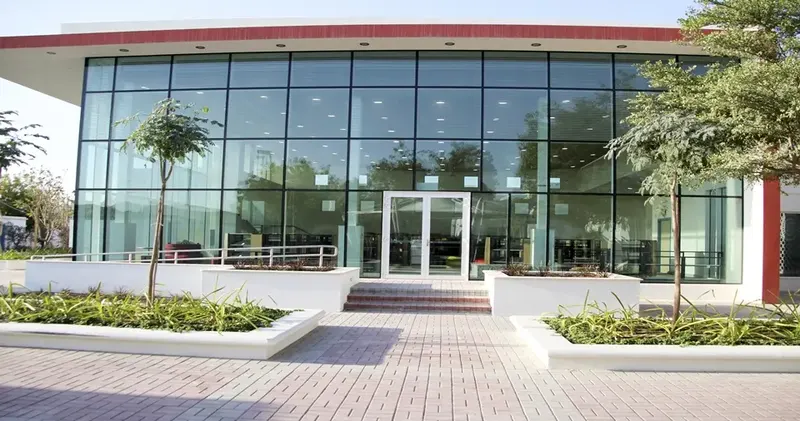
The American School of Doha is the other anchor school in the market. Founded in 1988 and NEASC-accredited, it sits on a large campus in Al Waab - the heart of the international family residential belt - and takes around 2,250 students from 80-plus nationalities. The American curriculum runs through the senior school, with both AP and IB Diploma as exit options.
ASD is where most US-curriculum families end up, and also where a significant chunk of the oil-and-gas corporate community lands on arrival. It has the feel of an established school rather than a start-up, which is a comfort when you're arriving without knowing anyone. The Al Waab location means the school is close to where most of its families live, and the campus is well resourced.
Fees run from around USD 13,000/year for Pre-K through to USD 26,000/year at Grade 12 (QAR 47,000-QAR 95,000). The school is not easy to get into mid-year; families relocating on a fixed timeline should apply as soon as a move is confirmed.
Qatar Academy Doha
Qatar Academy Doha occupies its own corner of the market. It is Qatar Foundation's flagship school, based in Education City in Ar-Rayyan, triple-accredited (IB, CIS, NEASC), and has been running for over 30 years. The full IB continuum from Early Education through Grade 12, selective admissions, and direct access to the QF university and research campus make it a genuinely different environment.
Education City is not in the same part of Doha as the main residential belt. It sits west of the city, and the drive from The Pearl or West Bay Lagoon is 25-30 minutes. Families who choose QAD sometimes move closer to it; families who stay in the main residential clusters report it as manageable but constant. Worth factoring in before you apply.
The facilities are significant - an Olympic 50m pool, four football pitches, and the full benefit of being embedded within Qatar Foundation. The IB focus runs all the way through; this is not a school that treats the Diploma as an afterthought. Fees sit in the USD 13,000-USD 21,000/year range (QAR 47,000-QAR 76,000), making it competitive against the other IB options in the market.
Doha British School (Ain Khaled)
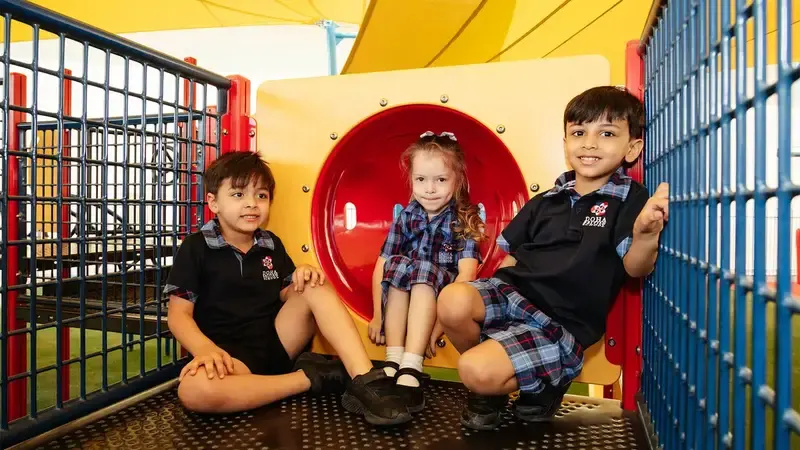
Doha British School is the original DBS campus, founded in 1997 in Ain Khaled. BSO-recognised (2024) and CIS-accredited (2025), it serves around 1,970 students from Pre-School through Sixth Form following the British curriculum, with IB Diploma available at senior level.
DBS is the more accessible British option for families who find Doha College oversubscribed or whose budget sits in the USD 9,000-USD 18,000/year range (QAR 33,000-QAR 65,000). It is a large school with the strengths and limitations that come with that: broad co-curricular provision, a well-established pastoral structure, and the kind of community that forms when a school has been in the same place for nearly three decades. A second DBS campus in Al Wakra (which is south of the city) serves families who live further out.
Sherborne Qatar
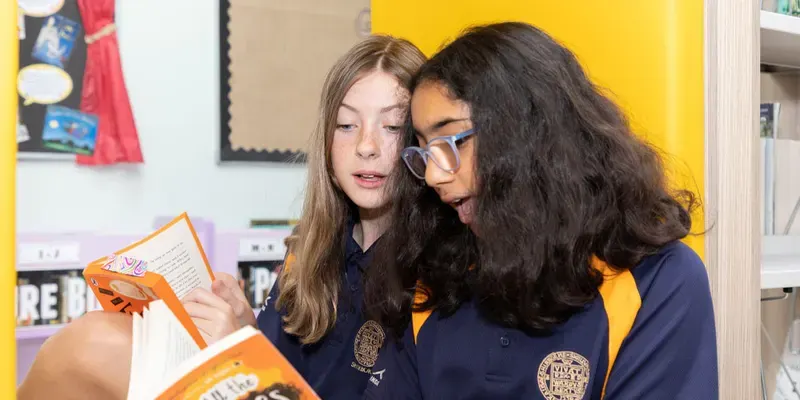
Sherborne Qatar is the premium British option. It operates in Al Rayyan in partnership with Sherborne School in the UK, with separate senior schools for boys and girls. Fees reach QAR 80,000-QAR 95,000/year at the senior end (approximately USD 22,000-USD 26,000), putting it at the top of the Doha fee table.
The Sherborne connection brings a particular character: more traditional, academically focused, and with a sixth form that takes UK university admissions seriously. Families who want a British independent school feel within a Gulf posting - rather than a large international campus - tend to find it here. It is not the right choice for everyone, and the fees mean it sits firmly in the corporate-package tier.
Compass International School Doha
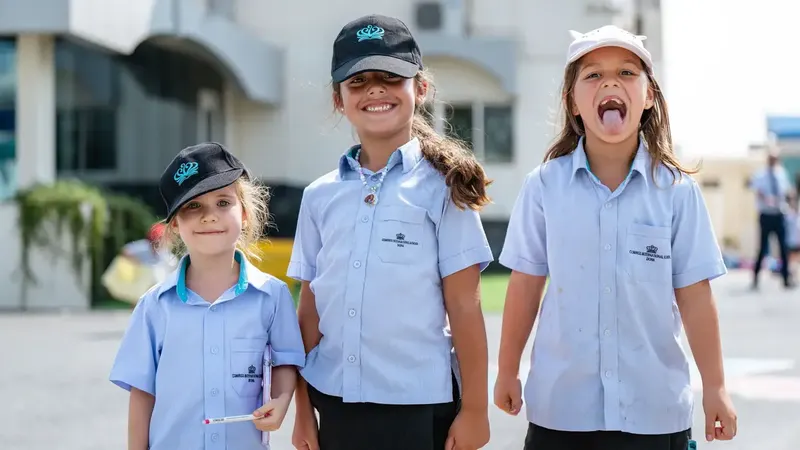
Compass International School Doha is part of Nord Anglia Education, operating across two Doha campuses: Madinat Khalifa and Themaid. The British curriculum runs from EY1, with IB Diploma offered at the Themaid campus through Year 13. Around 1,500 students across 80-plus nationalities, average class size of 23.
Compass benefits from the Nord Anglia group's resources - MIT collaboration for STEM enrichment, Juilliard for performing arts - which gives it a broader programme than a standalone school of similar size might manage. For families who have been in the Nord Anglia system elsewhere, the consistency is a practical comfort. Fees run from approximately USD 13,000/year at Entry Level to USD 20,000/year at the IB stage (QAR 47,000-QAR 73,000).
International School of London Qatar
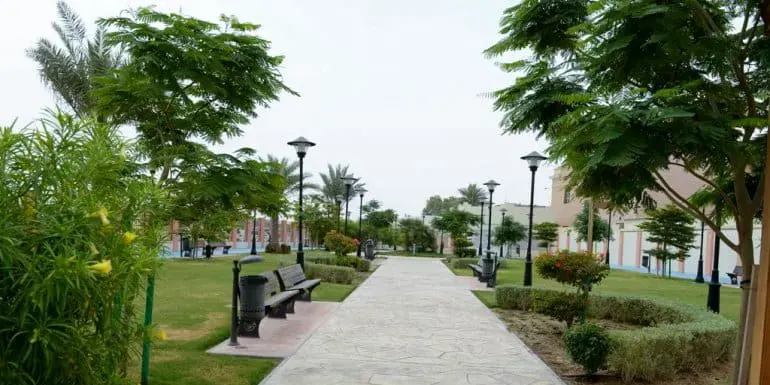
ISL Qatar runs the full IB continuum from Early Childhood through Grade 12, serving around 1,190 students from 80-plus nationalities in North Duhail. The top IB score in the school's recent cohort reached 43 points, against a global average of 30. Home language programmes are available in 13 languages, which matters for families who want their children's first language actively maintained rather than squeezed out by the English-medium environment.
ISL is a quieter presence in the market than ASD or Doha College, but families who prioritise the IB and multilingual provision tend to find it. The North Duhail location is not in the main residential cluster, so the drive is worth mapping before you commit. Fees sit in the USD 15,000-USD 21,000/year range (QAR 55,000-QAR 76,000).
Swiss International School Qatar
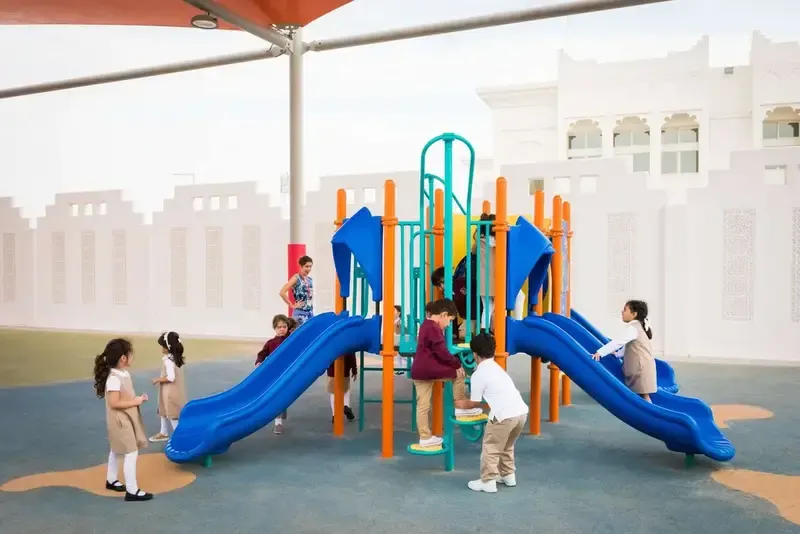
SISQ is the smallest school on this list and deliberately so. Around 830 students in Al Luqta, full IB continuum, CIS-accredited, and trilingual: English, French, and German, with Arabic taught throughout. The Class of 2025 collected over 170 university offers across 15 countries. For families with a multilingual household, or those targeting the IB Diploma in a smaller, more deliberate environment, it deserves a serious look.
The trade-off is scale. SISQ does not have the co-curricular breadth of ASD or the established community of Doha College. It is a school for families who know what they want and whose priorities align with what it offers. Fees run USD 15,000-USD 20,000/year (QAR 55,000-QAR 73,000), competitive for an IB school of this quality.
Where people live
Al Waab and Madinat Khalifa
Al Waab is the core international family cluster. Villas, compounds, good access to ASD, and reasonable distances to most of the other schools. Families who arrive without a specific housing brief tend to be pointed here first, and a lot of them stay. Madinat Khalifa sits just east and has a similar feel: more residential, slightly less frenetic than West Bay. A four-bedroom villa in a compound in either area runs roughly QAR 12,000-QAR 18,000/month depending on the compound and the fit.
The Pearl and West Bay Lagoon
The Pearl is Doha's prestige address. Apartments and townhouses on a man-made island, walkable in winter, very much not in summer. It is popular with couples and smaller families; families with older children who want outdoor space sometimes find it tight. West Bay Lagoon is the alternative: a gated residential enclave just north of the West Bay financial district, with direct lagoon access and a genuine sense of community. Both areas are well served by the main international schools, though the drive to Doha College or QAD is longer than from Al Waab.
Education City corridor
A smaller cluster of families based themselves near Education City, particularly those with children at Qatar Academy Doha. The area is quieter than the main residential belt and the commute to the Pearl or Corniche for work is real. For families who are there primarily for the school and do not need to be in the social centre of the international community, it works well.
On the commute question
Doha is not large by Gulf standards. Most school drives from the main residential areas are 15-25 minutes in normal traffic. Rush hour on the major routes (particularly the D-ring road) can stretch that, but it is nothing like Dubai. Most of the international schools run bus services covering the main residential areas, which takes the daily logistics off the table for families who use them. The more relevant consideration is summer: long car journeys with young children in 42°C heat are unpleasant even in air conditioning. Schools close earlier in the day from spring onwards partly for this reason.
Practical notes
Visas and residency: Your employer sponsors your visa. The Qatar ID (QID) is what you need for everything - school enrolment, bank account, driving licence. Processing times vary; push your HR team to move early, as schools need the QID for full registration.
Healthcare: Private healthcare in Doha is good and widely used by international families. Most corporate packages include health insurance, and the major private hospitals - Sidra, Hamad Medical Corporation's international units, and the private clinics in West Bay - are English-language. The public system works but is not where most international families end up.
Cost of living: The headline costs are the school fees. Outside of that, Doha is relatively affordable: rent on a corporate package is often covered, supermarkets are well stocked and not expensive, and eating out at mid-range restaurants is cheaper than London or Singapore. Alcohol is available in licensed venues (hotels, certain clubs) and costs roughly three to four times the UK price. Budget around QAR 18,000-QAR 25,000/month for a family of four before school fees and rent, depending on lifestyle.
Summer: Most families leave for June, July, and part of August. Schools break in late May or early June. This is not optional for anyone with children; the city empties. Factor the cost of two households - or extended travel - into your budget for the posting.
Arabic in school: All accredited schools under the Qatar framework include Arabic instruction. The hours are not overwhelming at primary level - usually four to six hours a week - but they are there. Children who arrive without any Arabic pick it up faster than parents expect, and most schools have EAL support for children joining with limited English.
FAQs
What are the two main international schools in Doha? Doha College and the American School of Doha are the two schools that have anchored the market for longest. Doha College is the leading British option and the only not-for-profit British school in Qatar. ASD is the flagship American-curriculum school and is NEASC-accredited. Both have established reputations and consistent demand for places.
Is Qatar Academy Doha a good school? Yes, though it is a different kind of school from Doha College or ASD. It is Qatar Foundation's flagship IB school in Education City, selective in admissions, and triple-accredited. The location in Ar-Rayyan is further west than the main residential belt, which matters for the daily commute. Families who want a full IB continuum in a school with genuine academic rigour and strong facilities tend to find it worth the drive.
How do school fees in Doha compare to Dubai? Doha fees are generally lower than Dubai's top schools, and fee increases are regulated by the government - schools cannot raise fees freely. The top end of the Doha market runs around USD 22,000-USD 26,000/year. In Dubai, the comparable schools are at USD 25,000-USD 35,000/year or higher. The regulated environment makes Doha fees more predictable across a posting.
Do Doha international schools require Arabic? All schools operating under the Qatar national framework include Arabic instruction. The hours vary by school and year group, but you cannot opt out entirely. At primary level it is typically four to six lessons a week. Most children who arrive without Arabic make reasonable progress; families concerned about the load should ask each school directly about the primary Arabic hours before enrolling.
Which Doha neighbourhoods do international families live in? The main clusters are Al Waab and Madinat Khalifa (closest to ASD and most of the British schools), The Pearl (prestige apartment living, popular with couples and smaller families), and West Bay Lagoon (gated villas, strong community feel). A smaller number of families base themselves near Education City for proximity to Qatar Academy Doha. Most driving distances to the major schools from these areas are 15-25 minutes in normal traffic.
When should I apply to Doha schools? As soon as a move is confirmed - and earlier if you can. Popular year groups at Doha College and ASD can have waiting lists, particularly for mid-year arrivals. Schools can advise on current availability, but do not assume a place will be free when you land. For September entry, starting the process in January or February of the same year is sensible. For January entry, the September before.
Fees quoted are approximate and based on published 2025/26 schedules. Exchange rate used: approximately QAR 3.64 per USD 1 (fixed rate). We work hard to make every figure, date and description on this page accurate. We don't always get it right. If you spot an error - a fee that's changed, a fact that's out of date, something we've got wrong - please tell us. Use the feedback button above or email us directly. We'll check it and update the article.