Notes / Brussels
Best International Schools in Brussels: The 2026 Guide for Families
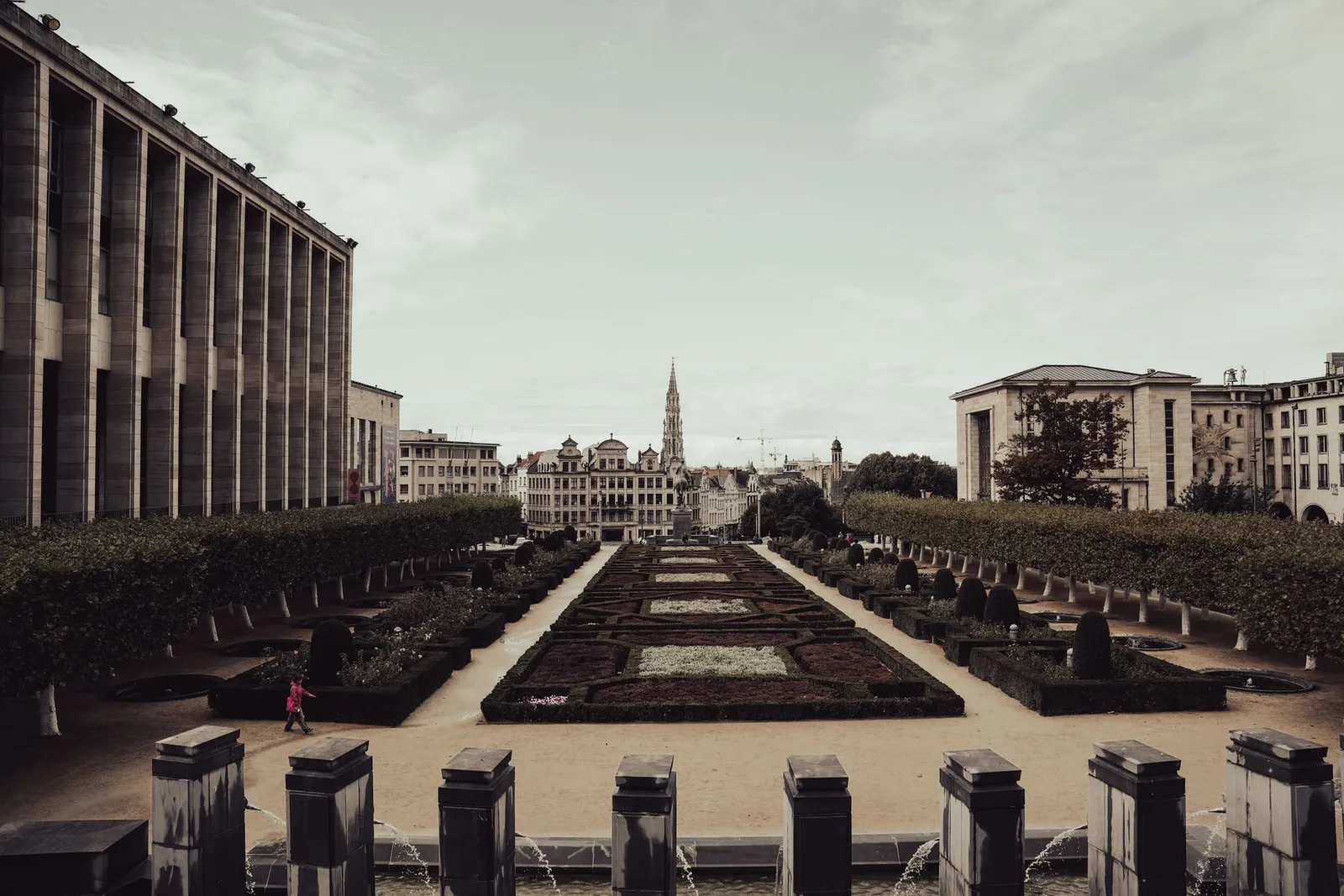
Brussels has one of the most developed international school markets in Europe, shaped by decades of EU institutions and NATO headquarters drawing families from every corner of the world. The schools are genuinely strong, the city is very liveable, and there is enough geographic spread to give you real choice about where you live.
Comparison table
| School | Curriculum | Ages | Fees range (USD) | Notes |
|---|---|---|---|---|
| The British School of Brussels | IB, British | 3-18 | 22,391–50,761 | Tervuren |
| International School of Brussels | IB, American, AP | 2-18 | 24,554–54,038 | Watermael-Boitsfort |
| St. John's International School | IB | 1-18 | 15,435–48,478 | Waterloo |
| Bogaerts International School | IB | 3-18 | 13,098–26,141 | Uccle & South |
| Montgomery International School | IB | 5-19 | 28,261–36,685 | Central Brussels |
| ISF Waterloo International School | British, Cambridge, International | 2.5-18 | 15,543–26,587 | Waterloo |
| BEPS International School | IB, International | 2.5-18 | 22,065–39,772 | Uccle & South |
| British Junior Academy of Brussels | British | 3-16 | 11,760–35,387 | Central Brussels |
Fees converted to USD at indicative 2026 rates. Verify current figures with each school.
TL;DR
- IB dominates. Almost every major English-medium school in Brussels runs the IB Diploma, and several offer the full IB continuum from early years. The top schools score 35+ points, well above the global average of 30.5.
- The European Schools are the elephant in the room. If you work for an EU institution, they are probably tuition-free and genuinely good. For everyone else, they are largely closed or require a fee-paying Category III place at considerable cost.
- Most international families cluster in the south-east corridor: Tervuren, Watermael-Boitsfort, Uccle, and the broader Ixelles area. Waterloo is a distinct satellite community to the south, popular with families who want a larger property and are willing to add 30 minutes to the commute.
- Fees for the main English-medium schools run roughly EUR 20,000-EUR 50,000/year. The British School of Brussels and ISB are at the top end. Bogaerts and ISF Waterloo are meaningfully cheaper. Montgomery and St. John's sit in the middle.
- Worth applying before you arrive. The top schools fill quickly for entry at age 3-4, Year 7, and IB year.
The city
Brussels is a genuinely international city in a way that goes beyond just having a lot of foreigners. The EU institutions and NATO headquarters mean that a very large proportion of the population is living temporarily, on assignment, and dealing with the same questions you are. That creates a strong infrastructure of English-language services, international schools, and communities of families who have been through the process and are willing to help. You are unlikely to feel isolated.
The city itself is often underestimated. The architecture in the south of Brussels - particularly around Uccle, Ixelles, and the commune of Etterbeek - is beautiful. Art Nouveau houses on quiet streets, good parks, a walkable city centre, and food and restaurant culture that genuinely punches its weight for a city this size. The weather is not a selling point: grey and wet for much of the year, though that is partly a matter of expectations.
Belgium's administrative complexity is real. The country is divided into three regions (Brussels-Capital Region, Flanders, and Wallonia) and three language communities, and the municipality you live in determines which local services apply to you. Most international families stay in the Brussels-Capital Region or in the Flemish municipalities bordering it (Tervuren, for example, is technically in Flanders). Day-to-day life in English is straightforward in the international community, but registering at the commune, dealing with Belgian healthcare, and navigating the tax system all require some patience and usually a good relocation agent or HR department.
French is the working language of the international community in Brussels. You can live comfortably in English, but French gets you further in restaurants, shops, and any conversation with local authorities. Dutch is useful if you end up in a Flemish municipality. Many international families take conversational French classes once they arrive; it makes the whole experience considerably easier.
The European Schools question
The European Schools are a separate system entirely, funded by the EU and designed for the children of EU institution staff. There are four campuses in and around Brussels - in Uccle, Woluwé-Saint-Lambert, Ixelles, and Laeken - each with roughly 3,000 students. The curriculum leads to the European Baccalaureate rather than the IB or national qualifications. It is multilingual by design, with children taught across multiple languages throughout the school.
If you work for the European Commission, European Parliament, or one of the associated EU bodies, your children are Category I: tuition is free, and places are prioritised. This is a substantial benefit and many families factor it directly into whether to accept a Brussels posting.
If you do not work for an EU institution, the picture is different. Category III places are fee-paying, currently around EUR 18,000-EUR 30,000/year, and availability varies by campus and year group. Demand for Category III places at EEB1 (Uccle) in particular has outpaced supply for several years. The European Schools are not a fall-back option for families who do not get into their preferred independent school. Think of them as a separate decision requiring early investigation.
The schools
The British School of Brussels
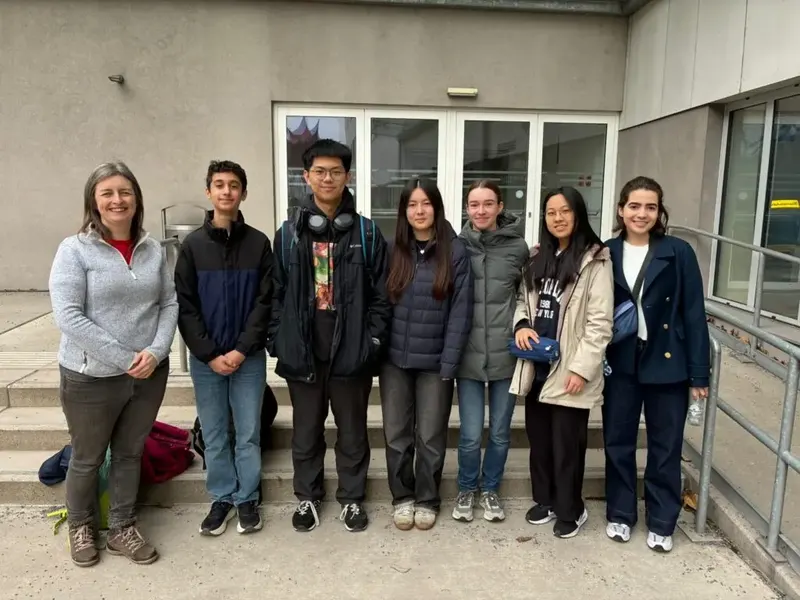
The British School of Brussels is the largest and most academically credentialled of the English-medium schools in Brussels. Sitting in Tervuren on a purpose-built campus, it runs the British National Curriculum from Nursery through Year 9, then gives students the choice of A-Levels, the IB Diploma, or BTEC at post-16. That three-way choice at sixth form is genuinely unusual: very few international schools offer A-Levels, IB, and BTEC under the same roof. The IB Diploma average was 35.4 in 2025, in the top 1% of IB schools worldwide. A-Level pass rates are published at 99%+.
Around 1,300 students from 65+ nationalities. Non-profit structure. Annual fees run from EUR 20,100 (Kindergarten) to EUR 45,550 (Years 10-13), with a one-time application fee of EUR 750. At the upper end of the Brussels market, though the results justify it. Families arriving mid-year find it a reliable choice: the pastoral system is well-regarded by parents who've been through it, and children integrating from other British-curriculum schools find the transition smooth.
The Tervuren location is relevant to where you live. The school runs buses from across the Brussels area, but if you are in central Brussels or the west of the city, you are looking at a 40-minute bus ride each way. Most families who choose BSB end up living in Tervuren itself, Wezembeek-Oppem, or Ixelles.
International School of Brussels
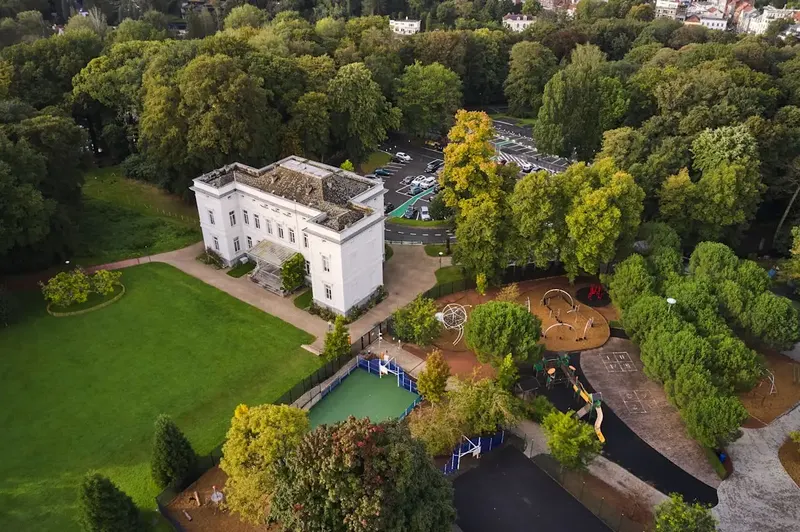
International School of Brussels is the oldest English-medium international school in Belgium, founded in 1951, and the most American-flavoured of the main schools. Set on a campus in Watermael-Boitsfort in the south of the city, it offers the IB continuum from age 2 through to 18, running PYP, MYP, and Diploma, and is not affiliated with any religion or nationality. The IB Diploma average in 2025 was 35 points.
Around 1,350 students from 60+ countries. Annual fees run from EUR 22,590 (Preschool) to EUR 49,715 (Grades 10-12), plus a one-time application fee of EUR 2,000. Accredited by CIS and MSA. The campus is well-resourced, the community diverse, and it has a strong track record of placing students at North American and UK universities. Families on US corporate packages gravitate here. The Watermael-Boitsfort location is pleasant - a leafy commune that borders the Forêt de Soignes - and the school is accessible from Ixelles, Uccle, and the south of the city without too much effort.
Waiting lists at ISB are real, particularly at entry to Grade 1 and Grade 6. Contact admissions well in advance.
St. John's International School

St. John's International School is the only international school in Belgium with boarding, and the only school in the country offering the full IB continuum from PYP through to Diploma across a single 12-acre campus in Waterloo. Around 500 students from 50+ nationalities. IB Diploma average was 35.7 in 2025, the highest of any Brussels-area school.
Annual fees run from EUR 14,200 (Early Years) to EUR 44,600 (Grades 10-12), with a EUR 1,700 one-time enrolment and development fee. Boarding is an additional cost and worth checking directly. St. John's tends to attract families who prefer a smaller, more contained environment over the scale of BSB or ISB. The Waterloo campus gives it a different feel from the city schools: green, spacious, and quieter. It suits families who are living south of Brussels, or those who specifically want boarding available as a back-up if travel schedules get complicated.
The Waterloo location is 25-30 minutes from central Brussels in normal traffic, stretching to 45-50 minutes in morning rush hour. Families based in the city tend to weigh this carefully.
Bogaerts International School

Bogaerts International School is a meaningfully more affordable IB Continuum school, with fees running from EUR 12,050 (Early Years) to EUR 24,050 (IB Diploma). Around 550 students from 50+ nationalities across two campuses: the main South Campus in Uccle on the Domaine Latour de Freins - 8.8 hectares of parkland, one of the better outdoor settings of any Brussels school - and a North Campus in Diegem near NATO, which serves families based north of the city or travelling frequently through Zaventem airport.
The IB is the only curriculum on offer. Results are not prominently published, which parents on the school circuit tend to raise when comparing with BSB and ISB. The school is worth a serious look for families on self-funded packages or those who find the EUR 40,000-EUR 50,000/year fees at the top schools hard to justify. The Uccle campus in particular has a calm, unhurried feel that families with younger children describe positively.
Montgomery International School
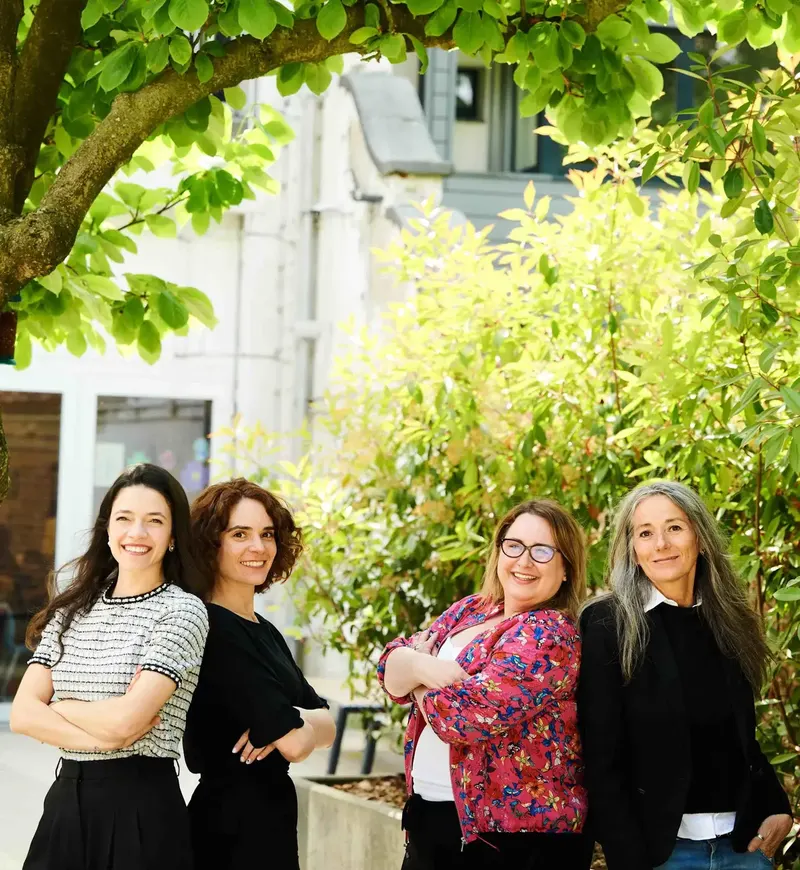
Montgomery International School is a small bilingual school operating out of a converted 1907 hotel de Maitre near the Montgomery metro, in the heart of the European Quarter. English and French are used throughout, across the full IB continuum (PYP, MYP, and Diploma). Around 200 students, which makes it one of the smallest IB Diploma providers in Brussels. The results are strong: 100% IB pass rate for seven consecutive years as of 2025, with a Diploma average of 34 points.
Annual fees run from EUR 26,000 (Grades 1-5) to EUR 33,750 (Grade 12). The central location near Montgomery metro and the Cinquantenaire park is an advantage if you are living in Ixelles, Etterbeek, or the EU Quarter. The school suits families who want genuine bilingual development and a smaller community where teachers know every student. The trade-off is limited space, fewer co-curricular options than a larger campus, and a cohort that is small enough for social dynamics to be more pronounced if a child is struggling.
ISF Waterloo International School
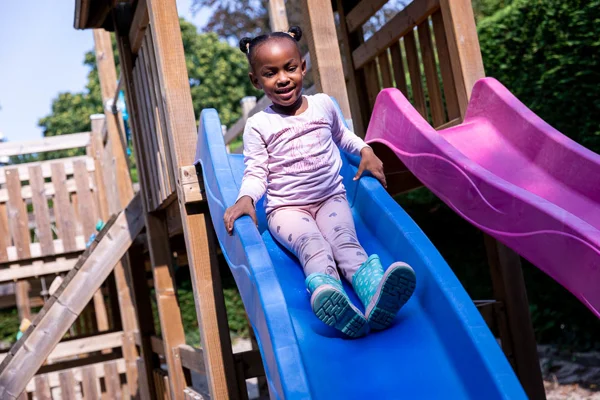
ISF Waterloo International School is a British-curriculum school in Rhode-Saint-Genese on the Waterloo road, offering education from Pre-School through International A-Levels for children aged 2.5 to 18. Around 300 students. Annual fees run from EUR 14,020 (Pre-School) to EUR 23,980 (A-Levels). CIS, BSO, and COBIS accredited.
ISF is the primary option for families living in or around Waterloo who want a British curriculum without making the journey up to Tervuren for BSB. Class sizes are small, EAL support is available across all year groups, and the school has a deliberately personal feel. It does not have the academic track record or the resources of BSB, but families who live south and want continuity through A-Levels find it a practical, well-run option. For families considering St. John's in Waterloo, ISF is worth including in the comparison - it is considerably less expensive and significantly smaller.
BEPS International School
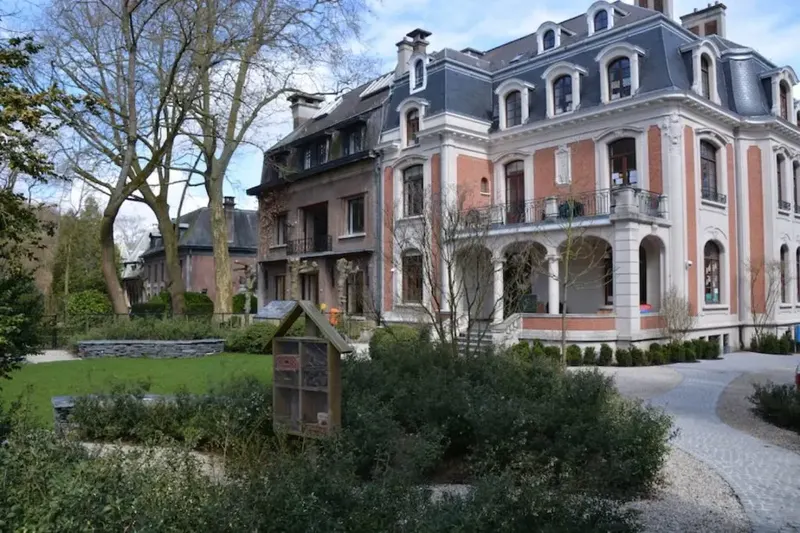
BEPS International School sits near the Bois de la Cambre in Uccle, close to the ULB campus, and runs the full IB continuum including the IB Career-related Programme, which is unusual in Brussels. Around 300 students from 50+ nationalities, with class sizes capped at 18. Annual fees range from EUR 20,300 (Early Years) at corporate tariff up to EUR 36,590 (IB Diploma/CP), with private tariff fees available on request. NEASC accreditation was reviewed in 2025-26.
The Career-related Programme alongside the academic Diploma is a differentiator for families with students who have a clear vocational or professional direction. The Uccle location is well-placed for families living in the south of Brussels. BEPS tends to come up when families are weighing up ISB and find the ISB waiting list too uncertain, or when they want the Uccle location specifically.
A note on the British Junior Academy of Brussels
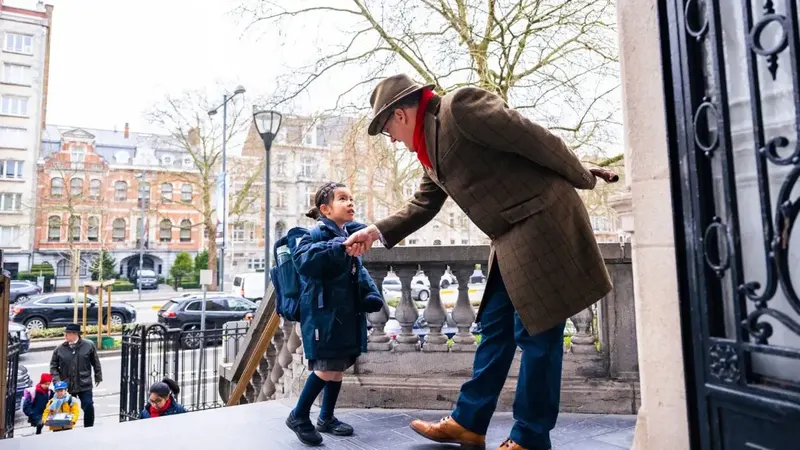
BJAB in Etterbeek runs the British National Curriculum from Reception through Year 11 (IGCSE). Around 300 students, with fees from EUR 17,800 (Kindergarten) to EUR 28,322 (Years 9-11) including books, IT equipment, sports, and swimming. It is an IB candidate school planning to offer the Diploma from August 2026.
BJAB is the central Brussels option for families who want a British curriculum and proximity to the EU Quarter. The central location in Etterbeek works well for families living in Brussels without a car or with parents commuting into the city. The school is smaller than BSB and does not yet have the sixth form track record to compare on outcomes, but families who've been here a few years cite the pastoral culture and smaller community as reasons they chose it over the Tervuren alternative.
IB results in context
The global IB Diploma average in 2025 was 30.5. Brussels's leading schools are consistently above that. For reference:
| School | 2025 IB average |
|---|---|
| St. John's International School | 35.7 |
| The British School of Brussels | 35.4 |
| International School of Brussels | 35.0 |
| Montgomery International School | 34.0 |
Source: school-published data. St. John's, BSB, and ISB figures are from published 2025 results.
Where people live
Brussels has a compact but geographically layered international family community. School geography does pull people into clusters, but the city is small enough that living in one zone does not lock you out of schools in another.
Tervuren and Wezembeek-Oppem
The natural home for families choosing BSB, and one of the most popular residential areas for international families full stop. Tervuren is a Flemish municipality about 15 km east of the city centre, close to the Forêt de Soignes. Large houses, gardens, a strong international community, good quality of life, and a direct road connection into the EU Quarter. Rents for a four-bedroom family house run approximately EUR 3,000-EUR 5,000/month. The school bus journey is short or eliminable. The trade-off is the journey into central Brussels: the Tervuren tram (line 44) gets you to Montgomery in around 35-40 minutes, but driving in rush hour is frustrating on the E40/Ring.
Ixelles and Etterbeek
The most popular urban option, particularly for families who want city living, cultural proximity to the EU Quarter, and access to multiple schools. Ixelles has good restaurants, walkable streets, and a noticeably international community in the streets around Avenue Louise and the Chatelain area. Etterbeek is slightly quieter and more residential. Apartments are the norm: a three-bedroom in Ixelles runs EUR 2,000-EUR 3,500/month. Montgomery International School is walking distance for many families here. ISB and BSB are both reachable by school bus. If neither parent is school-run-dependent, this is the most flexible base in the city.
Uccle and Forest
A sprawling commune in the south of Brussels, ranging from dense urban streets near the Parvis de Saint-Gilles to the near-suburban feel around the Bois de la Cambre and Dieweg. Very popular with international families. Bogaerts's Uccle campus and BEPS are both here. ISB in Watermael-Boitsfort is a short drive south. Housing ranges from apartments on busy streets to large villas on the quiet roads around the Dieweg cemetery and Forêt de Soignes. A four-bedroom house in upper Uccle runs EUR 3,000-EUR 5,500/month. Feels more Belgian than the EU Quarter without being inconvenient.
Watermael-Boitsfort and Auderghem
Quieter, greener, more residential than Ixelles or Uccle. ISB is in Watermael-Boitsfort, which makes this the obvious base for families choosing that school. Auderghem borders it to the east. Family houses with gardens are more accessible here than in Uccle or Ixelles: EUR 2,500-EUR 4,500/month for a decent four-bedroom. Not as well connected by public transport as the more central communes, but car-dependent families find it comfortable and very liveable.
Waterloo
A separate municipality to the south of the city, technically in Wallonia, about 25 km from central Brussels. Popular with British and American families who prioritise space, garden, and a lower-density environment over city proximity. St. John's and ISF Waterloo are both here. Dreve Richelle and the surrounding roads have large detached houses at rents that would be considerably higher in Brussels proper: EUR 2,500-EUR 4,500/month for a four-to-five-bedroom house. The commute into Brussels is 30-45 minutes by car depending on time of day; there is also a train service from Waterloo station into Brussels-Central, though families with school-age children mostly drive. If your workplace is in the south or you are regularly travelling through Brussels-South/Midi station, Waterloo is more practical than it looks on a map.
The EU Quarter and Central Brussels
Some families, particularly those on shorter postings or without the school-run constraints, live in the EU Quarter around Schuman and Arts-Loi, or in central Brussels near Place Sainte-Catherine or Sablon. Montgomery is accessible from here by metro. Other schools require a bus or drive. Apartment living, higher density, less garden, but good access to Belgian life and restaurants.
Practical notes
Registering: You must register at your local commune within eight days of arriving. Take your passport, your lease or property documents, and expect to wait. The commune sends an official to verify your address before issuing your residency certificate. For non-EU nationals the process includes a biometrics appointment for your residence card. HR departments at EU institutions handle most of this for EU staff. Everyone else benefits from a good relocation agent.
Healthcare: Belgium has a social security system (mutualité/mutualiteit) that covers much of the resident population. To access it you need to be registered and affiliated with a mutual health fund (mutualité). Private medical insurance is worth having alongside it for faster specialist access and English-speaking practitioners. Most of the international schools can recommend English-speaking GPs. The Cliniques Saint-Luc and UZ Brussel are the two main university hospitals; Saint-Luc (in Woluwé-Saint-Lambert) has a strong international patient department.
Schools admin for EU staff: If you are coming on an EU posting, your institution's HR will typically provide a letter confirming your Category I status for the European Schools, along with a points allocation that determines which campus you can access. This process has its own timeline - start it before you arrive. Category I places are not unlimited at every campus; there is some allocation management each year.
Cost of living: Brussels is considerably cheaper than London, Paris, or Zurich. A family of four in the south of the city, with a car, private health insurance, and eating out once or twice a week, should budget EUR 4,500-EUR 6,500/month before school fees. Groceries at standard supermarkets (Colruyt, Delhaize) are reasonable. Belgian beer and food are genuinely good. Eating out is affordable by the standards of major European capitals.
Transport: The public transport network (STIB in the Brussels Region, De Lijn in Flanders) covers the city well by bus, metro, and tram. Tram line 44 from Montgomery to Tervuren is a useful route for BSB families. Most families living in the suburban communes south and east of the city also keep a car. Cycling is popular and improving; the network of cycle paths has expanded considerably in recent years.
FAQs
Which Brussels international schools have the best IB results? St. John's International School in Waterloo averaged 35.7 in 2025, the highest in the Brussels area. The British School of Brussels averaged 35.4 and ISB averaged 35.0. All three are well above the global average of 30.5. Montgomery International School, though much smaller, has maintained a 100% IB pass rate for seven consecutive years with an average of 34.
Can my child attend a European School if I don't work for the EU? Possibly, but with caveats. Category III fee-paying places do exist at the Brussels campuses, at fees of around EUR 18,000-EUR 30,000/year. Availability varies by campus, year group, and year. EEB1 in Uccle has historically been the most oversubscribed. Contact the Office of the Secretary-General of the European Schools directly to understand availability for your child's year and preferred campus. Do not assume a place will be available.
Is the British School of Brussels or ISB a better choice? They suit different families. BSB runs the British curriculum through Year 9 and then offers A-Levels, IB, or BTEC. If your children are in the British system and you intend to return to the UK, or if A-Levels are important to you, BSB is the more natural fit. ISB runs the full IB continuum from age 2 in a more American-flavoured environment. If you are targeting US universities or have children already in the IB system, ISB is worth prioritising. Both are non-profit, well-resourced, and produce strong results. The campus locations are different: BSB in Tervuren (east), ISB in Watermael-Boitsfort (south).
How early should I apply? For BSB and ISB, a year in advance is not excessive for the most competitive entry points (Nursery/Preschool, Year 7, and IB entry at Year 12). Six months before your intended start date is a realistic minimum. St. John's is typically somewhat less pressured given its location, but entry at Diploma year is worth enquiring early. If your company is handling the relocation, ask HR to contact schools as soon as your posting is confirmed, even before a start date is fixed.
Are there good international schools in Brussels outside the top fee bracket? Yes. Bogaerts International School runs the full IB continuum with fees from EUR 12,050 to EUR 24,050, roughly half the cost of BSB or ISB. ISF Waterloo is a British-curriculum school with fees from EUR 14,020. BJAB in Etterbeek is below EUR 29,000 at the top of the age range and includes books and IT equipment. These are not second-tier schools in terms of care or teaching quality; they have smaller resources and less published outcome data, but they serve international families well.
Do I need to live near the school? Not necessarily. Most of the main schools run bus services covering a reasonably wide geographic area. The city is compact enough that living in Ixelles and choosing BSB in Tervuren, or living in Uccle and choosing ISB in Watermael-Boitsfort, is manageable on the school bus. Where the geography matters more is if you are driving the school run yourself: the Tervuren road and the Ring can be slow during rush hour. Families in Waterloo choosing BSB face a longer journey. Think about it, but do not let it dominate the decision at the expense of the right school.
Fees correct as of May 2026. Exchange rate: approximately USD 1.12 per EUR 1 (indicative for context). We work hard to make every figure, date and description on this page accurate. We don't always get it right. If you spot an error - a fee that's changed, a fact that's out of date, something we've got wrong - please tell us. Use the feedback button above or email us directly. We'll check it and update the article.