Notes / Beijing
Best International Schools in Beijing: The 2026 Guide for Families
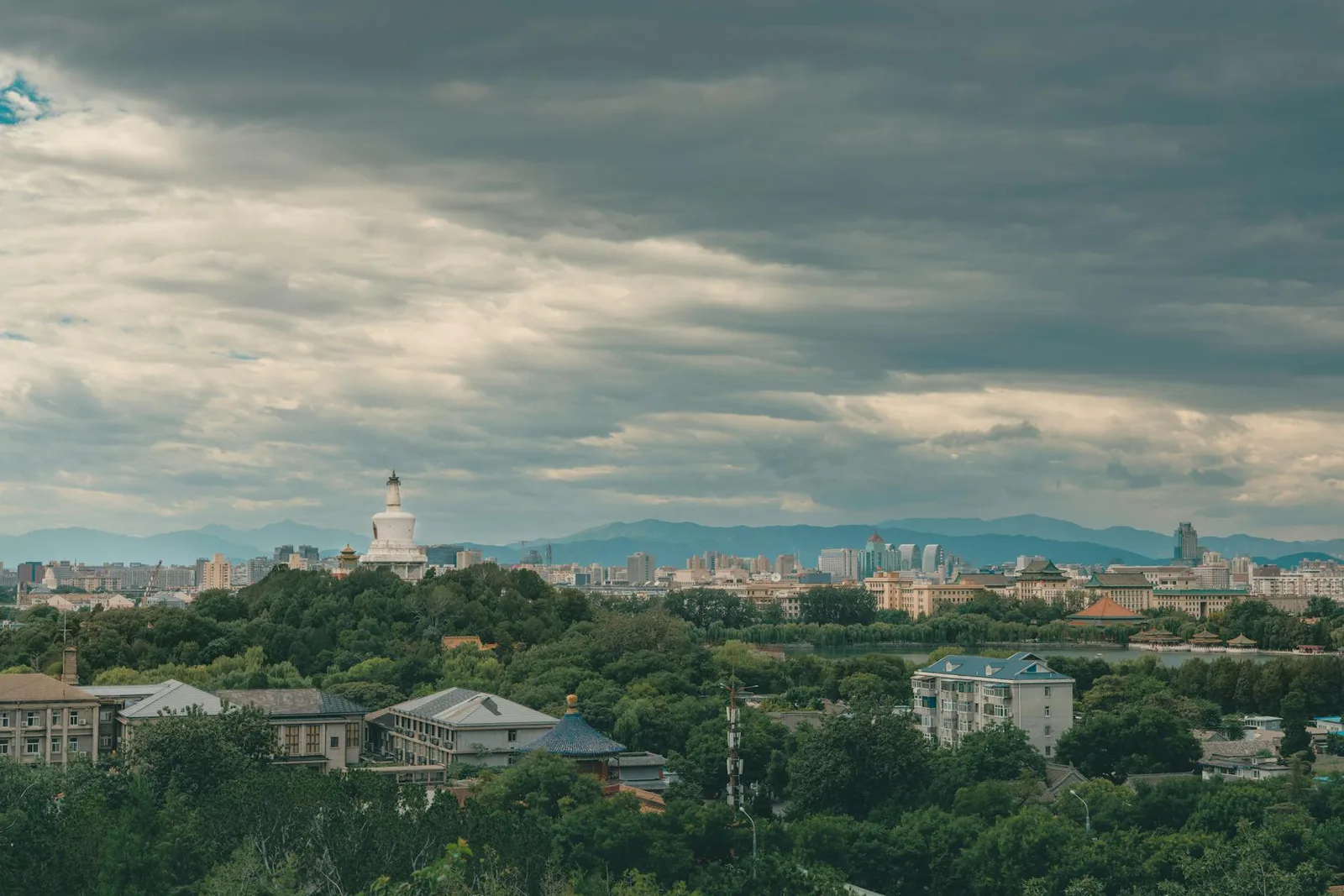
Beijing is the most expensive international school market in mainland China. The top schools produce genuinely strong results and are mostly concentrated in Shunyi, northeast of the city, where the majority of expat families live.
Comparison table
| School | Curriculum | Ages | Fees range (USD) | Notes |
|---|---|---|---|---|
| Dulwich College Beijing | IB, British, Cambridge | 3-18 | 33,793–51,448 | Shunyi |
| International School of Beijing | IB | 3-18 | 21,490–49,903 | Shunyi |
| Keystone Academy | IB, American | 5-18 | 15,207–44,683 | Shunyi |
| Western Academy of Beijing | IB, American | 3-18 | 20,414–52,483 | Chaoyang |
| The British School of Beijing, Shunyi | IB, British, Cambridge | 18 months - 18 | 22,759–49,807 | Shunyi |
| Beijing City International School | IB | 2-18 | 33,655–48,138 | Chaoyang |
| Harrow International School Beijing | British | 2-18 | 31,531–49,186 | Chaoyang |
| Yew Chung International School of Beijing | IB, British, Cambridge | 2-18 | 18,897–46,069 | Chaoyang |
Fees converted to USD at indicative 2026 rates. Verify current figures with each school.
TL;DR
- IB dominates. Almost every school in Beijing either runs the full IB continuum or offers IB Diploma at sixth form. The top schools score well above the world average of 30.5.
- Shunyi district (northeast Beijing) is where most expat families live and where most of the large international schools are located. Chaoyang has a smaller cluster for families based in the CBD or embassy area.
- Fees are the highest in mainland China: roughly USD 20,000 to USD 52,000 per year. Most schools add a one-off capital levy on top.
- Visa and residency rules in China mean most international schools are legally restricted to foreign passport holders. Confirm your family's eligibility before applying.
- Air quality in Beijing remains a real concern. Most established schools have air filtration across their campuses, worth asking about it.
The city
Beijing is a large, dense, functioning capital city. It is not the easiest posting for new arrivals, but the international community is well established, especially in Shunyi and the Chaoyang embassy district. The expat infrastructure in those areas is genuine: international supermarkets, Western-style healthcare, English-speaking services, and a solid social scene for families.
The language barrier is more significant than in Singapore, Hong Kong, or Dubai. Outside the international bubble, Mandarin is essential. For daily admin, school communication, healthcare, and anything involving the government, you will want either Mandarin or a reliable fixer. Most international schools can point you to English-speaking paediatric clinics and general practitioners, but building a support network before you arrive makes the first few months much easier.
Air quality is not a theoretical concern. Beijing experiences significant pollution events, particularly in autumn and winter. The established international schools have indoor air filtration across classrooms and sports facilities, which matters for families with children who have respiratory conditions, or simply for peace of mind. Ask any school you visit how they handle red and orange AQI days, and what their outdoor activity policy looks like in practice.
China's regulatory environment for international schools is specific. Understand it before you arrive. Schools accredited to take foreign-passport students are distinct from bilingual schools (which mix Chinese and foreign students) and Chinese private schools with an international track. Most of the schools covered here are restricted to foreign-passport holders by law. A small number, including Keystone Academy, accept a mix of nationalities but operate under different rules. If any member of your household holds a Chinese passport, your options narrow. Contact schools directly to confirm eligibility for your specific family situation.
The schools
Dulwich College Beijing
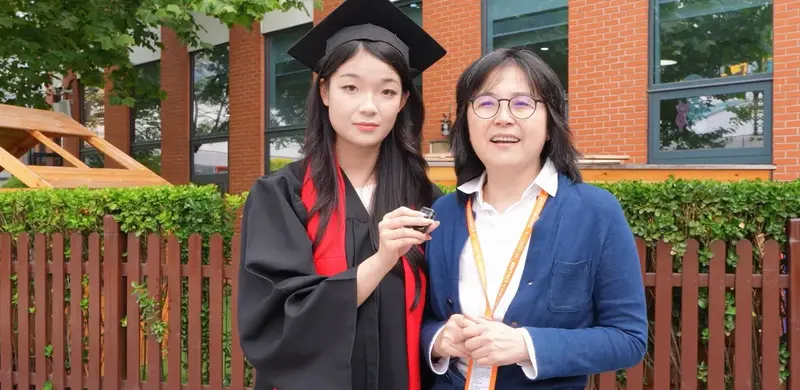
Dulwich College Beijing is the highest IB-scoring school in China. Its 2025 IB Diploma average of 38.6 across a 100% pass rate is exceptional and reflects a selective, academically intensive culture. The school follows British IGCSE through Key Stage 4 and offers IB Diploma at sixth form, with A-levels added from August 2025 as an additional pathway. Located in Shunyi on a well-resourced campus.
It is a 1,610-student school covering ages 3 to 18. The academic bar is high and the environment is purposefully competitive by Beijing international school standards. If your child thrives in that kind of setting and your aim is UK or top global universities, Dulwich is the strongest academic option in the city. Fees run USD 34,000 to USD 51,000 per year.
International School of Beijing

International School of Beijing is the city's longest-established international school and has consistently ranked at the top of surveys of Beijing expat families. It runs the full IB continuum (PYP, MYP, and Diploma) on a 32-acre Shunyi campus with around 1,809 students and open Diploma enrolment. Its 2025 IB Diploma average was 35.4 with a 100% pass rate.
The campus is large and well equipped. Because it takes a broad range of students through open Diploma enrolment, the 35.4 average is arguably more representative of the student body than selective schools. Families on corporate packages and those who move frequently tend to find it a natural fit. Fees run USD 21,000 to USD 49,000 per year.
Keystone Academy
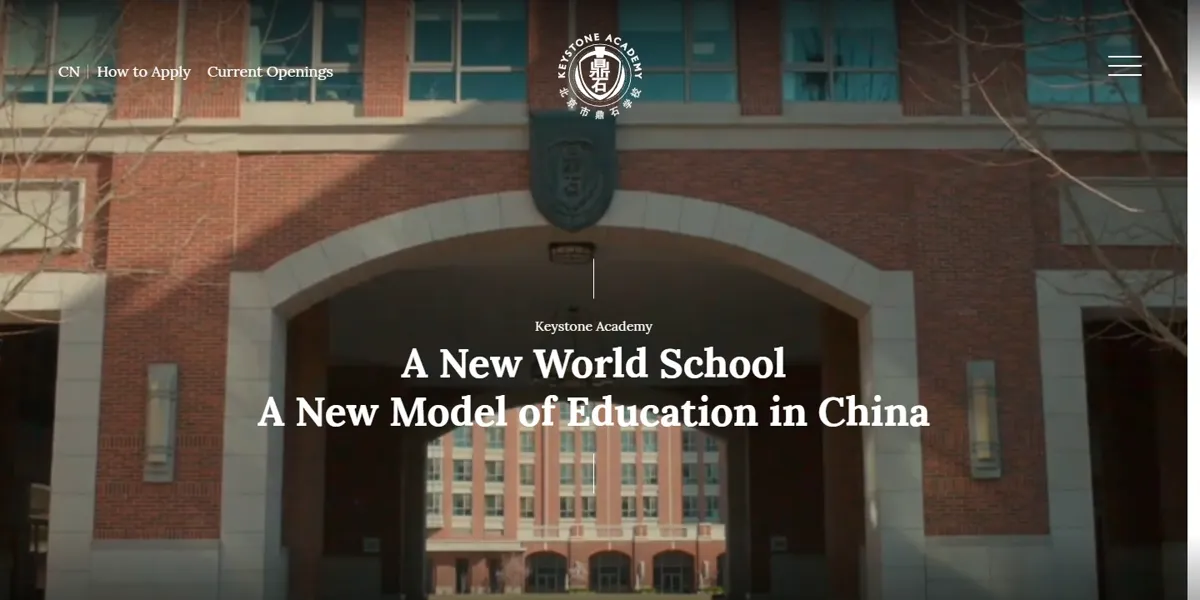
Keystone Academy is genuinely different from every other school on this list. It is Beijing's only school built around a mandatory Chinese Thread: all students, regardless of passport, engage with Chinese language, history, and culture as a core part of the curriculum. It accepts both foreign-passport and Chinese-passport students, which makes it one of the very few schools in Beijing where expat and local families genuinely mix. It runs IB and American pathways alongside the Chinese Thread, with boarding available from Grade 9.
Its 2025 IB average was 36 across 101 open-entry candidates, a strong result for a school that does not select purely for academics at entry. Located in Shunyi. Fees run USD 40,000 to USD 60,000 per year and it is among the most expensive options in the city. If raising genuinely bilingual children and building cross-cultural understanding is a priority for your family, Keystone is the obvious school to look at first.
Western Academy of Beijing
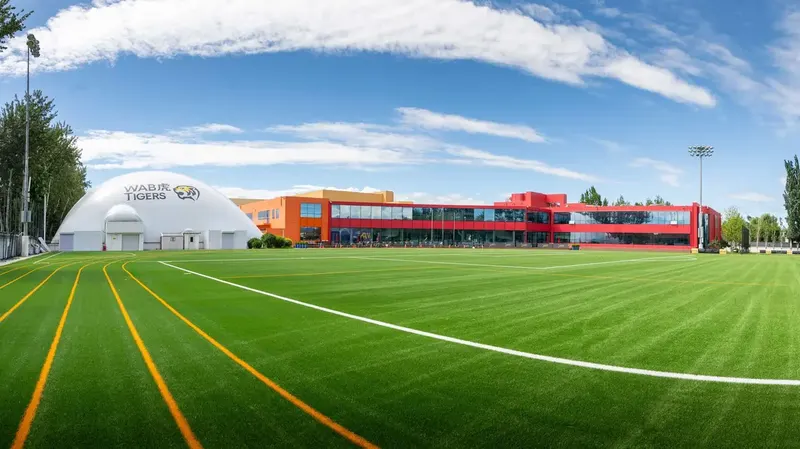
Western Academy of Beijing is a non-profit IB school in Chaoyang, consistently named China's most internationally diverse school. Its constitutional cap of 20% per nationality means no single national group dominates the community. Around 1,319 students from ages 3 to 18, with open IB enrolment. The 2025 IB Diploma average was 30.6, broadly in line with the world average, reflecting the genuinely open admissions approach rather than any weakness in the programme.
It has been named China's Most Innovative International School five years running in the KingLead rankings. For families who value a diverse, non-competitive international environment and are based in or near the CBD, Western Academy is the main alternative to the Shunyi cluster. Fees run USD 20,000 to USD 52,000 per year.
The British School of Beijing, Shunyi
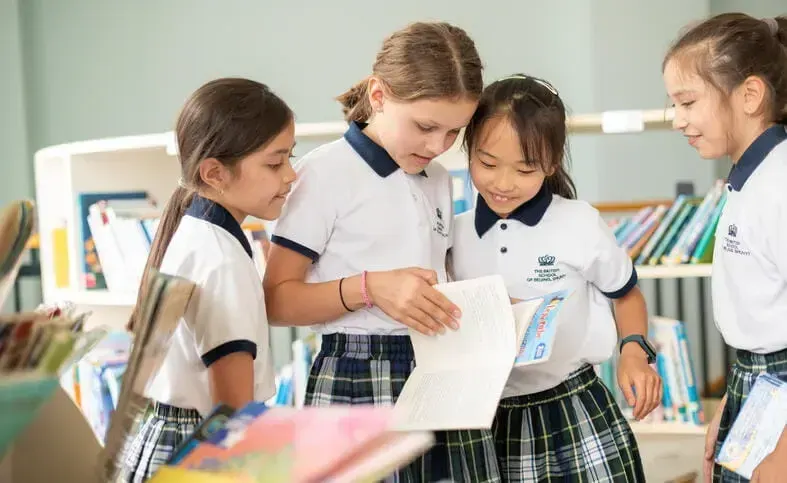
The British School of Beijing, Shunyi is the largest Nord Anglia school in Beijing and one of the most popular international schools in the city overall. It offers the British National Curriculum, IGCSE, and IB Diploma from 18 months to Year 13, with an optional German Primary programme for native German-speaking families. Around 1,100 students.
In 2025, 79% of university offers went to QS Top 100 institutions, with 24 Russell Group offers. It is not the highest scorer academically, but it is a well-run, well-resourced school with a strong track record on university placement. For British families on corporate packages who want a familiar curriculum and a large established community, it is typically one of the first schools to look at in Shunyi. Fees run USD 23,000 to USD 50,000 per year.
Beijing City International School
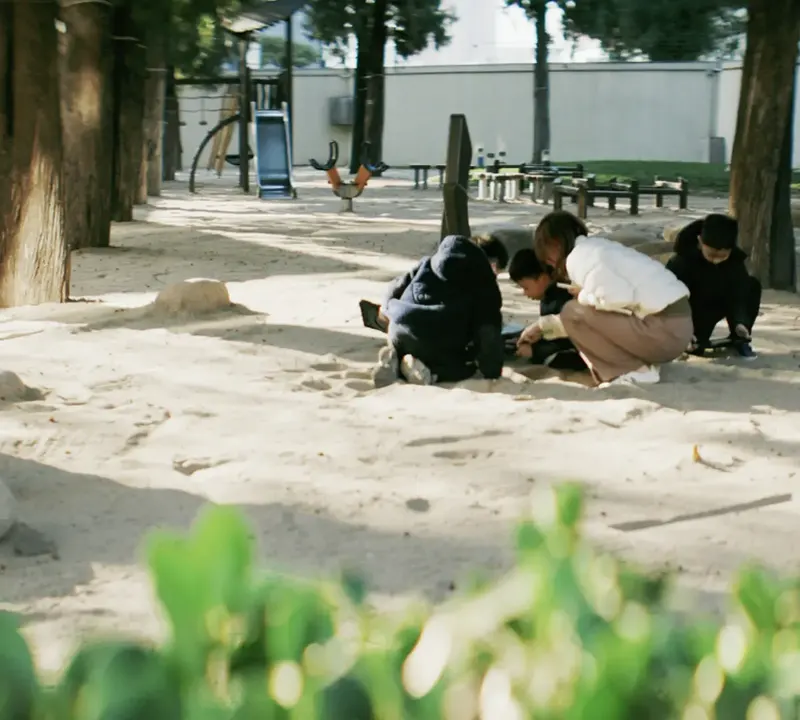
Beijing City International School is a non-profit, full IB continuum school in central Chaoyang, one of the few genuinely accessible international schools for families living in or near the CBD without commuting to Shunyi. Around 1,320 students from ages 2 to 18. The 2025 IB Diploma average was 34.0.
At Grade 11 to 12, the IDEATE pathway in arts, design, and technology gives students a distinct alternative to the standard Diploma. Fees run USD 34,000 to USD 47,000 per year. If your family is based in Chaoyang and you want a full-pipeline IB school with a non-profit ethos, it is the strongest option in that part of the city.
Harrow International School Beijing
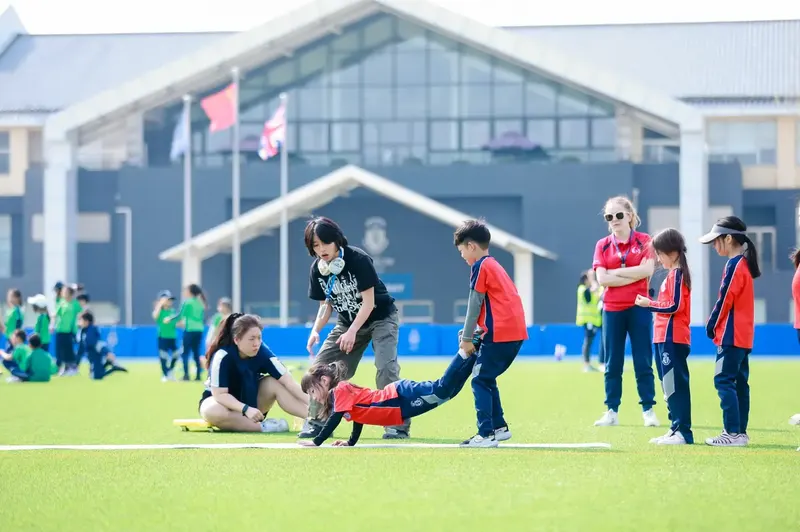
Harrow International School Beijing is the only school in Beijing running GCSE/IGCSE and A-levels from Nursery through Year 13, making it the choice for families specifically targeting the A-level pathway rather than IB. Part of the AISL Harrow network alongside campuses in Bangkok, Hong Kong, and Shanghai. Around 880 students in Chaoyang.
Its exam results have been notable: the school's candidates recorded the highest IGCSE Mathematics score in the world in November 2025 and the highest A-Level Mathematics mark in China in 2025. For families on a UK curriculum track or targeting UK universities through A-levels, Harrow Beijing is the clearest option in the city. Fees run USD 32,000 to USD 49,000 per year.
Yew Chung International School of Beijing
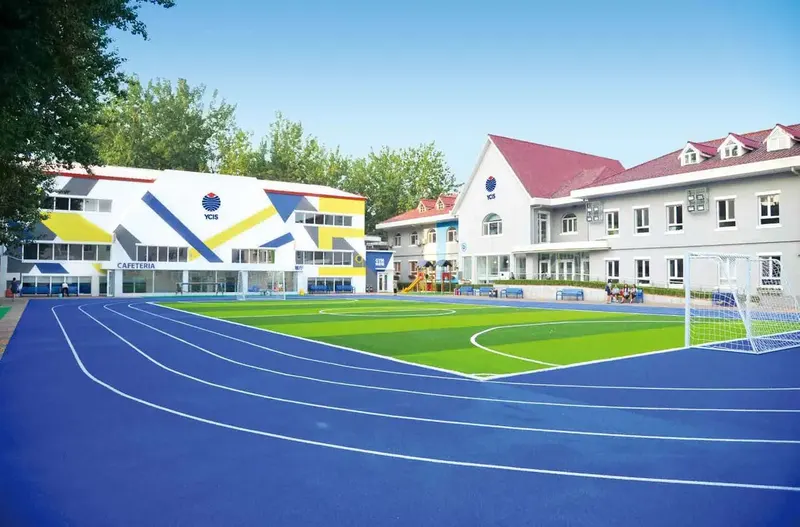
Yew Chung International School of Beijing is a smaller, genuinely bilingual English-Chinese school set in Honglingjin Park in central Chaoyang. Around 750 students from ages 2 to 18. It offers IB Diploma and IGCSE in a bilingual environment. The 2025 IB Diploma average was 34 with a 100% pass rate, and the school has maintained a 100% IB pass rate for 19 consecutive years. It is the only school in China to have received the Cambridge Award for Excellence in Education.
Fees run USD 19,000 to USD 46,000 per year, making it one of the more accessible options among the Chaoyang schools. If raising genuinely bilingual children matters and you want a smaller, calmer environment than the large Shunyi schools, Yew Chung deserves a serious look.
IB results in context
The global IB Diploma average in 2025 was 30.5. Beijing's leading schools are well above that. For reference:
| School | 2025 IB average |
|---|---|
| Dulwich College Beijing | 38.6 |
| Keystone Academy | 36.0 |
| International School of Beijing | 35.4 |
| Beijing City International School | 34.0 |
| Yew Chung International School | 34.0 |
| Western Academy of Beijing | 30.6 |
Note on methodology: Dulwich, Keystone, and ISB averages reflect open or near-open entry at Diploma level. Western Academy's 30.6 is explicitly open-entry. Results are not directly comparable between selective and non-selective schools, but all figures reflect the 2025 IB cohort.
Where people live
Shunyi
Shunyi is the default for most expat families in Beijing, and there are concrete reasons for that. The large international schools are here, the housing stock is purpose-built for families with generous garden space and room to breathe, and the expat community is well established. The district is northeast of the city, close to Capital Airport, which suits families where one parent travels regularly for work.
Housing in Shunyi is almost entirely villa and compound-based. A three or four-bedroom villa in one of the main international compounds (Yosemite, River Garden, Lido, Palm Springs, Riviera, Pinnacle) typically rents from CNY 25,000 to CNY 60,000 per month (roughly USD 3,400 to USD 8,200 at current rates). Compounds vary significantly in quality, age, and expat saturation. The newer developments closer to the airport tend to command the highest rents. Most compounds have swimming pools, gyms, tennis courts, and English-speaking management, which is genuinely useful when you first arrive.
The trade-off is the commute. Shunyi is about 25 to 40 kilometres northeast of central Beijing. The airport expressway and Fifth Ring Road connect it to the CBD, but in rush hour that journey can stretch to 90 minutes or more. Families where both parents work centrally will find the daily commute hard work. Those with one parent at home, or working in Shunyi or the airport corridor, generally find it manageable.
Chaoyang and the CBD
The Chaoyang district covers a large area from the Central Business District and Sanlitun embassy quarter out to the northeast. For families working centrally or in the diplomatic community, living in Chaoyang removes the Shunyi commute entirely. The trade-off is that the apartment stock is more urban, outdoor space is limited, and the schools on this side of the city are smaller. Western Academy, Harrow, Beijing City International School, Yew Chung, the British School Sanlitun (primary only), and Canadian International School are all based here.
A three-bedroom apartment in a serviced compound in Chaoyang typically rents from CNY 20,000 to CNY 45,000 per month (roughly USD 2,700 to USD 6,200). The area is well connected by metro (Lines 2, 4, 10, 14) and is significantly more central for eating out, culture, and maintaining any engagement with Beijing as a city rather than an expat suburb.
The British School of Beijing, Sanlitun is a primary-only option (up to Year 6) for families in this area, with a well-worn pathway to BSB Shunyi for secondary. It is genuinely useful for families who need a central location for the early years but expect to move into Shunyi by the time secondary starts.
A note on Haidian and other areas
Some families end up in Haidian in the northwest of the city, particularly those working at one of the universities or technology companies based there. The international school choice is limited from that base. The commute to Shunyi schools is long and without a direct route. If you are based in Haidian, factor the school question in carefully before deciding where to live.
Practical notes
Eligibility: Most Beijing international schools are legally restricted to foreign-passport holders. This is a hard constraint, not a guideline. If any member of your household holds a Chinese passport, contact schools directly before making any assumptions about places. Keystone Academy is the main exception but operates under a different framework.
Enrolment fees and levies: Fee lists from Beijing schools almost always show tuition only. Most schools charge a one-off enrolment or capital levy ranging from USD 2,000 to USD 10,000 or more on top of annual tuition. Confirm the full entry cost, not just the headline tuition figure, before comparing schools.
Air quality: All the schools covered here have indoor air filtration across teaching spaces and sports halls. Ask schools specifically about their outdoor activity protocols on high pollution days, and whether the school's filtration has been independently tested. The US Embassy in Beijing publishes real-time AQI data and many families track it. It is not a reason to avoid Beijing, but it is a genuine consideration for children with asthma or respiratory conditions.
Healthcare: Beijing has international hospitals and clinics with English-speaking staff. Beijing United Family Hospital and the International SOS Medical Clinics are the most used by the expat community. Private international health insurance is standard for expat packages and strongly advisable. The public system is not set up for non-Mandarin speakers at the point of need.
Getting set up: Your employer or a relocation agent will typically handle the initial visa and residence permit process. The main document you need is the Residence Permit (Z visa to work visa, converting to a residence permit). Schools will need this before they can formally confirm a place. Start the process as early as possible; the Chinese administrative system is not slow, but the document chain is long.
Language: Mandarin is not optional if you intend to live a full life in Beijing rather than an entirely bubble-based one. Most of the international schools offer Mandarin as a curriculum subject, and several have genuine Chinese immersion options. For parents, investing in basic conversational Mandarin before or immediately after arriving makes daily life substantially easier.
FAQs
Which Beijing international school has the best IB results? Dulwich College Beijing recorded the highest IB Diploma average in China in 2025 at 38.6, with a 100% pass rate. Keystone Academy followed at 36.0 across 101 open-entry candidates, and the International School of Beijing recorded 35.4 with a 100% pass rate. The global IB average in 2025 was 30.5.
Are Beijing international schools open to all nationalities? Most schools in Beijing are legally restricted to foreign-passport holders. This is a regulatory requirement, not a school policy. If any member of your household holds a Chinese passport, your options are more limited: contact schools individually to confirm eligibility. Keystone Academy is the main exception, accepting both foreign and Chinese-passport students, but under a different regulatory framework.
Do I need to live in Shunyi to access the best schools? Not necessarily, though most of the largest and most established schools are in Shunyi. Chaoyang has several strong options, including Western Academy of Beijing, Harrow, Beijing City International School, and Yew Chung. The key variable is where you or your partner works: the Shunyi-to-CBD commute is significant in rush hour, and many families find it easier to live close to the school rather than close to the office.
How much do Beijing international schools cost? Tuition fees for established international schools in Beijing run roughly USD 20,000 to USD 52,000 per year. Most schools also charge a one-off enrolment or capital levy, which can add USD 2,000 to USD 10,000 or more at entry. Beijing is the most expensive international school market in mainland China.
Is air quality a serious concern for children at school in Beijing? It is a real factor, not an exaggerated one. Beijing experiences significant air pollution events, particularly from October to March. All the established international schools covered here have indoor air filtration systems and have protocols for limiting outdoor activity on high-AQI days. For most healthy children it is manageable. For children with asthma or respiratory conditions, discuss it with the school and with your family doctor before accepting a posting.
How early should I apply for Beijing international schools? For entry in August/September 2026, the most popular schools in Shunyi tend to fill quickly at Foundation Stage, Year 7, and IB entry points. There is no single firm rule, but contacting schools four to six months before your intended start date is sensible. Some schools operate priority lists for children of current families, which can affect availability at popular year groups. Do not assume a place will be available on arrival.
Is there a good American-curriculum school in Beijing? Western Academy of Beijing runs an American-influenced curriculum alongside IB. Keystone Academy includes an American pathway alongside IB and the Chinese Thread. AISB-Hope International is a smaller, dedicated American-curriculum school in east Chaoyang with class sizes of six to twelve students and over 20 AP courses, suited to families who want an intimate American school environment.
Fees correct as of May 2026. Exchange rate references are indicative. We work hard to make every figure, date, and description on this page accurate. We don't always get it right. If you spot an error, a fee that has changed, or something we have got wrong, please tell us using the feedback button above or by emailing us directly. We will check it and update the article.